




The Golden Wisdom in Our Kitchens
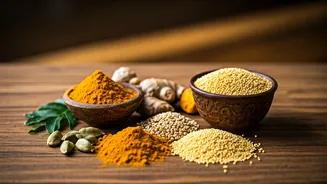
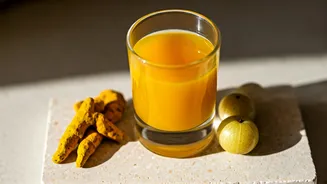
For generations, the Indian kitchen has doubled as a family pharmacy. Spices weren't just for flavour; they were for healing. At the heart of this is turmeric, or 'haldi'. Every time a grandmother insisted on a glass of warm haldi-doodh for a cough or a paste
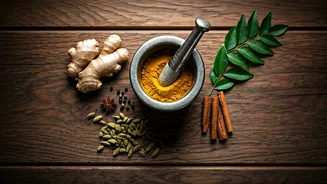
on a scraped knee, she was dispensing potent medicine. Today, science is catching up. The active compound in turmeric, curcumin, is a powerful anti-inflammatory and antioxidant. Modern research has validated its role in boosting immunity, aiding digestion, and even protecting against chronic diseases. The traditional practice of adding black pepper (which contains piperine) to turmeric-based dishes is now understood to increase curcumin's bioavailability by up to 2,000%. It’s a perfect example of ancient culinary intuition being confirmed by peer-reviewed studies. What was once dismissed as an 'old wives' tale' is now sold in expensive supplement capsules worldwide, but the original, most effective version has been in our spice boxes all along.
The Return of Ghee
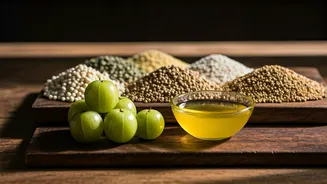
Few ingredients have had a more dramatic journey than ghee. For decades, this clarified butter was demonised, branded as an unhealthy saturated fat responsible for heart disease and weight gain. Families who had used it for centuries began switching to refined vegetable oils, believing they were making a healthier choice. But now, the pendulum is swinging back. Nutrition science has evolved, recognising that not all fats are created equal. High-quality, pure ghee is rich in fat-soluble vitamins like A, E, and D. It has a high smoke point, making it a stable cooking fat that doesn't break down into harmful free radicals. It’s a source of butyric acid, a short-chain fatty acid that is vital for gut health. Nutritionists and wellness experts are now championing ghee for its anti-inflammatory properties and its ability to aid digestion. Its comeback isn’t just about nostalgia; it’s a course correction, bringing our diets back in line with a balanced, holistic understanding of nutrition that our ancestors instinctively understood.
Living in Tune with Nature's Clock
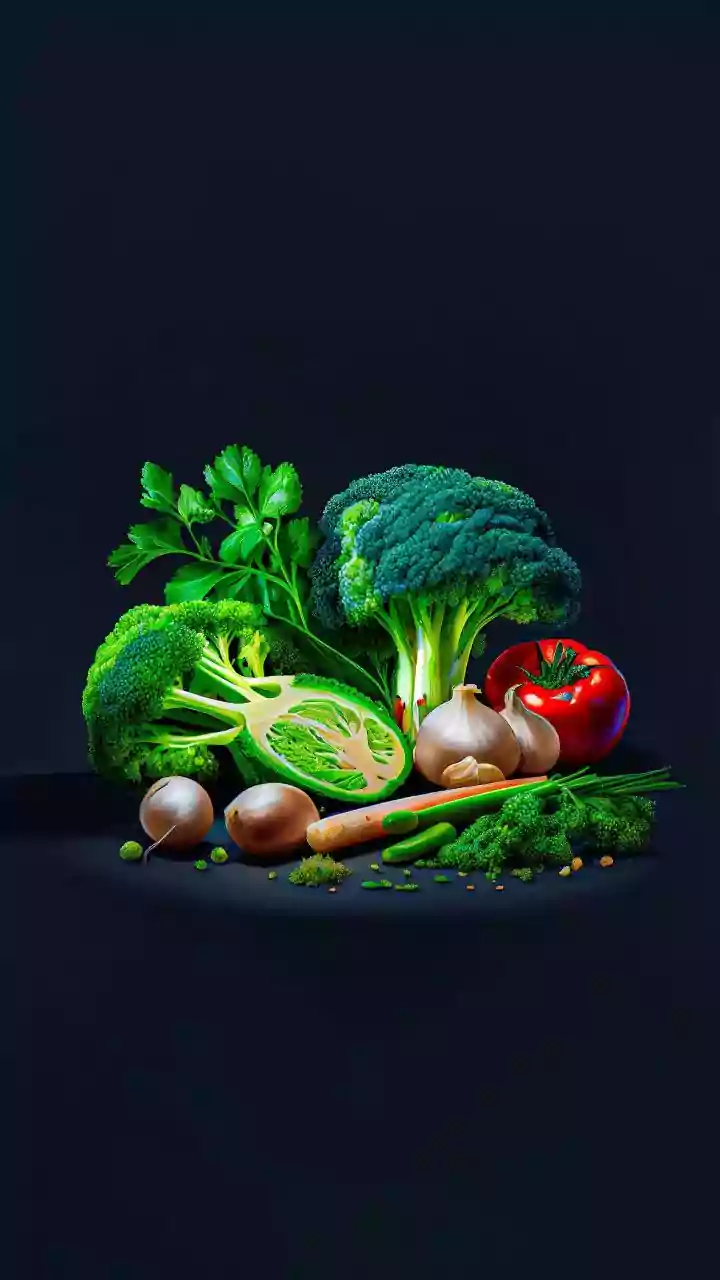
The modern concept of 'eating local and seasonal' sounds like a trendy slogan, but it's the core principle of 'Ritu-charya' — an ancient Ayurvedic guide to living in harmony with the seasons. Our grandparents didn't eat mangoes in winter or cauliflower in summer. They ate what the land provided at that specific time of year, and this practice was deeply rooted in health logic. Foods that grow in a particular season are naturally designed to provide the nutrients our bodies need to cope with that season's challenges. Cooling cucumbers and melons in the summer help hydrate the body, while nutrient-dense root vegetables and warming spices in the winter provide energy and boost immunity. This approach not only ensures peak freshness and nutrient content but also supports a healthy gut microbiome by providing dietary diversity. By ignoring the seasons and demanding every type of produce year-round, we’ve lost this intuitive connection between our diet and our environment. The revival of seasonal eating is a return to a more sustainable and intelligent way of nourishing ourselves.
More Than Just a Stretch
Yoga is perhaps India's most famous cultural export, but for a long time, its global perception was limited to complex physical postures (asanas) — a form of exotic exercise. However, the tradition itself is a holistic science of well-being that integrates mind, body, and breath. Practices like Pranayama (breathing techniques) and Dhyana (meditation) are just as crucial as the physical poses. The deep, rhythmic breathing of pranayama is now scientifically proven to calm the nervous system, reduce stress hormones like cortisol, and improve cardiovascular function. Meditation's benefits for mental clarity, focus, and emotional regulation are extensively documented. These traditions survived for millennia not because they made people flexible, but because they offered a complete toolkit for managing the stresses of life and achieving inner balance. As the world grapples with a mental health crisis, these ancient mind-body practices are being recognised not as a workout, but as essential tools for modern survival.