
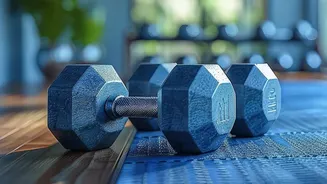
The Rise of 'Exercise Snacking'
For many, the idea of a workout conjures images of long, gruelling sessions at the gym. This all-or-nothing mindset can be a major barrier, especially when juggling work, family, and daily life. A growing body of research is challenging this notion with
a concept called “exercise snacking.” This approach involves breaking up physical activity into very short, manageable bursts performed throughout the day. Instead of one 60-minute workout, you might do a few minutes of activity several times. The evidence suggests these mini-workouts, particularly when they replace periods of sitting, can offer meaningful health benefits and interrupt the negative effects of a sedentary lifestyle.
How Brief is 'Brief'?
When researchers talk about brief workouts, they mean it. These “snacks” can be as short as 20 seconds to a few minutes. The key isn’t the duration of a single session, but the consistency and intensity. For strength training, this could mean one intense set of an exercise pushed to your limit. Studies have highlighted the effectiveness of workouts lasting just 15-20 minutes, performed a few times a week. Another major study pointed to a longevity “sweet spot” of about 90 minutes of strength training per week, which could be broken down into six 15-minute sessions. This makes the goal of getting stronger feel much more achievable and easier to slot into a busy schedule.
More Than Just Building Muscle
The benefits of these short bouts of strength work go far beyond aesthetics. Research consistently shows that regular strength training is linked to a lower risk of premature death from all causes, including heart disease and cancer. Just 30 to 60 minutes a week can lower mortality risk by 10% to 20%. These brief workouts improve how your body manages blood sugar, which is crucial for preventing type 2 diabetes. They also contribute to stronger bones, better balance, and improved brain health, potentially protecting against age-related cognitive decline. For older adults, this can translate directly to better functional strength for daily tasks and a higher quality of life.
Putting It Into Practice
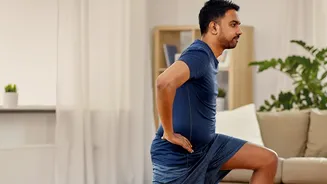
Incorporating brief strength workouts doesn't require a gym membership or fancy equipment. The goal is to make it as easy as possible to be consistent. You can use your own body weight for highly effective exercises like squats, push-ups, lunges, and planks. Resistance bands are another inexpensive and versatile tool. Try a “workout snack” during your workday: when you get up to grab water, do a set of 10-15 squats. Waiting for the kettle to boil? Hold a plank for 30 seconds. The strategy is to anchor these mini-workouts to existing daily habits. By starting with just one or two short sessions a day, you can build momentum without feeling overwhelmed.
Managing Your Expectations
While the evidence is compelling, it's important to have realistic expectations. Brief workouts are an incredible tool for improving general health, building functional strength, and maintaining consistency. They are particularly beneficial for people who are currently inactive, providing a low barrier to entry. However, if you have specific, high-level performance goals, such as running a marathon or competing in bodybuilding, these “snacks” should be seen as a supplement to, not a complete replacement for, a more structured and comprehensive training program. The primary victory of the brief workout is that it gets you moving consistently, which is always better than doing nothing at all.