





A New Trail in an Avian Paradise
To promote eco-tourism and awareness, a ‘Rainforest Birding Trail’ initiative at the Biological Park in Chidiya Tapu, South Andaman, is capturing the imagination of travellers. Located just 25-30 km from Port Blair, Chidiya Tapu, which translates to ‘Bird
Island’, has long been a haven for birdwatchers. This area combines lush evergreen forests, coastal habitats, and mangrove creeks, creating a rich tapestry of ecosystems. The focus on a specific trail here encourages visitors to delve deeper into one of India’s most unique natural landscapes, offering a chance to see a high concentration of the islands' famed birdlife up close.
Why the Andamans Are a Birder’s Dream
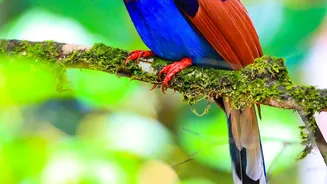
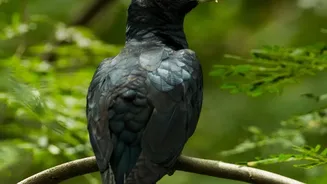
The Andaman and Nicobar archipelago is home to over 270 bird species, with a remarkable number of endemics—birds found nowhere else on Earth. Due to millennia of geographic isolation, many species have evolved into unique island variants. This makes the Andamans a globally significant hotspot for biodiversity. Key birding locations like Mount Harriet National Park and Chidiya Tapu in South Andaman offer access to this incredible avian wealth. Here, enthusiasts can spot sought-after species like the Andaman Woodpecker, Andaman Serpent Eagle, Andaman Crake, and the striking Andaman Wood Pigeon. The sheer diversity, from forest dwellers to coastal waders, makes every outing an adventure.
The Guide Makes the Experience
The launch of a guided trail experience highlights a critical factor in nature travel: the quality of your guide. A great guide does more than just lead you down a path; they interpret the forest's language. They can identify birds by a fleeting call, understand their behaviour, and know the exact fruiting tree a rare pigeon might be visiting. They are storytellers, conservationists, and field experts rolled into one. In contrast, an untrained guide might simply point out obvious sightings or, worse, engage in unethical practices like using recorded calls to lure birds, which can disrupt their natural behaviour. Choosing an experienced, local guide is often the difference between a superficial tour and a deeply enriching connection with the wilderness.
How to Spot a Quality Nature Guide
For travellers, especially those keen on birding, vetting your guide is essential. First, look for operators committed to eco-friendly practices. A professional guide will often be part of a recognized local tour association and have positive reviews from other naturalists and birders. During your initial conversation, ask specific questions. Do they know the endemic species? Do they talk about conservation and sticking to marked trails? A good sign is a guide who emphasizes quiet observation and patience. They should carry field guides and high-quality binoculars, not just rely on memory. Most importantly, a passionate guide’s primary goal is to foster an appreciation for nature while ensuring its protection, not just ticking off a checklist of sightings for a tip.
An Investment in Responsible Travel
Choosing a knowledgeable and ethical guide is an act of responsible tourism. It supports the local economy and provides an incentive for communities to protect their natural heritage. When you hire an expert who respects wildlife, you are contributing to a sustainable model that helps preserve the fragile ecosystems of the Andamans for future generations. This approach transforms your trip from a simple holiday into a meaningful contribution. The new focus on the Chidiya Tapu trail is more than an invitation to see birds; it's a reminder that how we choose to see them matters just as much.