

Why Origin Is Your First Clue to Quality
Just like with wine, a tea's character is profoundly shaped by its 'terroir'—the unique combination of soil, climate, altitude, and local environment where it is grown. This is why teas from specific regions have such distinct and sought-after flavour
profiles. A Darjeeling tea, for instance, grown in the cool Himalayan foothills, will have a light, floral, and muscatel character that is impossible to replicate in the warm, humid lowlands of Assam, known for its bold and malty teas. The origin tells you a story about the tea's potential taste. High-altitude teas often grow slower, concentrating their flavours and aromas, resulting in a more complex and nuanced cup. Knowing if your tea is from a specific, named estate versus a generic regional blend can also be a strong indicator of quality and traceability.
Decoding the Ingredients List
The ingredient list is where you can separate a truly special tea from a mediocre one. For pure teas, the list should be simple: just tea from the Camellia sinensis plant. Be aware of blended teas, which can be fantastic, but require a closer look at what has been added. The term "natural flavours" can be particularly vague. These are derived from natural sources but can be chemically altered, whereas real inclusions like dried fruit pieces, flower petals, or whole spices offer a more authentic and gradual release of flavour. According to FSSAI guidelines in India, anything labelled 'tea' must come from the Camellia sinensis plant, and flavoured teas have limits on the percentage of flavouring that can be added. Also, watch out for hidden sugars or artificial sweeteners, which are sometimes used to mask lower-quality tea leaves.
Beware of Adulteration and Poor Quality
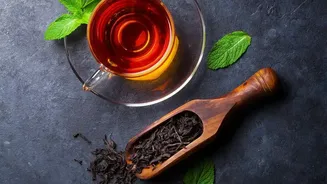
Unfortunately, the booming tea market has also led to issues with adulteration. Low-grade teas are sometimes mixed with colourants to make them appear more vibrant, or bulked up with non-tea materials like sawdust or even previously used tea leaves that have been dried and re-coloured. The Food Safety and Standards Authority of India (FSSAI) has strict rules against adding colour to tea, as it is not on the list of approved food items for such additives. While reputable brands are generally safe, being a vigilant consumer is always wise. A high-quality speciality tea should have whole, identifiable leaves, not broken bits and dust. It should have a fresh, pleasant aroma specific to its type—grassy for a green tea, malty for a black tea. Any chemical or musty smells are a red flag.
The Language of Labels: Flushes and Grades
Speciality tea labels often contain terms that can tell you a lot about the contents. "Flush" refers to the harvesting season. A "First Flush" is the year's first harvest, typically in early spring, yielding leaves that are tender, delicate, and highly prized for their fresh, floral notes. A "Second Flush," harvested later, generally produces a more full-bodied and robust flavour. You might also see grading terms like FTGFOP (Finest Tippy Golden Flowery Orange Pekoe), which indicates a very high-quality tea made from the top bud and two youngest leaves. While the grading system is complex, seeing such specific information on the label usually signals a higher-quality, single-batch tea where care has been taken.
Certifications That Offer Peace of Mind
For an extra layer of assurance, look for certifications. 'Organic' seals (like the USDA or India Organic logos) indicate the tea was grown without synthetic pesticides or fertilizers. 'Fair Trade' certification ensures that the farmers and workers who produced the tea were paid a fair price and work in decent conditions. The 'Rainforest Alliance' certification focuses on environmental sustainability, biodiversity, and the well-being of tea-growing communities. While not all great small-batch teas will have these certifications due to cost, their presence on a package provides a verifiable promise of certain ethical and environmental standards being met.