





Your Pre-Drive Vehicle Check is Non-Negotiable
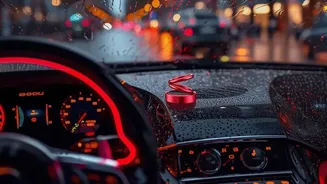
Before you even think of starting your journey, a thorough vehicle inspection is critical. Your life depends on it. Start with the basics: your tyres. Ensure they have a tread depth of at least 3mm for adequate grip on wet roads. Next, check all your lights
– headlights, tail-lights, indicators, and especially fog lamps. Visibility is severely hampered at night during a downpour, and functioning lights are essential for seeing and being seen. Also, inspect your wiper blades; if they leave streaks, replace them immediately. Top up all essential fluids, including engine oil, coolant, brake fluid, and windshield washer fluid. Finally, test your battery. A weak battery is more likely to fail in damp conditions, and getting stranded in a ghat at night is a dangerous situation.
Master the Art of 'Slow and Steady'
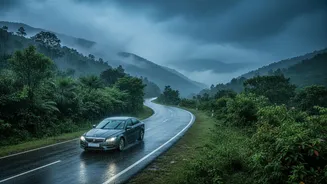
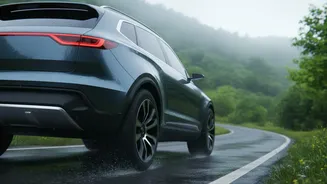
Ghat roads are challenging on a clear day; at night during the monsoon, they are treacherous. Speed is your enemy. Wet roads can increase your braking distance by up to 50%, so reduce your speed significantly. Maintain a much larger gap between you and the vehicle in front—a 4-5 second gap is advisable. This gives you more time to react to sudden stops or hazards hidden by the rain and darkness. Avoid any sudden movements, whether it's abrupt braking, sharp steering, or sudden acceleration, as these can easily cause your vehicle to skid and lose control on slippery surfaces. Remember, the goal is not to reach quickly, but to reach safely.
Navigate Hairpin Bends with Extreme Caution
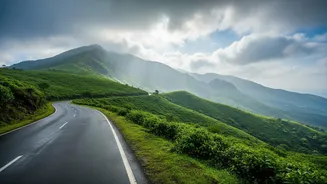
Hairpin bends are the signature feature of ghat roads and require special attention. Never attempt to overtake on a bend, no matter how slow the vehicle in front is. Your view of oncoming traffic is completely blocked. It’s better to shift down to a lower gear (second or third) before entering the turn. This gives you better control and engine braking, reducing reliance on your main brakes, which can be less effective when wet. Honk lightly before entering a blind curve to alert any potential oncoming traffic, a common practice in the hills that saves lives. When stopping on an incline, make effective use of your handbrake to prevent the car from rolling back.
Be Vigilant for Landslide Warning Signs
Landslides are a significant and deadly risk in the ghats during the monsoon. While driving, stay alert for any warning signs. This includes unusual sounds like rocks rolling or trees cracking. Pay attention to the road surface; new cracks or bulging ground can be indicators of instability. Be especially wary in areas known to be prone to landslides. Before you leave, always check the weather forecast and local advisories for any landslide warnings for your planned route. If you notice signs of a potential landslide, do not proceed. It is always better to turn back or wait for authorities to declare the road safe.
Tackling Waterlogged Patches Safely
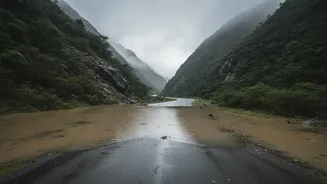
You may encounter stretches of road covered in water. If you are unsure of the depth, do not attempt to drive through it. Puddles can hide deep potholes or other debris. If you must proceed, do so slowly and steadily in a low gear to create a bow wave in front of your car. Try to keep your engine's RPMs consistent but not excessively high, as this can increase the risk of water being sucked into the engine. After clearing the water, gently tap your brakes a few times to help dry the components and ensure they are working effectively.
When in Doubt, Pull Over and Wait
There is no shame in admitting the conditions are too dangerous. If the rain becomes a torrential downpour and visibility drops to near zero, the safest action is to pull over and wait for the weather to improve. Find a safe spot to stop, well away from any steep slopes or areas that look susceptible to landslides. Avoid stopping on narrow turns or blocking the road. Once stopped, turn on your hazard lights to ensure other drivers can see your stationary vehicle. Driving in such conditions is not a test of courage. It's always better to arrive late than to not arrive at all.
Pack an Emergency Kit
Hope for the best, but prepare for the worst. An emergency kit is a must-have for overnight monsoon drives in the ghats. Your kit should include a powerful flashlight, a first-aid kit, a tow rope, jumper cables, and a portable tyre inflator. Also pack extra food, water, and a fully charged power bank for your phone. Given the poor connectivity in many ghat sections, having downloadable offline maps is also a wise precaution. These simple items can be invaluable if you get stranded due to a breakdown, puncture, or road blockage.