
The Smart Cadence: Why Twice-Weekly Wins
Cooking for an entire week in one go is a big commitment. A twice-weekly schedule—say, Sunday and Wednesday—breaks the work into smaller, less overwhelming sessions. This approach not only keeps your food fresher but also allows for more variety, preventing
palate fatigue. Instead of prepping seven identical lunches, you can cook two or three different meals per session, giving you a rotating menu. This rhythm also means food spends less time in the fridge before being eaten, generally staying within the recommended 3-4 day window for leftovers.
Choose Your Containers Wisely
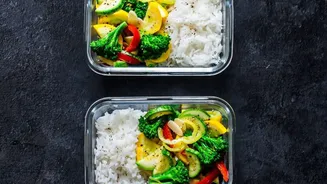
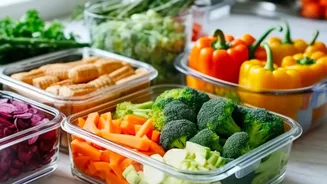
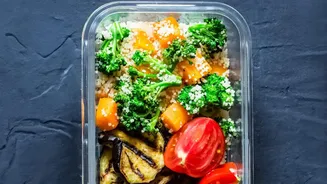
The right containers are essential for effective portioning. Glass containers are a popular choice because they don't stain or retain odours and can often go from the fridge to the microwave or oven. However, they can be heavy. High-quality, BPA-free plastic is lighter and more portable. Stainless steel is durable but cannot be used in the microwave. For maximum efficiency, look for containers with secure, leak-proof lids that are also stackable to save precious fridge space. Divided containers are excellent for keeping meal components like a main, a grain, and a vegetable separate, preserving their individual textures and flavours.
The Critical Cooling-Down Period
One of the most crucial food safety steps is cooling your food properly before it goes into the fridge. Placing a large, hot pot of food directly into the refrigerator can create a food safety risk, as the food will cool too slowly, allowing bacteria to grow. The recommended method is to divide large batches of cooked food into smaller, shallow containers no more than two inches deep. This increases the surface area and allows the food to cool down much faster. Let the containers sit on the counter until they stop steaming, then seal them and move them to the fridge. Never leave food at room temperature for more than two hours.
The Art of Smart Portioning
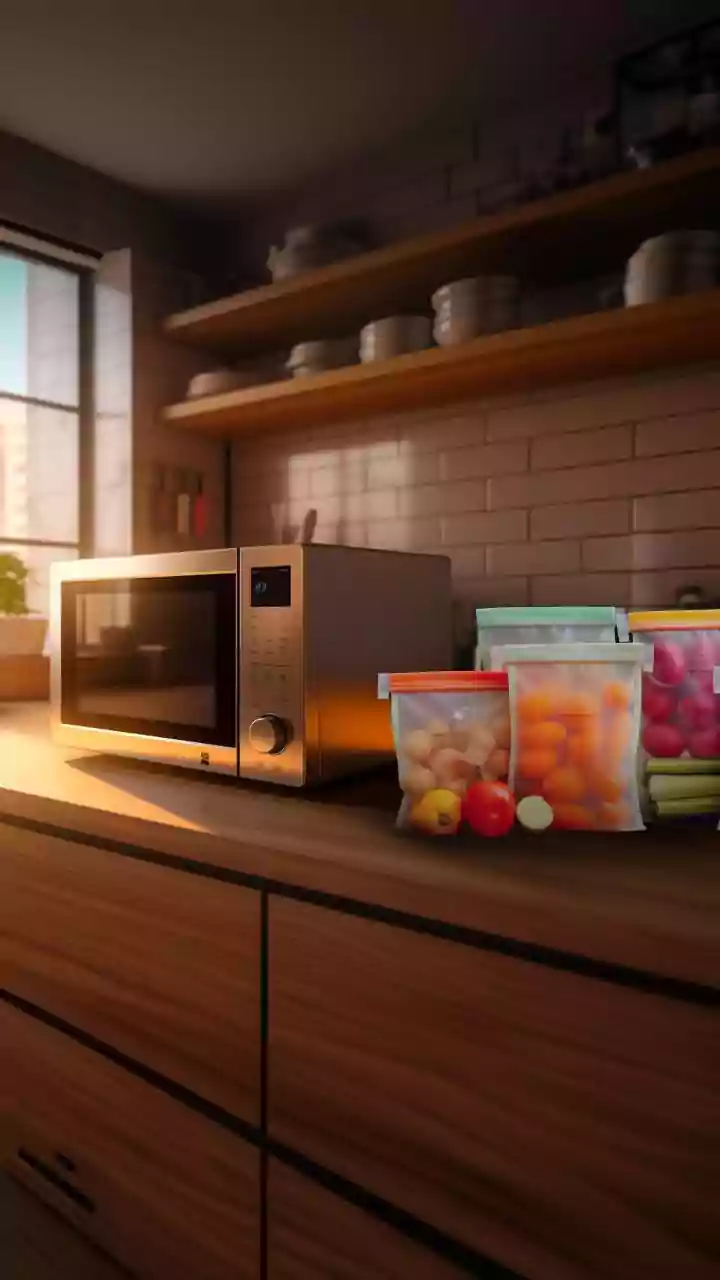
Portioning isn't just about dividing food equally; it's about creating convenient, ready-to_go meals. You have two main strategies: portioning complete meals or keeping components separate. Portioning complete meals into individual containers is perfect for grab_and_go lunches. Alternatively, you can store cooked components—like a large batch of grilled chicken, a container of quinoa, and roasted vegetables—separately. This 'mix_and_match' approach offers more flexibility, allowing you to assemble different combinations throughout the week to avoid meal boredom. No matter which method you choose, portioning your food as soon as it has cooled is more efficient than scooping from a large container every day.
Label and Organise Your Fridge
Once your meals are portioned, a simple organisational system will ensure nothing gets lost at the back of the fridge. Label every container with the contents and the date it was cooked. This eliminates guesswork and helps you follow the 'first_in, first_out' rule, where you eat the oldest meals first to minimise waste. Stack your containers neatly, with the meals you plan to eat sooner placed at the front for easy access. A tidy, well_organised fridge makes sticking to your meal plan effortless.