







The Surge in Island Curiosity
The past couple of years have seen an unprecedented spike in interest for Lakshadweep, transforming it from a niche diver's secret into a mainstream vacation goal. This surge was notably amplified by high-profile visits and social media buzz, leading
to a massive increase in search queries and travel inquiries. However, unlike many destinations that might quickly scale up to meet demand, Lakshadweep's administration has taken a decidedly cautious approach. The core of this strategy lies in a philosophy of sustainable, low-volume tourism designed to preserve the very beauty that draws visitors in the first place. This means that while interest is at an all-time high, getting there remains an intentionally measured and regulated process.
The Golden Ticket: Understanding the Entry Permit
The cornerstone of Lakshadweep's tourism policy is the mandatory entry permit. Every single non-resident, Indian or foreign, must secure one before travelling. For years, this process involved hurdles like finding a local sponsor or obtaining a Police Clearance Certificate (PCC) from one's home district. However, in a significant move in April and May 2026, the administration simplified these rules. Tourists no longer need a local sponsor or a pre-submitted PCC; background verification is now handled internally by the Lakshadweep Police after an application is submitted online via the ePermit portal. Applicants must apply at least 14 days in advance, specifying their travel dates and the exact islands they plan to visit. Visiting an island not listed on your permit is strictly forbidden, a rule that prevents uncontrolled island hopping.
Why Such Strict Controls? A Fragile Paradise
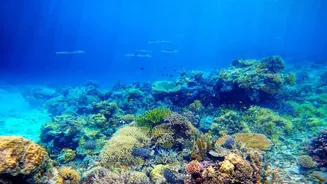
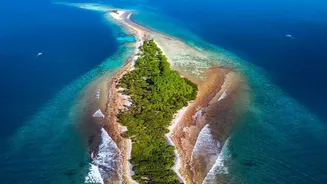
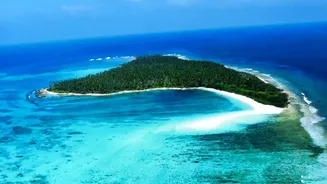
The strict regulations are not bureaucratic hurdles but essential conservation tools. Lakshadweep is an archipelago of 36 coral atolls, and its ecosystem is incredibly delicate. These islands have a limited carrying capacity, with critical challenges like freshwater scarcity, waste management, and the protection of their coral reefs. The coral systems, which are the main attraction, are vulnerable to bleaching from rising sea temperatures and physical damage from unchecked tourism. Furthermore, with very little landmass, the islands cannot support large-scale infrastructure without severe environmental consequences. By limiting the number of visitors and controlling where they go, the administration aims to prevent the kind of over-tourism that has damaged other coastal destinations. The rules are in place to protect the islands' ecology and the culture of the local communities.
Sustainability in Practice on the Islands
Beyond the permit system, Lakshadweep is actively promoting eco-tourism on the ground. Only a handful of its 36 islands are even open to tourists, including Agatti, Bangaram, Kadmat, and Kavaratti. Accommodation is limited, with fewer than 400 rooms available across the territory, preventing overcrowding. Many resorts are designed with sustainability in mind, utilizing solar power, rainwater harvesting, and robust waste management systems. Adventure sports like scuba diving and snorkeling are governed by strict guidelines to protect the marine environment. For instance, the number of divers is controlled, and operators educate tourists on responsible practices to avoid damaging the fragile coral. Even waste is a major concern, with growing efforts to manage single-use plastics and other refuse generated by the tourism and fishing industries.
The Path Forward: Development with a Conscience
Lakshadweep stands at a crossroads, balancing economic opportunity with ecological preservation. The government has identified the islands for development under its Swadesh Darshan 2.0 scheme, and major hospitality brands are investing in new properties, including luxury resorts on islands like Bangaram. However, this development is being framed within the context of sustainability. The focus is on eco-friendly infrastructure and community participation to ensure that the local population benefits from the tourism boom without sacrificing their environment or way of life. The introduction of new transit rules, limiting stays at gateway islands like Agatti to 12 hours, further reinforces the managed flow of tourists. The long-term vision is for Lakshadweep to serve as a model for sustainable island tourism, where economic growth and conservation are not seen as competing interests, but as two sides of the same coin.