






The E-Visa: Your Hassle-Free Entry Pass
The biggest game-changer for Indian tourists has been Oman's streamlined e-visa system. Gone are the days of complicated paperwork and long waits. Now, travellers can apply for a tourist visa entirely online through the official Royal Oman Police portal.
The process is straightforward: fill out the application, upload a passport scan and a photograph, and pay the fee. Approvals are often received via email within 24 to 48 hours. For most Indian travellers, the standard options are a 10-day single-entry visa for OMR 5 (approximately ₹1,100) or a 30-day visa for OMR 20 (around ₹4,400). This ease of access removes a major hurdle, making spontaneous or planned trips significantly easier. Additionally, Indian passport holders with a valid visa from the US, UK, Schengen Area, Canada, Australia, or Japan may be eligible for entry for up to 14 days without a separate Omani visa, further simplifying travel plans.
Budgeting Your Omani Adventure
Contrary to the perception of the Gulf being uniformly expensive, Oman offers remarkable value. Return flights from major Indian cities like Mumbai, Delhi, and Bengaluru can be found for between ₹15,000 and ₹25,000, especially if booked in advance. Accommodation options cater to all budgets, from guesthouses and budget hotels in cities like Muscat and Nizwa for ₹2,000–₹4,000 per night to unique desert camp experiences. A powerful budget-saving tip is camping, which is legal and safe in many of Oman's scenic public areas, including beaches and mountains. Food is another area where costs can be kept low. A delicious meal at a local Omani or Indian canteen, such as a large chicken biryani or shawarma, can cost as little as 1-2 OMR (₹220-₹440).
Beyond Muscat: A Land of Natural Wonders
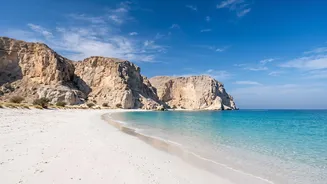
Oman's appeal extends far beyond its affordable cost. The country boasts a stunningly diverse landscape that sets it apart from its neighbours. In Muscat, you can explore the magnificent Sultan Qaboos Grand Mosque and wander through the historic Mutrah Souq, both of which are free to visit. Just a short drive from the capital, you'll find the Bimmah Sinkhole, a natural swimming pool with turquoise water that is also free to enter. For adventure seekers, the country is famous for its 'wadis'—riverbeds carved into mountains that create stunning oases. Wadi Shab, with its hidden waterfall, and Wadi Bani Khalid are popular choices for hiking and swimming. The vast, rolling dunes of the Sharqiya Sands (formerly Wahiba Sands) offer a classic desert experience, with options for overnight stays in Bedouin-style camps.
Getting Around Affordably
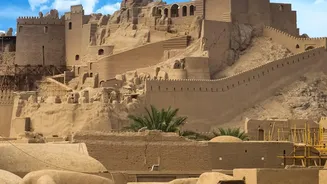
While Oman is best explored with a car, there are budget-friendly transport options. For travel between major cities like Muscat and Nizwa, the Mwasalat public bus service is reliable and inexpensive, with fares around 3 OMR (approximately ₹660). Within Muscat, ride-sharing apps are available, but for the most economical travel, using the local bus system for longer stretches and a taxi for the final connection is a smart strategy. For those comfortable with driving, renting a car can be cost-effective, especially for a group. Petrol prices in Oman are significantly lower than in India, making road trips an attractive option to explore the country's forts, coastline, and mountains at your own pace.
Practical Tips for Indian Travellers
A few tips can make your trip even smoother. The Omani Rial is a strong currency (1 OMR is roughly ₹220 as of late 2026), so it's wise to budget carefully. English is widely spoken in tourist areas, and with a large Indian expatriate community, Hindi is also commonly understood. The best time to visit is between October and April, when the weather is pleasant and ideal for outdoor activities. When visiting religious sites like the Sultan Qaboos Grand Mosque, remember to dress modestly, covering shoulders and knees, with women also needing a headscarf. With its blend of cultural richness, natural beauty, and newfound accessibility, Oman stands out as a compelling and rewarding destination.