








A New Era for Indian Railways
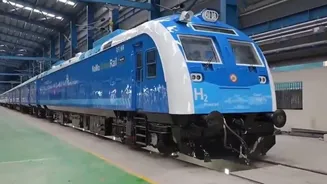
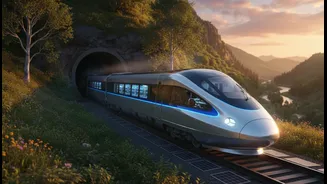
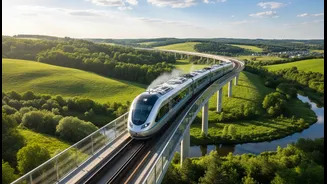
Indian Railways is on the verge of a significant milestone with the launch of the country's first-ever hydrogen-powered train. Prime Minister Narendra Modi is expected to inaugurate this pioneering service on July 17, 2026. The first train will operate
on the 89-kilometre Jind-Sonipat route in Haryana, marking a major step in India’s push for clean and sustainable public transport. After successful, extensive trials over the past few months, the train is ready for commercial operations, which will begin shortly after its official launch. This move positions India among a select group of nations, including Germany and China, that are harnessing hydrogen technology for their rail networks.
How Does a Hydrogen Train Work?
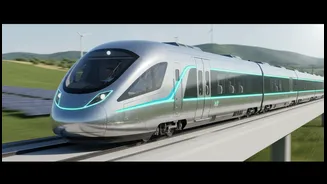
So, what exactly is a hydrogen train? Unlike conventional diesel trains that burn fossil fuels, a hydrogen train is essentially an electric train that generates its own power onboard. The technology relies on hydrogen fuel cells, which facilitate a chemical reaction between stored hydrogen and oxygen from the air. This process produces electricity to power the train's motors, with the only by-products being water vapour and a small amount of heat. This means there are zero carbon emissions, making it an exceptionally clean mode of transport. The train is a hybrid, also using lithium-ion batteries to support the propulsion system. Safety has been a priority, with the train equipped with numerous hydrogen leakage and fire detectors, along with advanced control systems.
The First Route and Future Plans
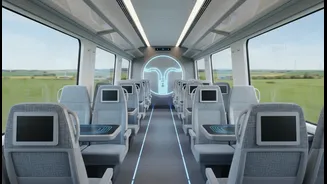
The inaugural service will run between Jind and Sonipat, with the train expected to make two round trips daily. While the train achieved impressive speeds of 120 km/h during testing, its operational speed on this route will be around 75 km/h. The ten-coach train is considered the world's longest hydrogen train on a broad-gauge network and can carry up to 2,600 passengers. To support this, a dedicated hydrogen production and refuelling facility has been constructed at Jind Junction. This pilot project is just the beginning. The successful implementation on the Jind-Sonipat line is seen as a crucial test case. If successful, Indian Railways plans to expand this technology, particularly on its iconic heritage routes. The long-term vision, part of the 'Hydrogen for Heritage' initiative, is to replace diesel-powered trains on scenic, and often ecologically sensitive, lines like the Kalka-Shimla Railway, Darjeeling Himalayan Railway, and Nilgiri Mountain Railway. This would make those weekend getaways and tourist journeys significantly greener.
More Than Just a Green Initiative
The introduction of hydrogen trains is a cornerstone of Indian Railways' ambitious goal to achieve net-zero carbon emissions by 2030. Beyond the environmental benefits, this project is a showcase of the 'Make in India' initiative. The train was designed by the Lucknow-based Research Designs and Standards Organisation (RDSO) and built at the Integral Coach Factory (ICF) in Chennai, demonstrating indigenous capability in developing advanced, eco-friendly rail technology. While the initial costs of producing hydrogen trains and the required infrastructure are high, they are expected to decrease as the technology becomes more widespread. By replacing diesel multiple units (DMUs), the railways stand to save significantly on fuel costs in the long run, while also drastically reducing air and noise pollution on some of the country's most beloved rail corridors.