



The Celestial Target: What is the Ring Nebula?
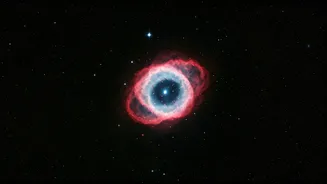
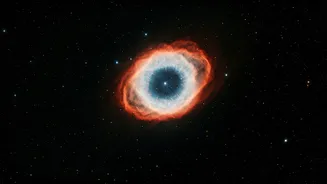
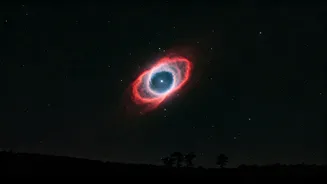
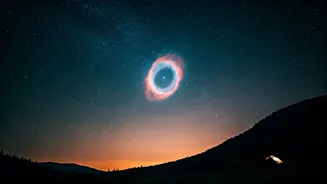
Before you pack your bags, let's talk about the star of the show: the Ring Nebula, also known to astronomers as Messier 57 (M57). Located about 2,300 light-years away in the constellation Lyra, this isn't a star but the glowing remains of one. Think of it
as a beautiful, smoke-ring-like ghost left behind by a sun-like star that ran out of fuel thousands of years ago. Through a good telescope, it appears as a delicate, colourful doughnut floating in the blackness of space. It’s a popular target for amateur astronomers because it’s relatively bright and has a distinct, unforgettable shape. Seeing it for yourself is a direct look into the life cycle of stars and the vast, dynamic nature of our cosmos.
Why Astronomy Camping is a Magical Experience
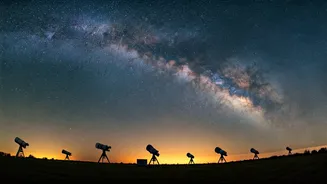
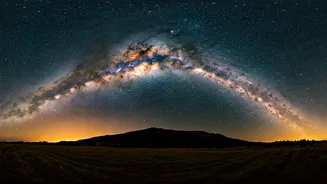
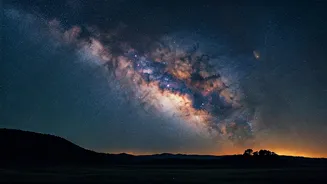
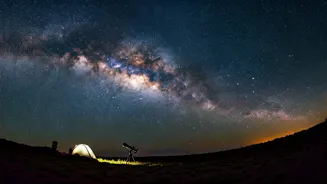
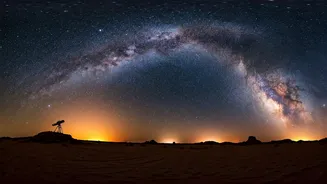
An astronomy camping trip is more than just a science lesson; it’s an immersive adventure. It combines the rustic charm of camping with the profound wonder of stargazing. The experience begins with escaping the city's light pollution, which washes out all but the brightest stars. In a designated dark-sky spot, the Milky Way arches overhead in its full glory. These trips, often led by amateur astronomers and experts, provide access to powerful telescopes you wouldn't otherwise use. They guide you through constellations, point out distant galaxies, and share stories behind the stars. It's a social experience, too—sharing 'wows' with fellow campers around a telescope creates a unique sense of connection.
Finding Your Dark Sky Haven in India
India has numerous spots perfect for stargazing, far from urban glare. Many astronomy groups in cities like Mumbai, Pune, and Delhi have identified ideal locations for their overnight camps. Near Mumbai and Pune, places like Naneghat, Dehene, Panshet, and Lonavala are popular choices. These sites in the Sahyadris offer high altitudes and minimal light interference. Around Delhi, campers head towards locations in Haryana, Rajasthan (like Sariska), or the foothills of Uttarakhand. The key is to find a place with a clear, wide horizon and as little artificial light as possible. Many tour operators like Stargazing Mumbai, Foliage Outdoors, and Travel Trikon regularly organise such events, making it easy for beginners to join.
What to Expect on a Guided Trip
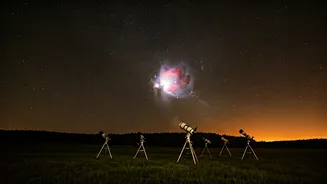
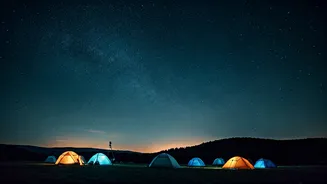
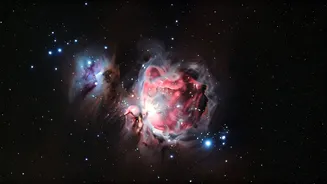
A typical overnight trip follows a well-planned itinerary. You'll usually arrive at the campsite in the late afternoon, set up your tent, and enjoy the sunset. As dusk settles, the organisers will conduct an introductory session, explaining the basics of the night sky and how to use the equipment. Once it's completely dark, the main event begins. Experts will align the telescopes to showcase key attractions—planets like Jupiter and Saturn, nebulae like the Orion or the Ring Nebula, and distant star clusters. You’ll get a chance to look through each one. Some sessions even include an introduction to astrophotography, teaching you how to capture the stars with your DSLR. The night is spent gazing, learning, and enjoying the serene environment before you wake up to a fresh morning in nature.
Your Essential Packing Checklist
Packing right is key to a comfortable experience. Even in warmer months, nights in open areas can get surprisingly chilly, so carrying layers is a must. Here's a basic checklist: - Warm Clothing: A jacket, sweater, beanie, and socks. - Comfortable Footwear: Sturdy shoes for walking around the campsite in the dark. - A Red-Light Torch: White light ruins your night vision. A torch covered with red cellophane paper helps you see without blinding yourself and others. - Personal Items: Water bottle, snacks, any personal medications, and toiletries. - A Mat or Chair: Something to sit on while you gaze at the sky. - A Curious Mind: The most important thing to bring! Be ready to ask questions and be amazed. Most organised trips provide tents and telescopes, but always confirm what's included before you book.