




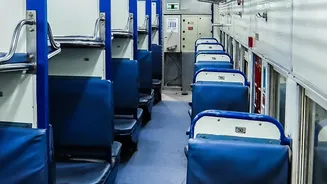

Choose Your Luggage Wisely
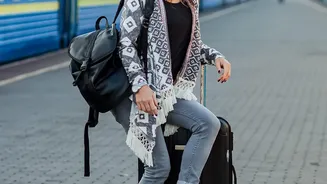
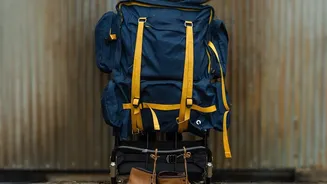
The first line of defence against the downpour is your bag. While hard-shell polycarbonate suitcases offer the best protection against moisture, they can be cumbersome on trains. If you prefer a backpack or duffel bag for easier handling, opt for one
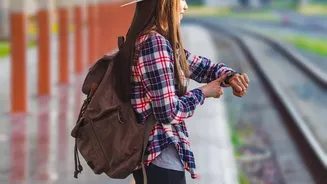
made of water-resistant material like nylon or polyester. A crucial addition is a rain cover for your bag. This simple accessory can be a journey-saver, providing an essential shield during dashes across wet platforms or while luggage is being loaded.
Create a Waterproof Inner Sanctum
What’s inside counts, especially when it comes to keeping things dry. Think in layers of protection. Ziplock bags are your best friends; use them to create waterproof pouches for all your electronics, chargers, and important documents like tickets and IDs. For clothes, consider using larger plastic bags or compression bags to separate wet items from dry ones and to keep everything organised and moisture-free. This compartmentalisation ensures that even if the outer bag gets damp, your essentials remain pristine.
Pack the Right Fabrics
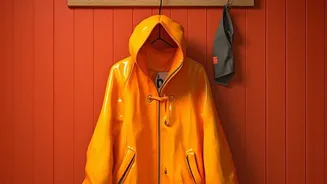
Leave the heavy denim and thick cottons at home. During the monsoon, your wardrobe should consist of light, synthetic, and quick-drying clothes. Fabrics like polyester blends and lightweight cottons are ideal as they dry much faster, a true blessing in the humid train environment. Packing fewer, versatile items is key. A light waterproof jacket or poncho is non-negotiable for navigating stations and is more effective than an umbrella in windy, rainy conditions. Also, consider packing darker coloured clothing, as it is more forgiving with mud splashes.
Select Smart Footwear
Railway station platforms can become notoriously slippery when wet. Your choice of footwear is therefore critical for safety. Opt for rubber sandals, floaters, or any footwear with a strong anti-slip sole. These are easy to clean and dry quickly. Avoid wearing absorbent shoes like canvas sneakers or leather shoes, as they will get soaked and take ages to dry. It's always a good idea to pack an extra pair of flip-flops for casual wear inside the train compartment.
Build a Monsoon Health Kit
The rainy season often brings an increased risk of infections. Your medical kit should be adapted for this. Along with standard items like bandages and antiseptic cream, include insect repellent to ward off mosquitoes, which are more prevalent during this time. Also pack basic medications for common monsoon ailments like colds, fevers, and stomach upsets. Hand sanitizer is a must-have for maintaining hygiene, especially before eating. Carrying oral rehydration sachets (ORS) is also a wise precaution.
Mind Your Food and Water
While the temptation of platform pakoras is strong, it's safer to be cautious with food and water during the monsoon to avoid waterborne diseases. It is best to carry your own refillable water bottle and fill it from reliable sources, or stick to sealed bottled water. Packing some dry snacks like nuts, biscuits, or protein bars can be a lifesaver if the train is delayed or if you want to avoid risky station food. Ordering from FSSAI-approved vendors through railway apps can be a safer alternative to the pantry car.
Don't Forget the Small Essentials
A few small items can make a big difference. A powerful torch or flashlight is crucial, as power cuts can occur. A power bank is also essential to keep your devices charged, especially during long journeys with potential delays. A microfiber towel is a great addition as it's lightweight and dries much faster than a standard cotton one. Finally, carrying a few old newspapers can be surprisingly useful for lining a damp seat or absorbing moisture from wet shoes.