



The Science of Drowning
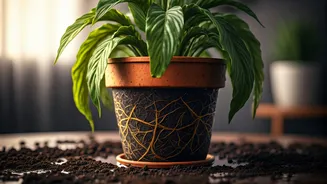
We often think of roots as straws, simply sucking up water. But they do more than drink; they also need to breathe. Soil is not just a solid mass; it’s a complex matrix of minerals, organic matter, and tiny air pockets. These pockets are crucial, as they hold
the oxygen that roots require for respiration—the process of converting sugars into energy to fuel plant growth. When you overwater a plant, these air pockets fill completely with water. The roots, submerged and cut off from their oxygen supply, effectively begin to suffocate. Within as little as 24 to 48 hours, the cells in the roots start to die. This decay creates an ideal environment for opportunistic fungi and bacteria, which thrive in wet, low-oxygen conditions. The result is root rot, a disease that spreads quickly, turning healthy, white roots into a brown, mushy mess that can no longer absorb water or nutrients.
Signs of an Overwatered Plant
Ironically, the symptoms of overwatering often mimic those of underwatering, which can lead inexperienced plant owners to add even more water, compounding the problem. The most telling sign is wilted, drooping leaves on a plant whose soil is still damp or wet to the touch. This happens because the rotting roots can no longer deliver water to the rest of the plant. Other key indicators include yellowing leaves (chlorosis), especially lower ones, which may feel soft and limp. You might notice the base of the stem becoming soft, mushy, or discoloured. A persistently damp soil surface can also attract pests like fungus gnats, which lay their eggs in the top layer of moist soil. If you're brave enough to investigate, a sour or rotten smell emanating from the soil is a definitive sign that decay has set in below the surface.
Prevention Is the Best Medicine
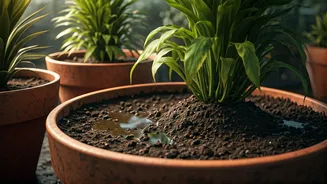
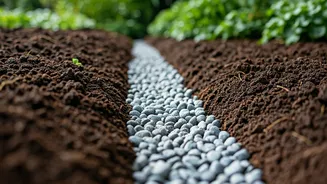
Avoiding drowned roots is all about smart watering and creating the right environment. First, always use pots with drainage holes. Without them, excess water has nowhere to go and will pool at the bottom, creating a death trap for roots. Second, adopt the 'finger test' before you even pick up your watering can. Stick your index finger about two inches into the soil. If it feels moist, wait. If it feels dry, it’s time to water. Third, the type of soil matters immensely. Standard potting mix can sometimes retain too much moisture. Amending your soil with perlite or pumice improves aeration and drainage, giving roots the oxygen they need. Finally, understand your plant's specific needs. A succulent from the desert has vastly different water requirements than a tropical fern from the rainforest floor. A little research into your plant's native habitat can go a long way in establishing a successful watering routine.
Emergency Plant Rescue
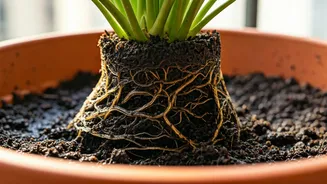
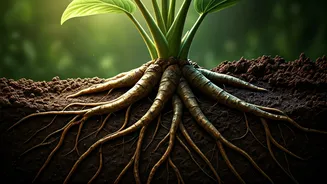
If you suspect root rot has already taken hold, quick action is required. Don't just hope it will dry out. Carefully remove the plant from its pot. Gently shake and rinse the old, waterlogged soil from the root ball so you can get a clear look. Healthy roots are typically firm and white or light-coloured. Rotting roots will be brown or black, soft, and may even fall apart in your hands. Using a clean, sharp pair of scissors or pruning shears, trim away every single mushy, dead root. Be ruthless; leaving any rot behind will allow it to spread. If you had to remove a significant portion of the root system, you may need to prune a corresponding amount of foliage from the top of the plant to reduce the stress on the remaining roots. Finally, repot the plant in a clean pot with fresh, well-draining soil. Water it very lightly and place it in a spot with bright, indirect light to recover. Hold off on fertilising until you see signs of new growth.