



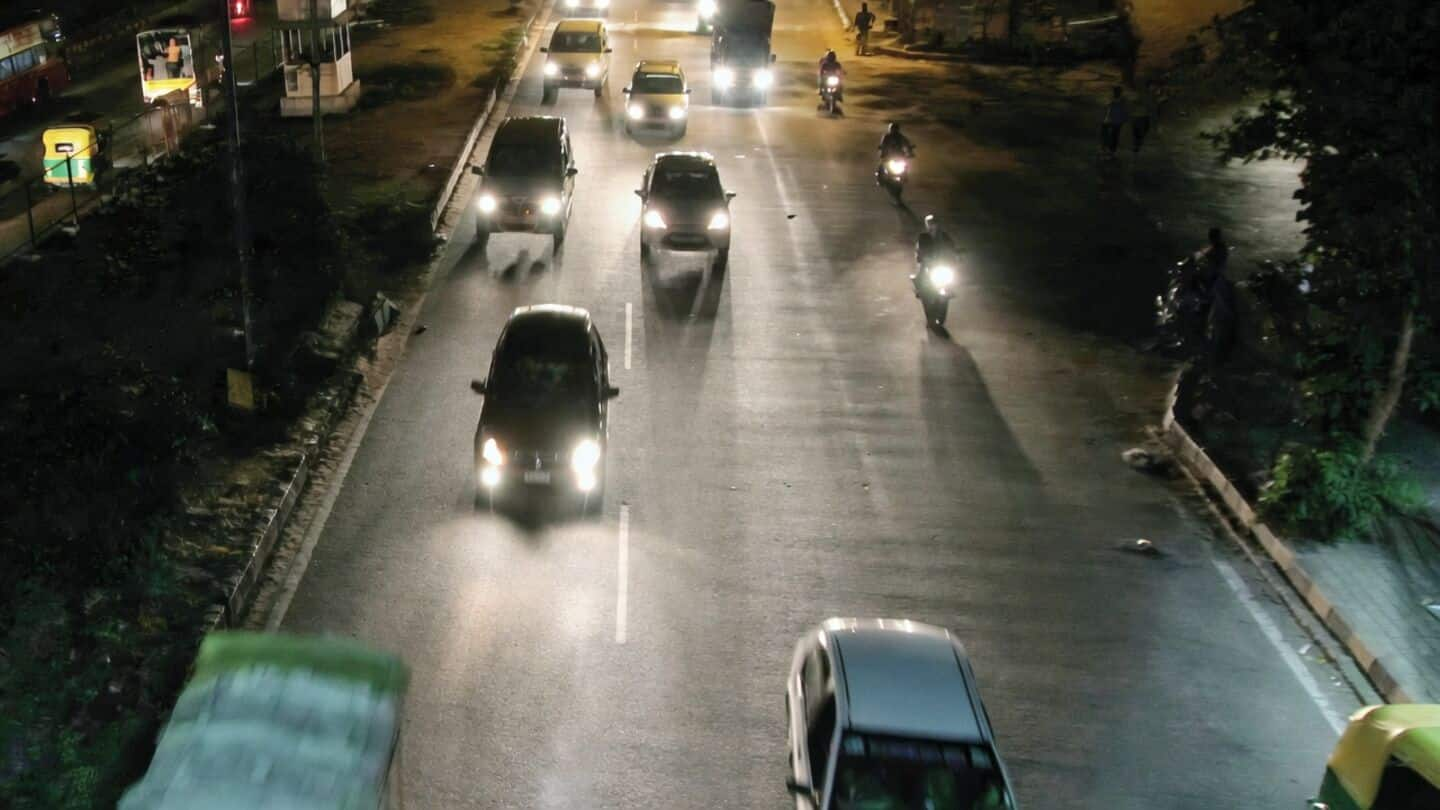
Tyres: Your First Line of Defence
Your tyres are the only part of your car in contact with the road, making them critical for monsoon safety. Wet roads significantly increase braking distances and the risk of hydroplaning, where tyres lose contact with the road and ride on a film of water.
Before your trip, check that the tread depth is at least 3mm, which is essential for channelling water away effectively. Also, inspect tyre pressure when the tyres are cold, ensuring it matches the manufacturer's recommendation found on the driver-side door sticker. Underinflated tyres can increase hydroplaning risk, while overinflated ones reduce grip. Don't forget to check the spare tyre; discovering it's flat during a downpour is a miserable experience.
Brakes: Stopping Power When it Matters Most
Braking performance is severely compromised on wet surfaces, with stopping distances potentially doubling or tripling compared to dry conditions. If your brakes feel spongy, make unusual noises, or the car vibrates when you brake, get them inspected immediately. Brake fluid can absorb moisture from the humid air, which lowers its boiling point and reduces effectiveness. If the fluid in the reservoir looks dark or cloudy, it should be flushed and replaced. Also, have a mechanic check the thickness of your brake pads. Worn pads are dangerous in the rain and should be replaced before you set off.
Wipers and Windshield: See and Be Seen
Clear visibility is non-negotiable in heavy rain. The intense Indian summer heat degrades the rubber on wiper blades, causing them to streak, skip, or squeal instead of clearing the glass effectively. If your wipers aren't cleaning the windshield perfectly, replace them. It’s a small cost for a massive safety improvement. While you're at it, top up your windshield washer reservoir with a proper washer fluid, not just plain water, as it helps remove oily road grime splashed onto your screen. Also check your air conditioning, as it's the fastest way to defog the inside of your windshield in humid conditions.
Lights and Electricals: A Beacon in the Storm
During a downpour, visibility drops dramatically. Your car's lights are crucial not just for you to see, but for others to see you. Do a walk-around check of all your lights: headlights (low and high beam), tail-lights, brake lights, and indicators. Replace any faulty or dim bulbs immediately. High humidity and waterlogging are enemies of your car's electrical systems. Pay special attention to the battery, as it works harder during the monsoon due to the increased use of wipers, lights, and the AC. Check the battery terminals for any signs of corrosion—a white or greenish buildup—and clean them with a wire brush to ensure a strong connection.
Underbody and Seals: Preventing Hidden Damage
Indian roads during the monsoon are notorious for potholes hidden under murky water. These can cause significant damage to your car's undercarriage. While a full inspection is best left to a professional, you can check for any loose-hanging parts. Getting an anti-rust coating applied to the underbody before the season is a wise investment to prevent long-term corrosion. Also, inspect the rubber seals around your doors and boot. If they are cracked or hardened, water can seep into the cabin, leading to damp interiors, mould, and potential damage to electronics.
The Emergency Kit: Your Roadside Companion
Even with the best preparation, things can go wrong. A well-stocked emergency kit can be a lifesaver. Ensure your kit includes a powerful flashlight, a first-aid kit, a reflective warning triangle, and a tow rope. Jumper cables are also essential in case of a battery failure. Given the conditions, an umbrella, a waterproof poncho, and a fully charged power bank for your phone are practical additions. A puncture repair kit or a tyre inflator can also save you from being stranded on a wet and lonely highway.