







India's Growing Health Crisis
The numbers are stark and paint a concerning picture of the nation's health. Recent national surveys reveal a dramatic surge in non-communicable diseases (NCDs) or lifestyle diseases. Conditions like hypertension, diabetes, and heart disease are no longer
afflictions of old age but are increasingly being diagnosed in younger adults. According to a 2026 report from the National Statistical Office, the overall burden of illness has nearly doubled in less than a decade, with a significant spike in cardiovascular and metabolic disorders. This epidemiological transition, from infectious diseases to chronic lifestyle conditions, is placing an immense strain on India’s healthcare system, which has historically been focused on curative rather than preventive care. This shift is driven by rapid urbanisation, sedentary jobs, changing dietary patterns, and high stress levels, making a national focus on preventive health not just a good idea, but an urgent necessity.
Why Gym Subsidies Aren't a Silver Bullet
When considering preventive fitness, the idea of subsidising gym memberships often comes up. It seems like a straightforward way to encourage physical activity. However, this 'one-size-fits-all' approach has significant drawbacks. Studies and real-world application show that such benefits tend to be used by individuals who are already health-conscious and motivated. It creates a scenario where public or corporate funds benefit a small, typically urban, segment of the population that likely would have joined a gym anyway. This approach largely ignores the vast majority of Indians in rural and semi-urban areas who may lack access to or interest in a conventional gym. Furthermore, it overlooks the cultural diversity of fitness in India, where activities like yoga, walking in parks, or traditional sports are more common and accessible than weight training. A policy that exclusively promotes gyms is not just inefficient; it's inequitable.
A Smarter Toolkit for a Fitter India
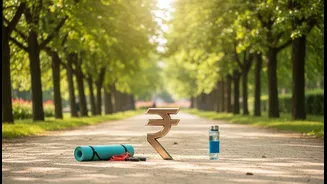
A truly effective preventive fitness policy must be more creative and comprehensive. Instead of a single, costly subsidy, a multi-pronged approach is needed. This begins with building accessible public infrastructure: well-lit walking tracks, safe cycling lanes, and open-air gyms in public parks. These initiatives democratise fitness, making it free and accessible to all, irrespective of income. The government’s Fit India Movement already promotes this holistic vision, encouraging simple lifestyle changes like taking the stairs or walking more. Another powerful lever is integrating technology. Subsidising digital health platforms or wearable devices can provide personalised fitness and nutrition coaching at a fraction of the cost of in-person trainers, reaching people even in remote areas. Startups are already pioneering AI-driven health assessments and remote monitoring, showing the potential for scalable, personalised preventive care.
Incentivising a Culture of Wellness
Policy can be a powerful nudge for both individuals and corporations. For instance, insurance companies can be encouraged to offer lower premiums to individuals who demonstrate healthy behaviours, such as participating in regular health screenings or fitness activities. While not yet mandatory, the insurance regulator, IRDAI, encourages insurers to include wellness and preventive features. On the corporate front, companies can be offered tax benefits for implementing robust employee wellness programs. These programs can range from subsidised healthy meals and on-site yoga classes to offering 'fitness rewards' for achieving activity goals, an approach many find more effective than simple reimbursement. This creates a powerful public-private partnership where the government sets the framework, and employers help execute the mission, leading to a healthier, more productive workforce.