


A Renewed Global Emphasis
The recently released 2026 UN Nutrition Report has sent a clear message to the global health community: the importance of dietary diversity has never been more critical. While previous reports have touched on this, the new findings place a significant
emphasis on variety not just between, but within, all food groups. Experts suggest this renewed focus is a response to rising rates of diet-related chronic diseases and a growing understanding of how our food choices impact everything from our immune system to our mental health. The report suggests that no single food, no matter how healthy, can provide all the nutrients we need. Instead, a diverse diet is key to ensuring we meet our vitamin and mineral requirements and reduce the risk of noncommunicable diseases.
Beyond the Five-a-Day Mindset
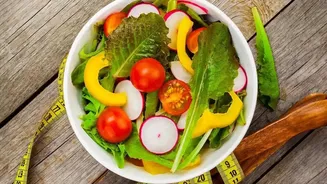
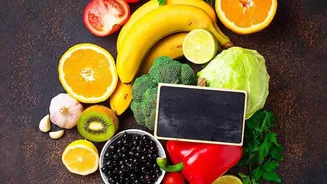
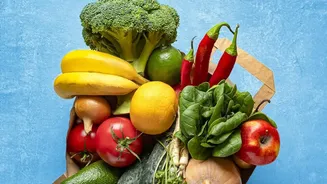
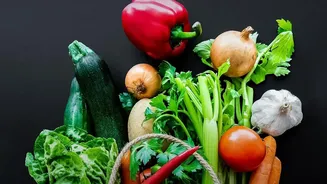
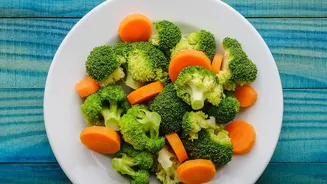
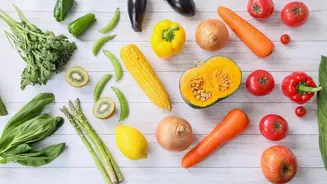
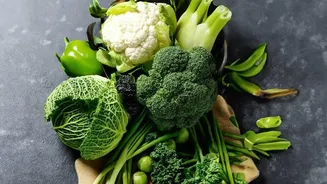
For years, public health campaigns have focused on simple targets, like eating five portions of fruit and vegetables a day. While still important, the new report encourages a broader perspective. True dietary diversity means including foods from all the major groups: fruits, vegetables, grains, proteins, and dairy or alternatives. Furthermore, it champions variety within these groups. For example, instead of only eating potatoes and tomatoes, we should explore a wide spectrum of vegetables. Different colours in fruits and vegetables often signify the presence of different vitamins, minerals, and antioxidants. A diet rich in a variety of plants provides a wide array of fibres and nutrients that are essential for optimal health.
The Gut Microbiome Connection
Perhaps the most compelling modern argument for dietary variety lies in its effect on our gut microbiome. Our intestines are home to trillions of microorganisms that play a crucial role in digestion, immunity, and even mood regulation. Recent studies have shown that a more diverse diet leads to a more diverse and resilient gut microbiome. Different microbes thrive on different types of food, especially the fibres found in a wide range of plant-based foods like fruits, vegetables, legumes, and whole grains. Research from the American Gut Project found that individuals who ate over 30 different types of plant foods per week had a more diverse gut microbiome than those who ate 10 or fewer. A Western diet, often low in fibre and high in processed foods, is linked to reduced microbial diversity, a condition known as dysbiosis.
Plugging Nutritional Gaps
In many parts of the world, including India, diets can be heavy on a few staple grains like rice and wheat. While these provide essential energy, a lack of variety can lead to micronutrient deficiencies, even when calorie intake is sufficient. Relying on a small number of foods increases the risk of missing out on vital nutrients found elsewhere. For example, red meat is a great source of iron, while fatty fish provides crucial omega-3 fatty acids. By consciously including a wider range of foods—different dals, millets, seasonal vegetables, and local fruits—we can create a more robust nutritional safety net, protecting against deficiencies and strengthening our bodies' natural defence systems.
Practical Steps to Diversify Your Plate
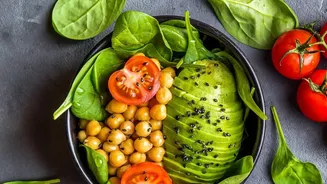
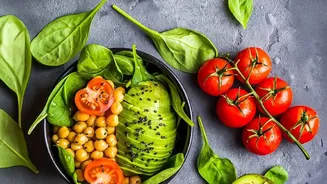
The idea of diversifying your diet doesn't have to be overwhelming. You can start with small, manageable changes. Aim to 'eat the rainbow' by picking fruits and vegetables of different colours throughout the week. Make it a goal to try one new vegetable or fruit every week. Explore different grains like quinoa, barley, or local millets as alternatives to rice or wheat. Look to other cultures for inspiration on how to incorporate more legumes, like adding chickpeas to a curry or using different beans in a salad. Even using different herbs and spices can add new flavours and nutrients to familiar dishes. The key is to make mealtimes more interesting and varied, which not only benefits your health but also makes eating more enjoyable.