





Beyond the Thermometer
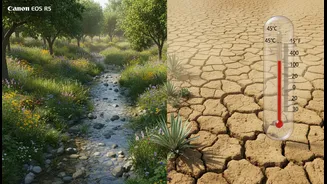
Cities are almost always warmer than their surrounding rural areas. This phenomenon, known as the Urban Heat Island (UHI) effect, is caused by the materials that build our modern lives. Concrete, asphalt, and dark roofing absorb and retain the sun's heat
far more than natural landscapes do. This retained heat radiates back into the air, especially at night, preventing cities from cooling down and increasing health risks like heat exhaustion and heat stroke. The absence of vegetation, which provides natural cooling through shade and a process called evapotranspiration, makes the problem worse. So, while a 40-degree day is dangerous everywhere, in a dense city, the built environment turns up the dial even further.
The Silent Loss of City Wildlife
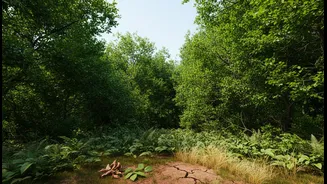
Urbanisation is a primary driver of habitat loss, which threatens biodiversity globally. As cities expand, they fragment and destroy the natural ecosystems that were there before, displacing native plants and animals. This isn't just about losing pretty birds or butterflies; it's about disrupting essential ecological services. Biodiversity is crucial for pollination, which supports food production, and for maintaining a balance that can control pests. Higher urban temperatures create additional stress on the species that manage to hang on. Furthermore, urban areas can become hubs for invasive species that outcompete native ones, further reducing local biodiversity. This loss diminishes the resilience of the urban ecosystem, making it more vulnerable to environmental changes.
Vegetation as the City’s Cooling System
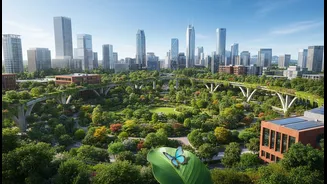
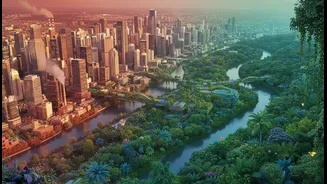
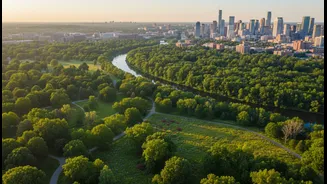
Green infrastructure—the network of parks, street trees, green roofs, and community gardens—is more than just urban decoration. It is a city's most effective tool for climate regulation. Trees and plants actively cool their surroundings. A mature tree canopy can lower local air temperatures by several degrees, providing life-saving relief during heatwaves. Vegetation achieves this through shading and evapotranspiration, a process where plants release water vapour into the air, creating a natural cooling effect. Beyond cooling, urban greenery improves air quality, absorbs stormwater to reduce flooding, and provides critical habitats for wildlife, thus supporting biodiversity.
A Connected Crisis Demands a Holistic View
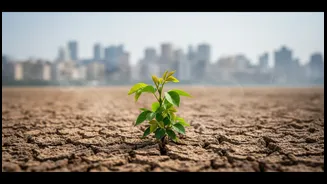
Heat, biodiversity, and vegetation are not separate issues; they are locked in a feedback loop. Rising urban heat puts stress on plants, making them less effective at cooling and more susceptible to disease. The resulting loss of vegetation leads to further habitat destruction, which in turn diminishes biodiversity. The decline of both green cover and wildlife makes the urban heat island effect even more intense. This cycle shows that tackling only one aspect, like planting a few trees without considering the right species or soil conditions, is not enough. A holistic approach is needed, one that understands these interconnections. For students, readers, and especially urban planners, thinking in terms of this integrated system is essential for creating effective and lasting solutions.
A New Toolkit for Greener Cities
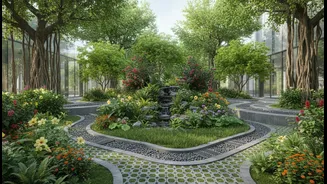
To build resilient cities, urban planners and policymakers must move beyond siloed thinking. This means integrating green infrastructure into every stage of development, not as an afterthought. It involves creating and connecting habitats with green corridors that allow wildlife to move, choosing native and drought-resistant plant species that support local ecosystems, and ensuring equitable access to green spaces for all communities. For students of climate and urbanism, this means learning to use tools like geospatial data to map heat, vegetation cover, and biodiversity hotspots simultaneously. For citizens, it means advocating for policies that protect and expand urban nature. A truly climate-resilient city isn't just a cooler city; it's a city teeming with life.