





What Are Monsoon Closures?
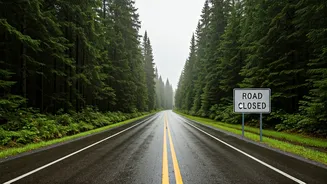
Monsoon closures are not a single event but a range of precautionary shutdowns ordered by authorities during the rainy season. These are temporary measures designed to protect people and property from the dangers associated with heavy rainfall. This can
include shutting down roads, closing schools and colleges, halting tourism in certain areas, and restricting access to national parks and wildlife sanctuaries. The goal is always to prevent accidents and manage public safety when weather conditions become hazardous.
The Reasons Behind the Shutdowns
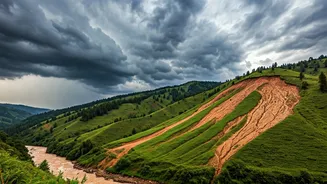
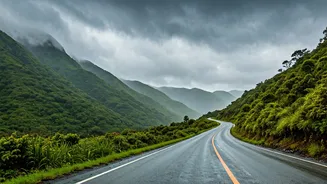
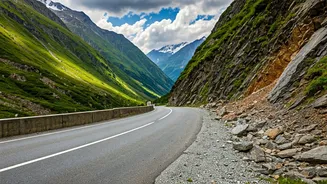
The primary driver for any monsoon closure is safety. Heavy and persistent rain can lead to a number of dangerous situations. In hilly areas, it dramatically increases the risk of landslides and mudslides, which can block roads and threaten entire villages. In cities and plains, the main concerns are waterlogging and flooding, which make roads impassable and can damage infrastructure. Waterlogged streets can hide open manholes and other dangers, while severe floods can cut off communities entirely. Preemptive closures are a way for authorities to prevent people from getting stranded or caught in a dangerous situation.
What Typically Gets Closed?
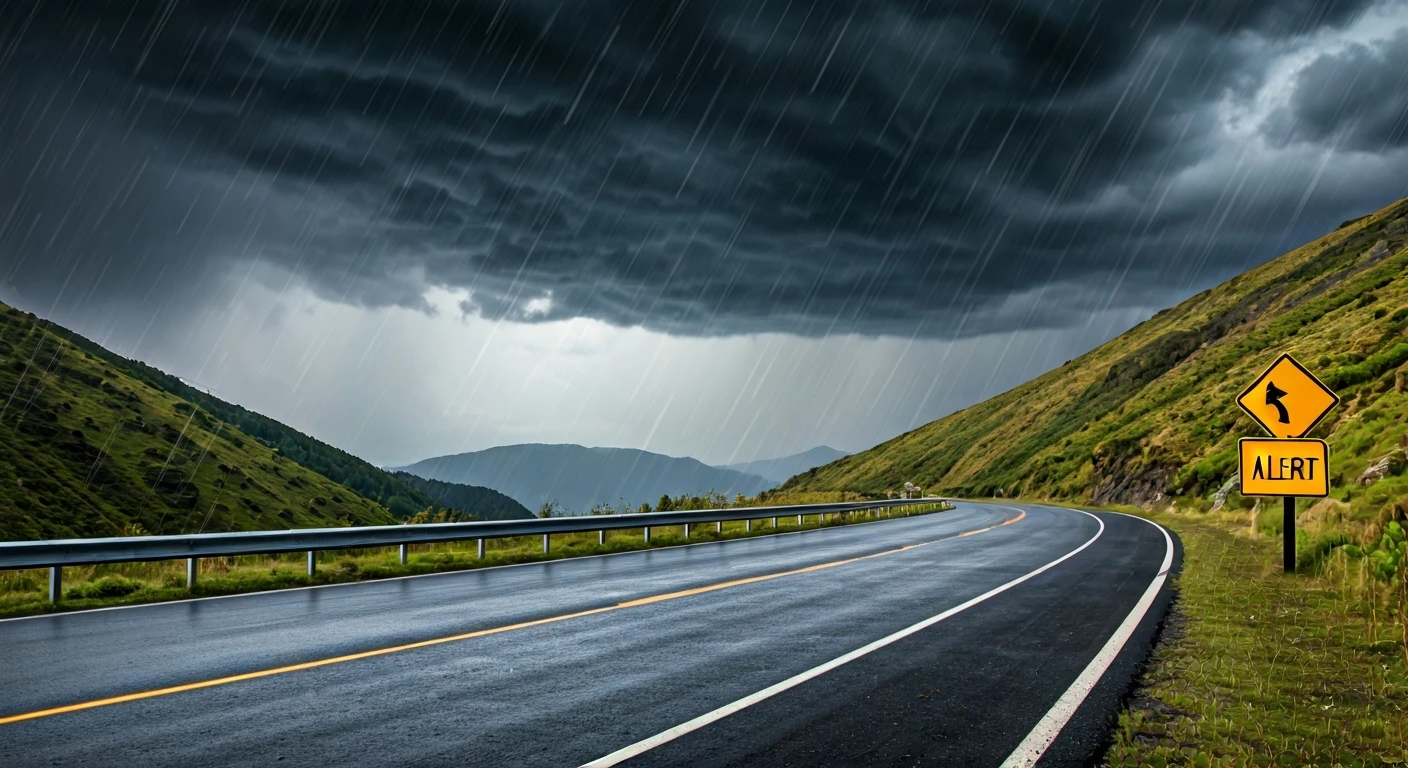
During periods of intense rain, several types of public spaces and infrastructure are commonly closed. Schools and colleges are often shut down to ensure students and staff are not put at risk while commuting. Major highways and local roads, particularly in mountainous regions like Himachal Pradesh or in flood-prone urban areas like Mumbai and Chennai, are frequently closed to traffic. Many of India's famous national parks and tiger reserves, such as Jim Corbett, Ranthambore, and Kanha, also close their core zones during the monsoon. This is done because safari tracks become muddy and inaccessible, and it also gives the forest ecosystem a period of rest to rejuvenate.
Who Makes the Decision?
The decision to implement a closure rests with various government bodies, depending on the location and the type of closure. District Collectors or District Magistrates often have the authority to order the closure of schools and public offices within their jurisdiction based on weather warnings from the India Meteorological Department (IMD). For national highways, the National Highways Authority of India (NHAI) may issue closure advisories, while local municipal corporations manage city roads. In the case of national parks, the decision is made by the respective state's Forest Department in consultation with the National Tiger Conservation Authority.
How to Stay Informed and Prepared
Staying updated during the monsoon is crucial for your safety. The most reliable information comes from official sources. Pay attention to alerts from the IMD and advisories issued by the National Disaster Management Authority (NDMA) and local civic bodies. Reputable news channels and newspapers also provide timely updates on road closures and weather warnings. It is wise to avoid travel to high-risk areas, such as regions under a red or orange alert for heavy rainfall. Before starting a journey, check the status of your route. At home, ensure you have an emergency kit with essentials, and avoid walking or driving through waterlogged areas to prevent accidents and water-borne diseases.