




A New Age of Unprecedented Risk
For centuries, the greatest threats to heritage sites were war, neglect, and the slow march of time. Today, the dangers are accelerating at an alarming rate. Climate change has become a primary antagonist, with a recent assessment revealing that a staggering
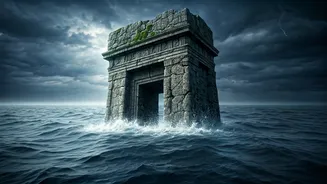
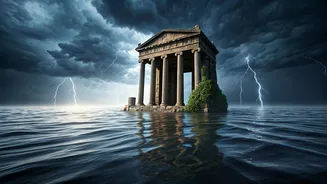
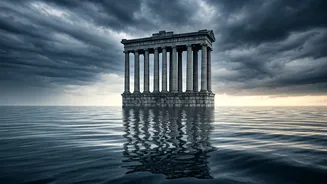
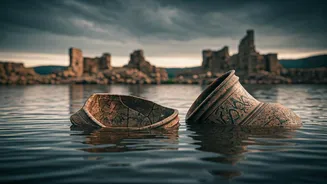
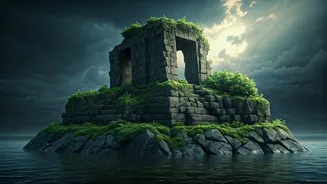
80% of UNESCO World Heritage sites are already under stress from climatic factors. These threats manifest as rising sea levels threatening to submerge coastal treasures, extreme weather events like floods and cyclones battering ancient structures, and rising temperatures causing materials to decay. In India, monuments from the Taj Mahal to the Sonar Fort in Jaisalmer have shown visible damage from pollution, acid rain, and erratic weather. Beyond urbanisation, pollution, and over-tourism add further layers of pressure, forcing a radical rethink of how we protect these irreplaceable assets.
From Preservation to Active Survival
In response, the field of conservation is moving from passive preservation to active, and often urgent, 'survival planning'. This is not merely about routine maintenance. It is a comprehensive strategy that involves detailed risk assessments, disaster preparedness, and proactive adaptation measures. For a site like the Sundarbans mangrove forest, shared by India and Bangladesh, this means battling rising sea levels, cyclones, and salinity intrusion that threaten its unique ecosystem. For stone temples in Southeast Asia, it involves finding ways to combat the effects of extreme heat and humidity that encourage invasive plant growth and structural damage. The goal is no longer just to freeze a site in time, but to help it adapt and endure in a rapidly changing world.
The Blueprint for a Resilient Future
Survival planning takes many forms. At a high level, organisations like UNESCO are training site managers in climate adaptation strategies, aiming to have plans in place for all sites by 2029. On the ground, this translates into tangible actions. In the flood-prone city of Venice, massive floodgates have been engineered to protect the city from rising tides. For sites in India's Himalayas, such as the Tabo Monastery, dealing with glacial melt and flash floods requires new drainage systems and stabilising structures. In places like Jaisalmer Fort, a site built for an arid climate, modern plumbing and increased rainfall have created water seepage issues, prompting re-evaluations of water management. This new approach requires a mix of modern engineering, traditional knowledge, and nature-based solutions to build resilience from the ground up.
The Digital Afterlife: Preserving What We Might Lose
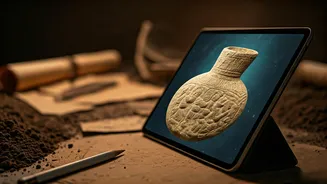
In the most critical cases, survival planning includes a difficult reality: preparing for loss. For sites at extreme risk from conflict or environmental collapse, digital preservation has become an essential tool. Using technologies like 3D laser scanning and advanced photography, organisations create meticulous digital replicas of monuments, artefacts, and even entire sites. This process ensures that if the physical structure is damaged or destroyed, its memory, architectural data, and cultural importance are not lost forever. These digital archives serve as invaluable resources for researchers, educators, and future restoration efforts, effectively creating a 'digital afterlife' for our most vulnerable heritage. This strategy ensures that the knowledge and beauty of these places remain accessible to future generations, even if their physical forms do not survive.