
The Anatomy of a Legend
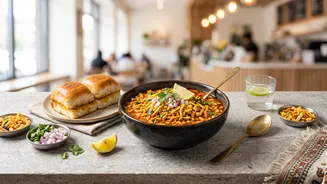
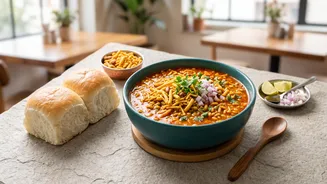
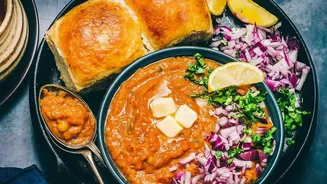
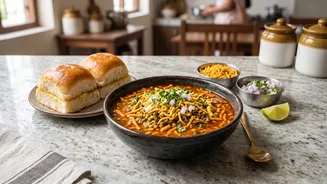
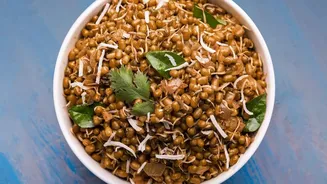
At its core, Misal Pav is a masterful 'mixture', which is what 'misal' translates to in Marathi. The dish starts with a base curry called 'usal', typically made from sprouted moth beans (matki). This nutritious foundation is then bathed in a thin, fiery
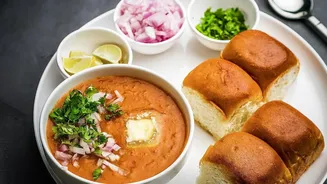
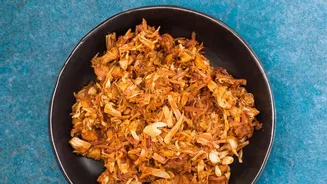
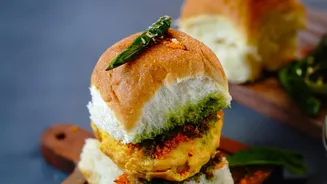
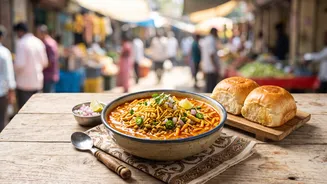
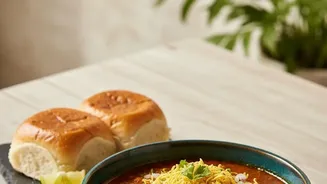
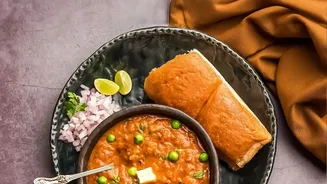
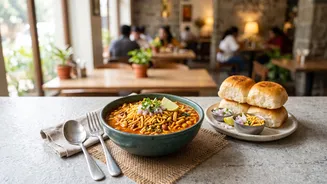
gravy known as the 'kat' or 'rassa', which provides the dish's signature heat. The magic happens during assembly. A bowl of the usal and kat is generously topped with 'farsan'—a crunchy mix of fried snacks—along with finely chopped raw onions and fresh coriander. A squeeze of lemon juice cuts through the richness, adding a final, bright note. This entire, flavour-packed concoction is served alongside soft, pillowy bread rolls called 'pav', which are perfect for soaking up every last drop of the delicious gravy. The combination of the spicy, soupy curry, the earthy sprouts, the crunchy farsan, and the yielding bread creates a symphony of textures in every bite.
A Tale of Many Cities
To say there is only one kind of Misal Pav would be a great injustice. The dish is a matter of fierce regional pride, with different cities and towns across Maharashtra offering their own unique spin. Kolhapuri Misal is arguably the most famous and is legendary for its intense spiciness, using a special onion-garlic masala that gives it a powerful kick. In contrast, Puneri Misal is often milder, sometimes incorporating hints of sweetness and tanginess from jaggery and tamarind, and is uniquely served with poha (flattened rice) mixed in. Then there is Nashik Misal, which strikes a balance between the two extremes. It often features a distinct 'kala masala' (black spice mix) and is traditionally served with fried papad and yogurt to complement the heat. Other variations like Nagpuri and Khandeshi misal also bring their own local spices and preparations to the table, ensuring that the journey of discovering misal is a never-ending culinary adventure.
More Than Just Breakfast
While it's a popular breakfast dish, Misal Pav is enjoyed at any time of day—as a hearty snack, a satisfying lunch, or even a light dinner. Its origins are humble, born as a nutritious and affordable meal for mill and factory workers in the early 20th century who needed a filling dish to sustain them through long days of labour. The sprouted beans provided protein, the spices offered warmth, and the bread made it a complete meal. This accessibility helped it become a great social leveller, a dish enjoyed by everyone from labourers to business executives in bustling roadside stalls and modern cafes alike. It's a food that brings people together, a shared cultural icon that represents the spirit of Maharashtra—bold, resilient, and full of life.
The Art of Eating Misal
There's no single 'correct' way to eat Misal Pav, but there is a widely accepted method that maximizes the experience. Many enthusiasts begin by using a spoon to mix the toppings—the farsan, onions, and coriander—into the curry below. Some prefer to add toppings incrementally to keep the farsan from getting soggy. Next, you break off a piece of the soft pav. The most popular technique is to use the piece of bread to scoop up a bit of the sprout and gravy mixture, ensuring you get a little bit of everything in one bite. The pav acts as the perfect vehicle, its softness contrasting with the crunch of the farsan while its absorbent texture soaks up the spicy 'kat'. For those who find the heat a bit much, a side of yogurt or a glass of buttermilk is a common and effective accompaniment.