



Looking for a simple, equipment-free way to build strength outdoors? The walking lunge is a powerhouse exercise that turns any park or open space into your personal gym, helping you build muscle, balance, and confidence.
Why Choose Walking Lunges?
The beauty of the walking lunge
lies in its simplicity and effectiveness. It's a compound exercise, meaning it works multiple muscle groups at once. With every step, you're targeting your quadriceps (front of the thigh), hamstrings (back of the thigh), and glutes (buttocks). But it doesn't stop there. Because you're moving forward and balancing on one leg at a time, your core muscles—including your abdominals and lower back—have to work hard to keep your torso stable and upright. This makes it a highly functional movement, mimicking actions like climbing stairs or simply walking with more power. This unique combination of strength-building and balance work makes walking lunges an excellent choice for beginners looking to improve their overall fitness and coordination without needing any equipment at all.
Perfecting Your Form: A Step-by-Step Guide
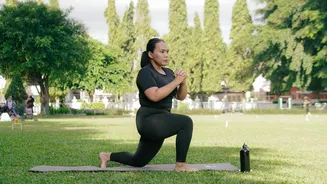
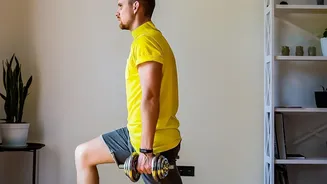
Proper form is crucial to get the most out of your lunges and prevent injury. Take it slow at first to master the movement. Start by standing tall with your feet about hip-width apart and your hands on your hips or by your sides. Engage your core by drawing your belly button toward your spine. Take a large step forward with your right leg, planting your heel first. Lower your hips until both knees are bent at approximately a 90-degree angle. Your front knee should be directly above your ankle, not drifting past your toes, and your back knee should hover just above the ground without touching it. Keep your chest lifted and your back straight—avoid leaning forward or rounding your spine. Push off the heel of your front (right) foot and step your left foot forward to meet it, returning to a standing position briefly to regain balance. Then, immediately step forward with your left leg and repeat the lunge on the other side. This continuous forward motion is what makes it a 'walking' lunge.
Common Mistakes and How to Avoid Them
As a beginner, it’s easy to fall into a few common traps. One of the biggest mistakes is letting the front knee travel past the toes, which places unnecessary stress on the knee joint. To fix this, focus on taking a sufficiently large step forward and lowering your hips downward, rather than pushing forward. Another frequent error is allowing the front knee to collapse inward. This is often a sign of weak hip stabilizers. Actively think about keeping your knee aligned with your second toe. Rushing the movement is also a problem; performing walking lunges too quickly can compromise your form and reduce their effectiveness. Move at a controlled pace, focusing on the quality of each lunge. Finally, many people lean their torso too far forward or round their back. Keep your gaze fixed on a point straight ahead and maintain a proud, upright chest to keep your spine in a neutral position.
Taking Your Workout Outdoors
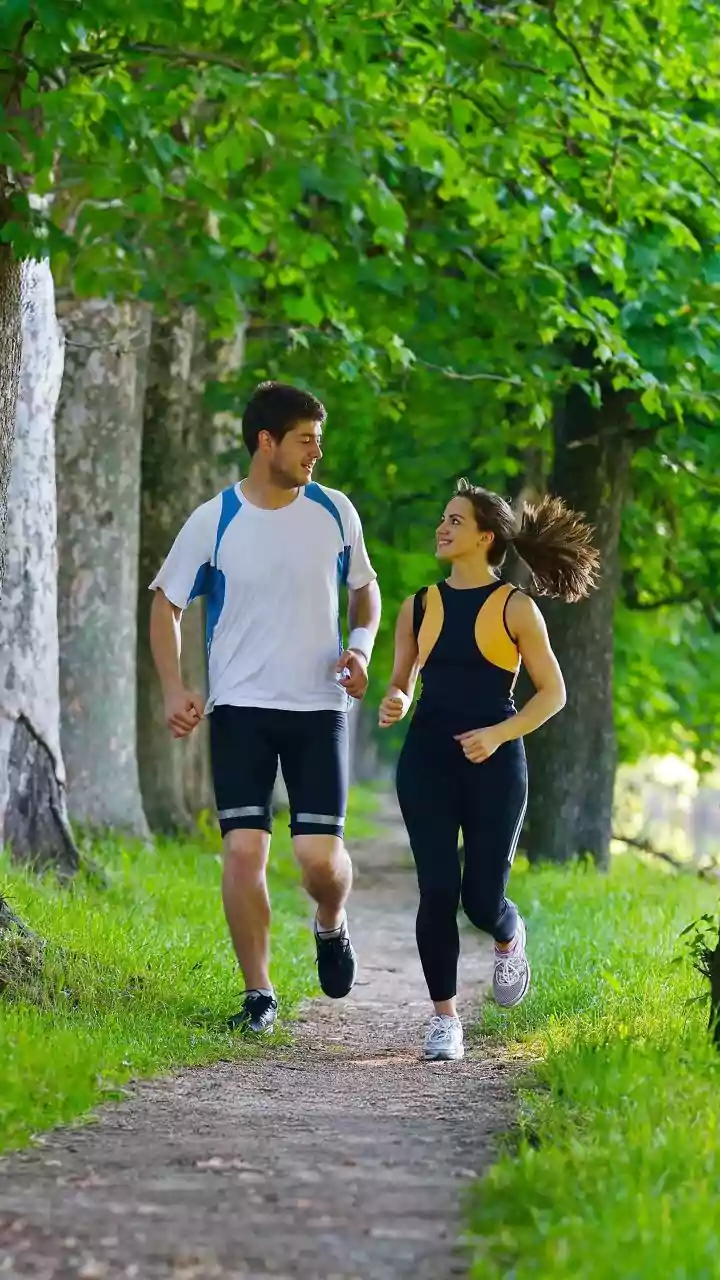
Any flat, open space can become your lunge lane. A park path, a quiet stretch of pavement, or a grassy field are all perfect locations. A great way to start is to incorporate lunges into your daily walk. Warm up with five minutes of brisk walking, then find a suitable spot to perform a set of walking lunges. You could aim for a specific distance, such as lunging for 20–30 meters, then turning around and walking back to your starting point before repeating. Or, you can aim for a certain number of repetitions, like 10–12 lunges per leg. Combining lunges with other bodyweight exercises like park bench pushups, stepups, or planks can create a simple but comprehensive fullbody outdoor workout. Remember to listen to your body and rest when you need to.
Modifications for Absolute Beginners
If the full walking lunge feels too challenging at first, there are several ways to scale it back. Start with static lunges, where you lunge forward and push back to the starting position without traveling. This removes the challenging balance component of stepping through. You can also reduce the depth of your lunge; instead of going to a full 90–degree bend, lower down only as far as you feel stable and comfortable. For extra support with balance, perform your lunges near a wall or a park bench that you can lightly touch for stability. Another great option is the reverse lunge, where you step backward instead of forward. Many people find reverse lunges to be gentler on the knees. Once you can comfortably perform a few sets of these variations with good form, you'll be ready to progress to the full walking lunge.