




Rethink Your Watering Schedule
The most common mistake during the monsoon is overwatering. With natural rain and high humidity, the soil stays wet for longer. Before you even think about picking up that watering can, check the soil first. Stick your finger about an inch or two into
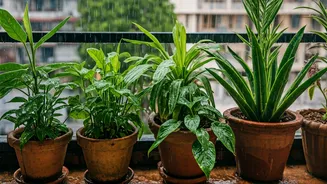
the soil; if it feels damp, hold off on watering. For most plants, especially those in balconies or pots, the rain might provide all the moisture they need. Sticking to a summer watering routine can lead to waterlogged soil, which suffocates the roots and causes root rot.
Ensure Excellent Drainage
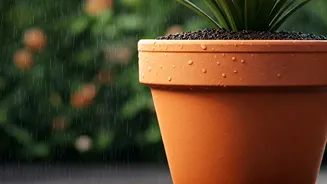
Good drainage is non-negotiable during the rainy season. If water can't escape, roots will sit in soggy soil and begin to rot. Before the heavy rains start, check that the drainage holes in your pots are clear of any blockages. For extra protection, you can elevate your pots on bricks or stands. This simple step allows excess water to drain freely and increases air circulation around the plant's base, preventing the pot from sitting in a puddle. If your soil is heavy or clay-like, consider adding sand or cocopeat to improve its permeability.
Watch for Pests and Fungi
High humidity and damp conditions create a paradise for pests like snails, slugs, and aphids, as well as fungal infections like powdery mildew. Make it a habit to regularly inspect your plants, paying close attention to the undersides of leaves and the soil surface. Yellowing leaves or strange spots can be early signs of trouble. To prevent fungal attacks, you can proactively spray a natural fungicide like diluted neem oil every 10-15 days. Ensuring good air circulation by not overcrowding your plants also helps keep their leaves dry and less prone to disease.
Provide Sturdy Support
Strong winds and heavy downpours can be brutal on plants, especially those with tall, slender stems or large leaves. These plants can easily bend or break under the pressure. Provide support by using bamboo sticks, stakes, or small trellises. Secure the plant stems gently to the support using soft twine, ensuring you don't tie them too tightly, which could damage the stem. This support will help them withstand the monsoon weather and prevent physical damage.
Prune and Trim Strategically
The monsoon is a period of vigorous growth, making it an excellent time for pruning. Trimming your plants helps maintain their shape, promotes healthier and faster growth, and improves air circulation through dense foliage. Regularly remove any dead or yellowing leaves and branches. This not only keeps the plant looking tidy but also removes potential hiding spots for pests and reduces the risk of diseases spreading. The cuttings from many plants can also be easily propagated during this season due to the high humidity.
Go Easy on the Fertiliser
With the soil constantly wet, this is not the time for heavy fertilising. Heavy rains can wash away chemical fertilisers before the plant has a chance to absorb them, leading to wastage and pollution. Furthermore, applying fertiliser to already waterlogged soil can burn the roots. If you must fertilise, opt for organic, slow-release options like vermicompost or well-rotted manure during a dry spell. Liquid fertilisers can also be used as they are absorbed quickly, but they should be applied between showers to prevent them from being washed away.
Consider Repotting and Fresh Soil
The monsoon season is often considered an ideal time for repotting many plants. The consistent moisture and humidity help plants recover from the shock of being moved. This is a great opportunity to shift smaller plants to bigger pots or to refresh the soil. Using a well-draining potting mix is crucial. A good mix often contains soil, compost, and materials like cocopeat or perlite to prevent compaction and waterlogging. However, avoid repotting during peak, continuous downpours, as the risk of root rot in freshly disturbed soil is high.