




The Allure and the Alarm
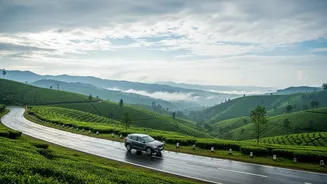
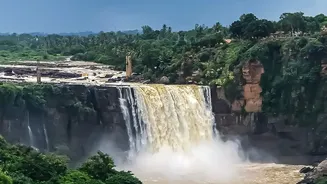
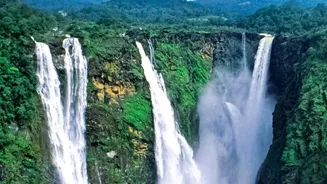
India transforms during the monsoon, with destinations like the Western Ghats and Himalayan foothills bursting into vibrant green life. It’s a time for cosy stays, scenic drives, and fewer tourist crowds. However, this same weather system is responsible
for very real dangers. Recent years have seen an increase in landslides, flash floods, and road blockages in popular tourist areas. Just this August, heavy rainfall has put several states on alert, with incidents of landslides and floods causing significant disruption and risk to life. The romance of the rains is powerful, but respecting their power is the first step to a safe and enjoyable holiday.
Decoding Official Weather Alerts
One of the most critical tools for any monsoon traveller is understanding the colour-coded warnings issued by the India Meteorological Department (IMD). These alerts are your best guide to the severity of expected weather. A 'Green' alert means all is well, while a 'Yellow' alert is a sign to 'Be Aware' and watch for updates. The serious concerns begin with an 'Orange' alert, which means you should 'Be Prepared' for disruptive weather like very heavy rain that could cause waterlogging and travel delays. A 'Red' alert is the highest warning, meaning 'Take Action'. It signals extremely heavy rainfall is expected, posing a significant threat to life and property, and all non-essential travel should be avoided.
Choosing Your Destination Wisely
Not all destinations are equal when it comes to monsoon safety. Hilly and mountainous regions are particularly vulnerable to landslides and flash floods. Experts often advise caution when planning trips to states like Himachal Pradesh and Uttarakhand during periods of heavy rain, as key roads can be blocked without warning. Areas near rivers and streams also carry a high risk, as water levels can rise dangerously fast. Consider destinations in regions with less intense rainfall or better infrastructure to handle downpours. If you have your heart set on a hill station, check local advisories right up until your departure and book hotels with flexible cancellation policies.
Safety on the Road
Road trips are a popular way to enjoy the monsoon, but they require extra caution. Wet roads are slippery, and visibility can be poor due to rain and fog. It is strongly advised to avoid driving in hilly areas at night. Before you leave, check your vehicle’s tyres, brakes, and wipers. Always check your route for closures or advisories from local authorities. Never attempt to drive through a flooded road or a low-lying bridge; the water can be deeper and faster-flowing than it appears. Keeping a buffer day in your itinerary can also save a lot of stress if your journey is delayed by weather.
Your Monsoon Emergency Kit
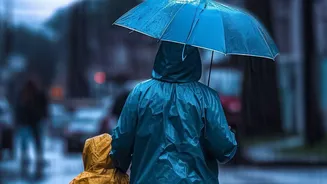
Packing smart is crucial. Beyond your raincoats and waterproof footwear, a well-stocked emergency kit is non-negotiable. This should include a comprehensive first-aid kit with basic medicines for common ailments like colds and indigestion. An essential item is a powerful, fully charged power bank, as power cuts can be common. Pack some dry snacks and a reusable water bottle, but only drink bottled or purified water to avoid waterborne diseases. Also, carry a strong insect repellent, as the monsoon season sees a rise in mosquitoes. Finally, make sure all your important documents and electronics are protected in waterproof bags.
When to Cancel or Turn Back
The most important decision you can make is knowing when to call off a trip. If an Orange or Red alert is issued for your destination, it's a clear signal to reconsider your plans. If you are already on your trip and notice signs of trouble—like rapidly rising water levels, small landslides, or instructions from local authorities to evacuate—do not hesitate. Your safety is more important than any booking. A delayed or cancelled holiday is always better than a risky journey that puts you and your loved ones in danger.