



Beyond the Treetops: A Philosophy of Coexistence
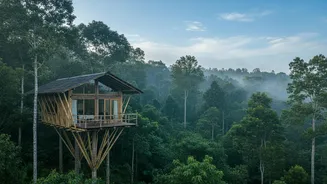
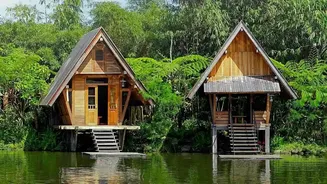
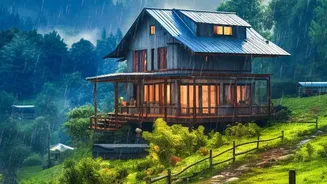
Choosing a bamboo treehouse in Wayanad is about embracing a philosophy of low-impact living. These resorts are not just buildings placed in nature, but structures designed to coexist with it. Many are built on sprawling plantations where only a tiny fraction
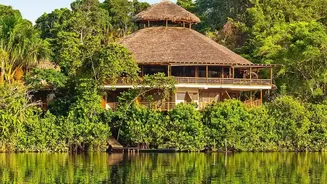
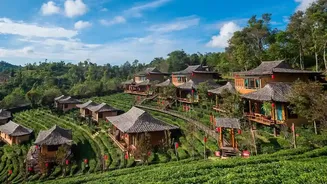
of the land is developed, preserving the vast majority as forest or agricultural cover. The goal is to create an immersive experience for guests—think nature walks, plantation tours, and bird watching—that fosters a genuine connection to the environment without disturbing its delicate balance. The architecture itself is often inspired by the vernacular designs of local tribal communities, using traditional knowledge to build in harmony with the landscape.
Bamboo: Nature’s Miracle Building Material
The star of these eco-resorts is, of course, bamboo. Technically a grass, bamboo is one of the most sustainable building materials on the planet. It grows incredibly fast, with some species maturing in just three to five years, compared to decades for traditional hardwoods. This rapid regeneration prevents deforestation. As it grows, bamboo also acts as a powerful carbon sink, absorbing more carbon dioxide and producing up to 35% more oxygen than an equivalent stand of trees. Its strength is equally impressive; with a tensile strength comparable to steel, it's a resilient and durable choice for construction, capable of withstanding the region's climate. By using locally sourced bamboo, resorts significantly reduce their carbon footprint associated with transporting materials.
Designing with Nature, Not Against It
The eco-friendly ethos extends to the very design and construction of these resorts. Architects often prioritize building around nature rather than clearing it. Many structures are built on stilts to minimize ground disturbance, preserve natural water drainage patterns, and prevent soil erosion, a critical consideration in hilly terrains like Wayanad. Cottages are strategically positioned to maximize natural light and cross-ventilation, reducing the need for artificial lighting and air conditioning. Materials go beyond just bamboo, often incorporating locally sourced stone, mud, reclaimed wood, and palm leaves, further grounding the structures in their environment and supporting local artisans.
Sustainable Operations: The Day-to-Day Green Commitment
A truly eco-friendly stay is about more than just the building materials. Wayanad's bamboo resorts often implement a host of sustainable operational practices. Many are entirely plastic-free, using glass bottles for water and providing amenities in reusable containers. Water conservation is managed through rainwater harvesting and by tapping natural springs, with the water often triple-filtered on-site. Energy needs are met in innovative ways, such as using solar panels for power and biomass boilers—fueled by fallen twigs and coconut husks—to heat water, significantly cutting down on electricity consumption. Food waste is often converted into cooking gas through biogas plants, showcasing a circular approach to resource management.
An Immersive Community and Culinary Experience
The eco-friendly model in Wayanad is deeply intertwined with the local community. Many resorts actively involve villagers in their operations, from construction using traditional craft skills to employment in hospitality. This creates a sustainable economic model that benefits the people whose ancestral home you are visiting. This local connection extends to the food. The culinary experience is often farm-to-table, with resorts growing their own produce or sourcing ingredients from farms within a few kilometers. Guests are treated to authentic Kerala cuisine made from fresh, organic ingredients, often with jams, pickles, and bread made in-house. This not only ensures delicious, preservative-free meals but also supports the local agricultural economy and provides a true taste of Wayanad.