




Understanding the Vrat Diet
The Navratri fast follows a sattvic dietary pattern. This means avoiding foods that are considered rajasic (stimulating) or tamasic (dulling) in nature. The focus is on light, pure, and easy-to-digest foods that support spiritual reflection. Non-vegetarian
food, eggs, alcohol, onions, and garlic are strictly avoided by most who observe the fast. The goal is to give the digestive system a rest and cleanse the body during this auspicious period.
Flours and Grains to Embrace
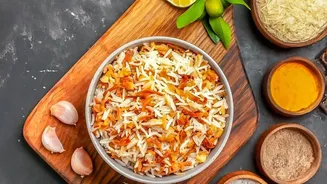
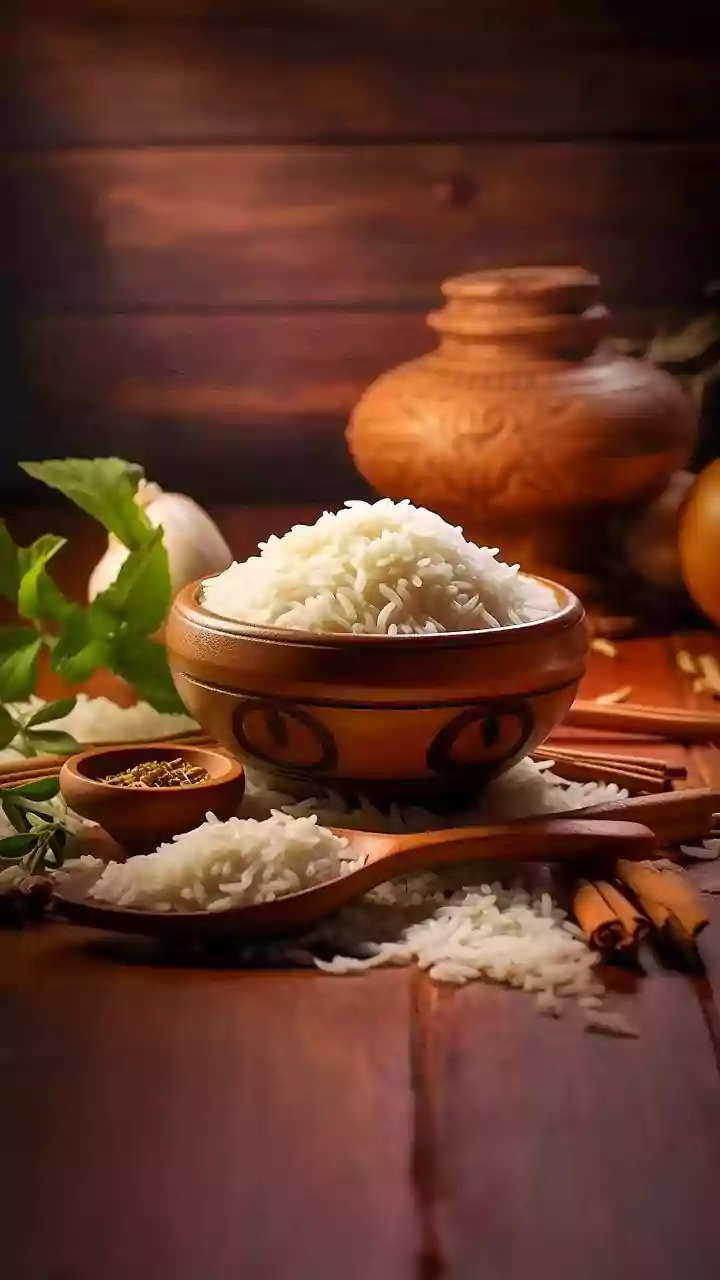
During Navratri, regular grains like wheat and rice are off-limits. Instead, a variety of nutrient-rich alternatives are used. Buckwheat flour (kuttu ka atta), water chestnut flour (singhare ka atta), and amaranth flour (rajgira ka atta) are the most common. These flours are used to make rotis, puris, and pakoras. For a rice substitute, many turn to barnyard millet (sama ke chawal), which can be used to prepare khichdi, pulao, or kheer. Sabudana (tapioca pearls) is another fasting staple, perfect for making khichdi and vadas.
Vegetables You Can Enjoy
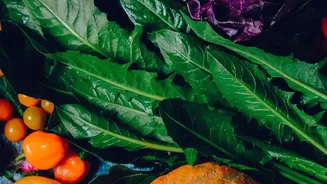
While some vegetables are restricted, many are permitted. Potatoes are a versatile favourite, used in countless preparations. Other allowed vegetables include sweet potatoes, pumpkin, bottle gourd (lauki), cucumber, carrots, and taro root (arbi). These vegetables are considered sattvic and provide sustained energy. Vegetables like onions, garlic, cauliflower, and brinjal are typically avoided.
Fruits, Nuts and Dairy
There are generally no restrictions on fruits, which are an excellent source of energy and hydration. All seasonal fruits like bananas, apples, and pomegranates are welcome additions to your diet. Nuts and dry fruits such as almonds, walnuts, cashews, and makhana (fox nuts) are also permitted and make for great snacks. Dairy products like milk, yogurt (curd), paneer, and ghee are central to the vrat diet, providing essential protein and calcium.
Spices and Seasonings
When it comes to seasoning, there's one key rule: no regular table salt. Instead, sendha namak, or rock salt, is used. It is a less processed form of salt that is considered pure and suitable for fasting. Other permitted spices include cumin (jeera), black pepper, green cardamom, cloves, and cinnamon. Spices that generate heat, like turmeric and mustard seeds, are often avoided.
Foods to Strictly Avoid
To keep it simple, here is a list of items to completely avoid: all regular grains (wheat, rice, oats, cornflour, semolina), lentils and legumes, non-vegetarian food (meat, fish, poultry), and eggs. Onions and garlic are prohibited due to their tamasic properties. Regular iodized table salt is replaced by rock salt. It is also recommended to stay away from processed and packaged foods, as well as alcohol.
Staying Hydrated and Healthy
Hydration is key during any fast. Drink plenty of water throughout the day. Fresh fruit juices (made at home without added sugar), coconut water, and milk-based drinks like lassi or buttermilk are excellent choices to maintain hydration and energy levels. While many people enjoy fried foods like kuttu puris and sabudana vadas, it's wise to consume them in moderation. Opting for baked, steamed, or lightly roasted preparations can help you feel energetic rather than lethargic.