


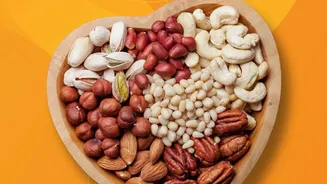


Seeds and nuts are nutritional powerhouses, packed with healthy fats, protein, and fibre. But a simple, ancient step—soaking—can unlock even more of their goodness, making them gentler on your stomach and boosting their benefits. Here’s why.
The Hidden Hurdles in Raw Seeds
Have you ever
found that a handful of raw almonds or seeds feels a little heavy in your stomach? You’re not imagining it. Raw seeds, nuts, and grains contain natural compounds that act as a form of 'chemical armour'. These include phytic acid and enzyme inhibitors. Their purpose in nature is to protect the seed and keep it dormant until conditions are perfect for it to sprout. However, when we consume these compounds, they can interfere with our own digestive processes. Phytic acid, sometimes called an 'anti-nutrient', can bind to essential minerals like iron, zinc, and calcium in your digestive tract, which may reduce your body's ability to absorb them. Enzyme inhibitors can put a strain on your digestive system by preventing your body’s own enzymes from breaking down food effectively.
The Soaking Solution: Better Digestion, More Nutrients
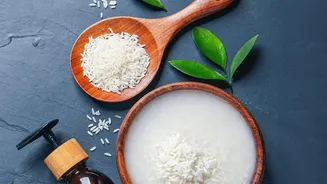
Soaking is a simple and effective way to neutralize these anti-nutrients. By submerging seeds or nuts in water, you are essentially mimicking the rainy conditions that signal it's time to germinate or sprout. This process activates an enzyme called phytase, which is naturally present in the seed and works to break down phytic acid. As the phytic acid breaks down and leaches into the soaking water, the minerals within the seed become more bioavailable, meaning your body can more easily absorb them. Similarly, the soaking process deactivates the enzyme inhibitors, taking the strain off your digestive system and often reducing the bloating or discomfort some people experience after eating raw nuts and seeds.
More Than Just Digestion: The 'Activation' Advantage
This process is often referred to as 'activating' the nuts or seeds. Activation does more than just remove the bad stuff; it also kick-starts the seed's life cycle. This germination process can increase the content of certain vitamins, particularly B vitamins, and make proteins more available for absorption. Soaking essentially 'wakes up' the seed from its dormant state, transforming it into a more dynamic and nutrient-dense food. The texture also improves dramatically. Soaked nuts become creamier and less bitter, which is why they are a favourite for making silky-smooth nut milks, sauces, and soups.
A Practical Guide to Soaking Your Seeds
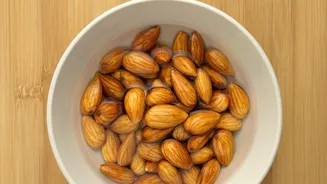
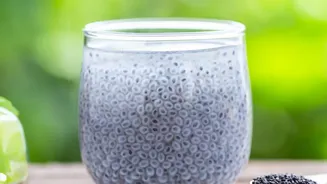
Ready to give it a try? The process is incredibly simple. All you need is a bowl, water, and a pinch of salt, which helps activate the enzymes that break down the inhibitors. First, place your raw nuts or seeds in a glass bowl or jar. It's important to use raw, un-roasted varieties, as the high heat from roasting destroys the enzymes needed for activation. Cover them with warm, filtered water, adding about half a teaspoon of sea salt for every few cups of nuts. Let them sit on the counter, covered with a cloth. Soaking times vary depending on the seed's hardness. Harder nuts like almonds need 8–12 hours, while softer ones like walnuts and pecans need 4–6 hours. Tiny seeds like chia and flax only need about 20–30 minutes to form a gel. After soaking, always discard the water, as it contains the anti–nutrients you're trying to avoid. Rinse the seeds thoroughly. You can use them immediately in smoothies or recipes, or to regain their crunch, spread them on a baking sheet and dry them in an oven at the lowest temperature for 12–24 hours.