




More Than Just a Balloon
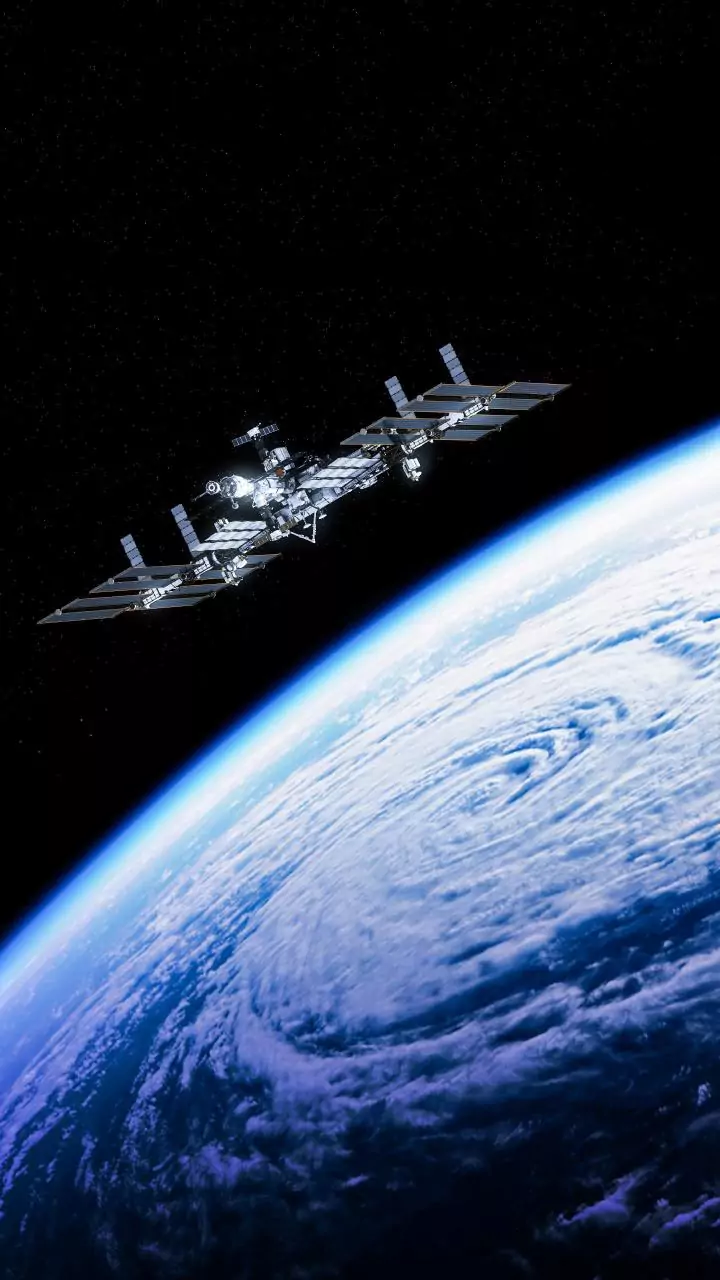
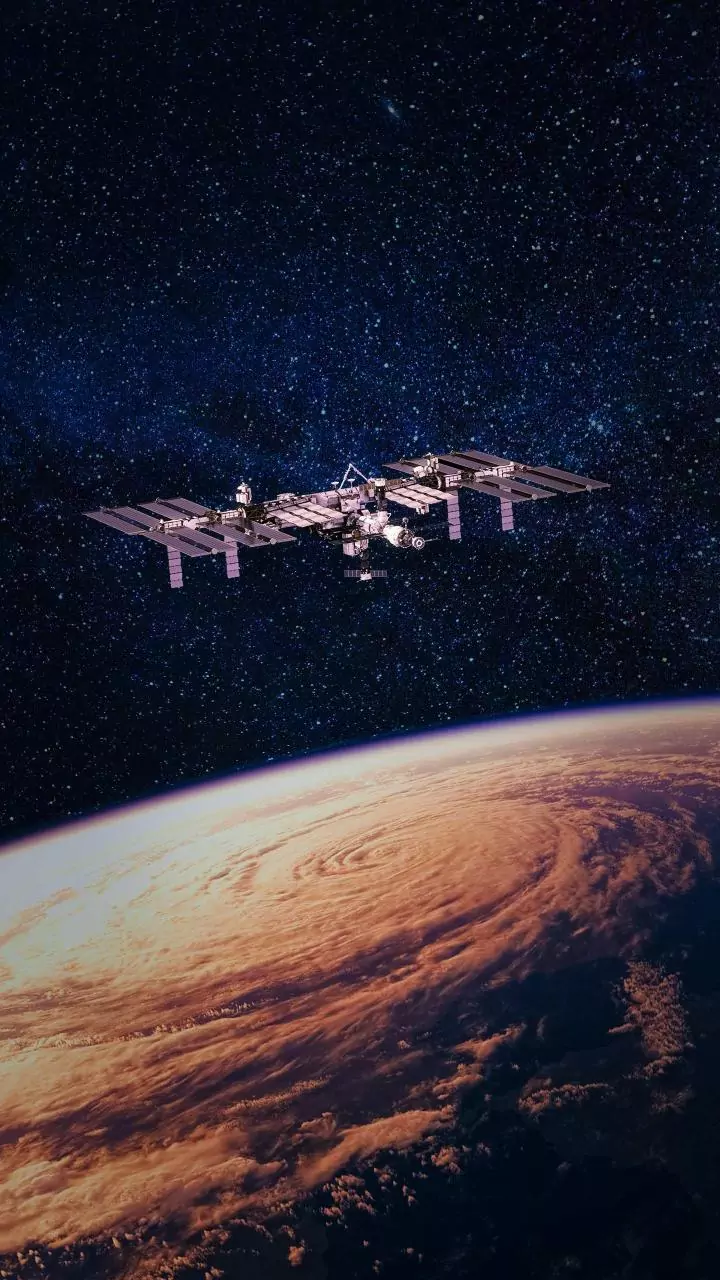
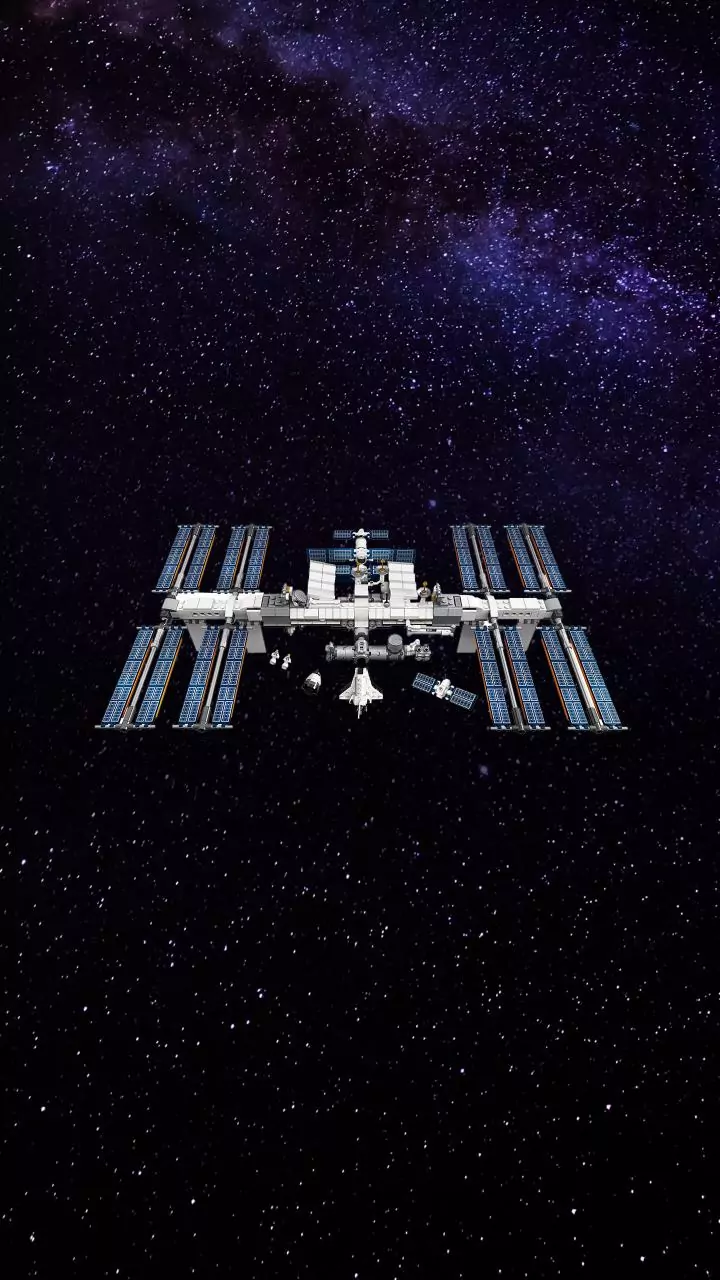
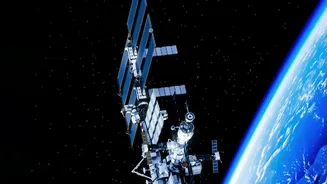
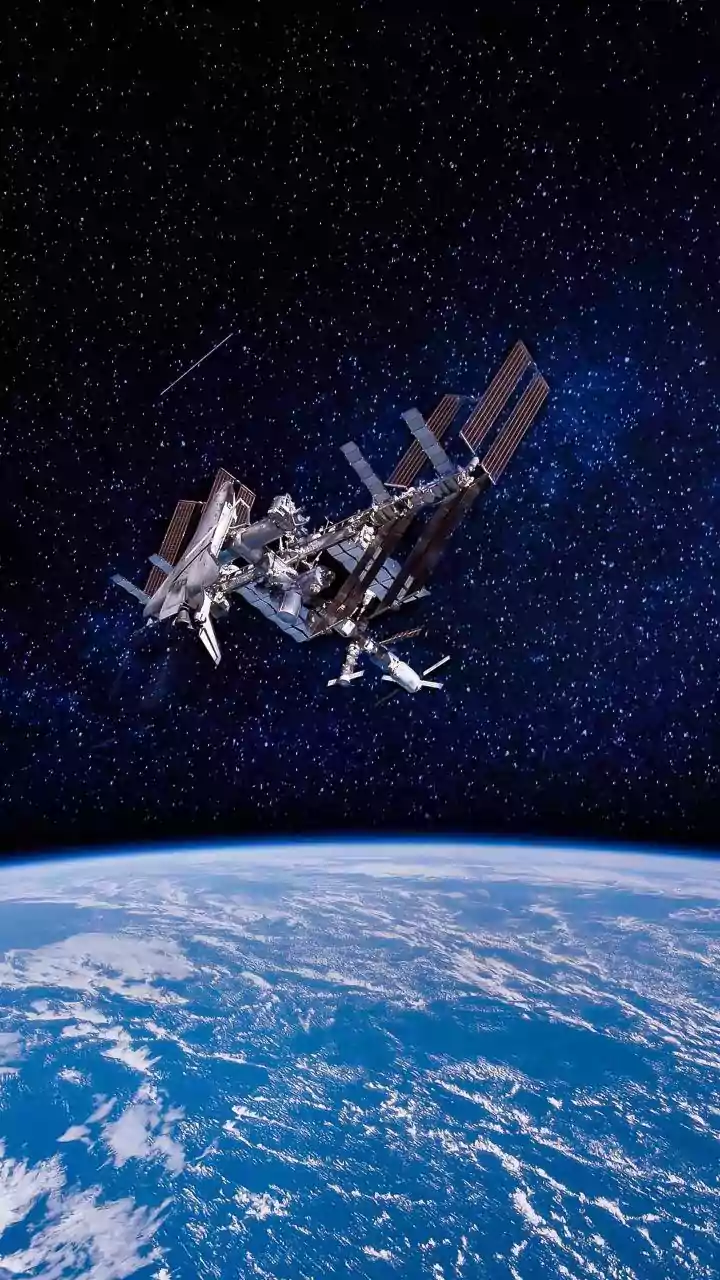
When you think of a space station, you probably picture the rigid, metallic cylinders of the International Space Station (ISS). But the future of orbital habitats looks very different. Companies are now perfecting inflatable modules, a technology that
has been in development for decades but is finally ready for prime time. These aren't simple balloons; they are advanced structures made from multiple layers of high-tech, flexible fabrics similar to Kevlar. Packed tightly for launch, they can fit inside a standard rocket fairing. Once in orbit, they expand to create voluminous living and working areas, offering far more space for the same launch weight compared to their metal counterparts. This 'pack small, expand big' advantage is a game-changer, drastically reducing launch costs and complexity.
The Commercial Space Race Heats Up
With the ISS scheduled for retirement around 2030, a new commercial race is on to build its successors, and inflatable technology is at the heart of it. Sierra Space is a major player with its LIFE (Large Integrated Flexible Environment) habitat, which has undergone successful ground tests that have exceeded NASA's safety requirements. LIFE modules are planned as core components of Orbital Reef, a commercial space station being developed with Blue Origin. Another key company, Axiom Space, is building its own commercial station that will initially attach to the ISS before becoming independent. Axiom is also contracted to manufacture an inflatable module designed as a media and entertainment venue, demonstrating the versatile applications of the technology. Meanwhile, companies like Vast are also pushing forward with plans for the first entirely private stations, signaling a major shift from government-led orbital infrastructure to a new commercial model.
A Laboratory with a View
The single biggest advantage of these expansive new modules is the sheer volume they provide for science. The cramped quarters of older stations limited the scale and type of research that could be conducted. Inflatable habitats will offer vast, open labs dedicated to advanced research and in-space manufacturing. Scientists are eager to use these platforms for breakthroughs in fields that are difficult or impossible to study with gravity's influence. This includes growing flawless crystals for next-generation electronics, 3D-printing human organs that don't collapse under their own weight, and developing new life-saving pharmaceuticals. The unique microgravity environment allows for processes and discoveries that could have profound impacts back on Earth, and having more room to work is critical to unlocking that potential.
Built to Withstand the Void
A common question about inflatable modules is their durability. Can a 'soft' structure really survive the harsh environment of space? The answer is a resounding yes. The multi-layer shell of these habitats is engineered to be incredibly tough. Extensive testing, including hypervelocity impact tests that simulate strikes from micrometeoroids and orbital debris, has shown that these flexible walls can be even more resilient than traditional aluminum structures. The layers are designed to disperse the energy of an impact, preventing a catastrophic puncture. Furthermore, the materials can offer superior protection against the constant bombardment of space radiation, a critical factor for ensuring the long-term health of astronauts on extended missions.