







Why Prune During the Monsoon?
Pruning during the monsoon might seem counterintuitive, but it offers distinct advantages. The high humidity and active growth period mean many plants recover quickly from trimming. A strategic prune now encourages bushier growth and can even lead to
another flush of flowers. More importantly, thinning out dense foliage improves air circulation, which is critical for preventing the fungal diseases that thrive in damp, humid conditions. Removing dead, damaged, or weak branches is also a crucial task, as these can become entry points for pests and diseases.
Know Your Plant's Goal
The golden rule of August pruning is to understand why you are growing a particular plant. Is it for its vibrant flowers, delicious fruit, or lush foliage? The answer determines whether you should prune it now. Plants that have finished their flowering cycle are often prime candidates for a trim, while those preparing to fruit or flower should be left alone. This distinction is the key to using the August pruning window effectively without accidentally sacrificing future yields or blooms.
Green Light: Plants to Prune Now
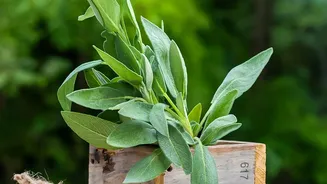
Many common Indian garden plants respond exceptionally well to a mid-monsoon trim. Flowering shrubs like Hibiscus, Jasmine (Mogra), Ixora, and Bougainvillea can be lightly pruned after their main blooming period to encourage fresh growth for the next cycle. This is also an excellent time to shape foliage plants and herbs that may have become leggy due to rapid monsoon growth. Trimming curry leaf plants can result in bushy growth with plenty of leaves. Similarly, giving Holy Basil (Tulsi) a light trim prevents it from becoming woody and encourages tender new leaves.
Yellow Light: Prune with Caution
Some plants require a more considered approach. Roses, for instance, can be deadheaded—the practice of removing spent blooms—to encourage new flowers. However, major structural pruning is often best saved for after the monsoon to avoid fungal infections on fresh cuts. For some fruit trees like guava, light pruning can be beneficial to manage the canopy and encourage the shoots that will bear fruit. However, it's critical to know the specific fruiting habit of your tree, as you want to avoid cutting off the wood that will produce your next harvest.
Red Light: Plants to Leave Untouched
Patience is a virtue, especially with certain plants. If a plant is currently forming flower buds or young fruit, hold off on pruning. For example, fruit trees like mango are often preparing for their next cycle and should not be disturbed. Pruning them now could remove the very branches poised to give you a harvest. The same applies to shrubs that bloom on old wood, meaning next year's flower buds are already forming. Aggressive pruning during heavy rains can also stress plants and slow their recovery, so it's wise to wait for a drier spell even for plants on the 'green light' list.
The Right Technique Matters
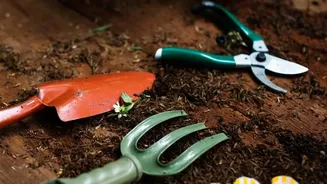
Regardless of the plant, always use clean, sharp tools like secateurs or pruning shears. Jagged cuts from dull tools can damage the plant and create an easy opening for disease. Make your cuts at a slight angle, just above a leaf node, to encourage new growth in the desired direction. For larger branches, ensure you don't leave a stub, but also avoid cutting flush with the main stem. After pruning, especially during the humid monsoon, it's a good practice to monitor the plant for any signs of stress or disease.