


1. Bajra (Pearl Millet)
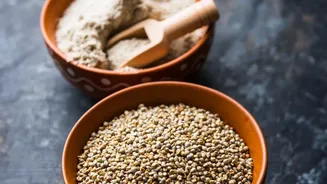
A staple in states like Rajasthan and Gujarat, bajra is the quintessential winter millet for a reason. According to Ayurveda, it has a warming effect on the body, making it perfect for colder months. This gluten-free grain is a powerhouse of nutrients,
including protein, iron, magnesium, and fibre. Its high fibre content aids digestion and prevents constipation, which can be common in winter. The complex carbohydrates in bajra provide sustained energy, keeping you active and warm throughout the day. Enjoy it as traditional rotis with a dollop of ghee, or in a hearty khichdi.
2. Ragi (Finger Millet)
While bajra provides warmth, ragi is celebrated for its incredible nutrient density, particularly its high calcium content, making it excellent for bone health during the less sunny months. It's also rich in iron, which helps combat fatigue. Though some consider it cooling, its nutrient profile makes it a valuable addition to any winter diet, supporting overall strength and immunity. Its high fibre content promotes satiety, aiding in weight management. Incorporate ragi into your diet through dosas, porridges, or nutritious laddoos.
3. Sarson (Mustard Greens)
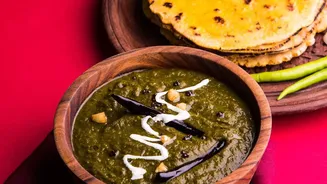
Winter in North India is incomplete without the iconic Sarson ka Saag. These pungent, flavourful leaves are more than just a culinary delight; they are a nutritional powerhouse. Packed with Vitamins A, C, and K, mustard greens are crucial for boosting immunity, improving vision, and ensuring bone health. They are also a great source of dietary fibre, which supports a healthy digestive system. The antioxidants present in sarson help fight inflammation. Slow-cooked with spices, ginger, and garlic, this dish is the perfect winter comfort food.
4. Palak (Spinach)
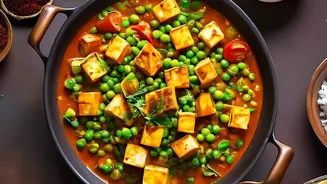
Spinach is a versatile and widely available winter green that deserves a spot on your plate. It is an excellent source of iron, calcium, and folate. Its rich vitamin and mineral content helps bolster the immune system and maintain energy levels. Unlike the bolder flavour of mustard greens, spinach is mild and cooks down quickly, making it easy to add to a variety of dishes like dal, sabzis, or the ever-popular palak paneer. Its fibre and water content also contribute to better digestion.
5. Shakarkandi (Sweet Potato)
One of winter's most comforting offerings, sweet potatoes are naturally sweet, starchy, and warming. They are an outstanding source of Vitamin A in the form of beta-carotene, an antioxidant that supports immune function and eye health. Rich in fibre, sweet potatoes provide slow-releasing energy that keeps you full and satisfied. They are incredibly versatile and can be enjoyed simply roasted or steamed with a sprinkle of chaat masala, mashed into tikkis, or added to sabzis.
6. Mooli (Radish)
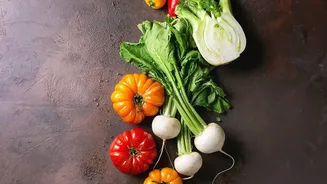
Often underappreciated, the crisp and peppery radish is a fantastic winter root vegetable. Radishes are low in calories but high in water and fibre, which aids digestion. They are a good source of Vitamin C, an important antioxidant that helps boost the immune system. Traditionally, not just the root but also its leaves are used in Indian cooking, often in sabzis or stuffed in parathas, ensuring no part of this nutritious plant goes to waste. Whether eaten raw in salads, pickled, or cooked in a sabzi, mooli adds a distinctive zest to winter meals.
7. Shalgam (Turnip)
Turnips are a humble but hardy winter vegetable that are both filling and nutritious. They are a good source of Vitamin C and contain a surprising amount of calcium, contributing to bone health. With their mildly sweet and earthy flavour, turnips absorb spices well, making them a great addition to mixed vegetable curries, stews, and soups. Like radishes, their greens are also edible and packed with nutrients. Slow-cooking brings out their subtle sweetness and makes them a comforting part of a winter thali.