


A Nutritional Upgrade from Traditional Snacks
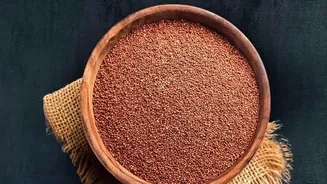
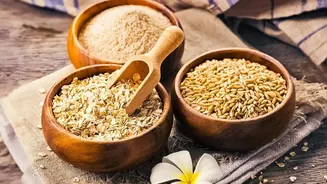
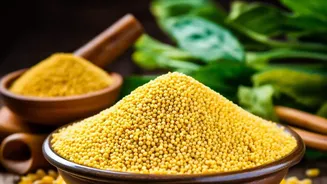
The primary driver behind this shift is a collective health awakening. Unlike traditional snacks made from refined wheat flour (maida), millets like jowar, bajra, and ragi are nutritional powerhouses. They are naturally gluten-free, rich in dietary fibre,
protein, and essential minerals like iron and magnesium. This impressive profile helps in better digestion, weight management, and provides sustained energy without the sugar crash associated with processed carbs. For a growing number of health-conscious urbanites, especially those managing diabetes or gluten sensitivity, the low glycemic index of millets makes them a superior and conscious choice.
From Rural Staple to Urban Superfood
For decades, millets were often perceived as humble, rural grains, overshadowed by wheat and rice. However, a cultural rebranding is well underway. Today, these ancient grains are celebrated as 'superfoods' in urban circles. This renaissance is partly fuelled by a renewed interest in traditional, sustainable foods that are rooted in Indian agriculture. Choosing millets is now seen as an environmentally responsible choice, as these crops are climate-resilient and require far less water than wheat and rice. This alignment of health and sustainability resonates deeply with modern urban values.
The Government Push and Renewed Awareness
The momentum isn't just grassroots; it's also government-backed. India's championing of 2023 as the 'International Year of Millets' significantly boosted public awareness. This initiative sparked conversations, inspired culinary innovation, and put millets back on the national stage, encouraging consumers to rediscover their benefits. This top-down push helped normalise millets, moving them from niche health food stores to mainstream supermarket shelves and making them a familiar sight in urban kitchens.
Unlocking Culinary Creativity at Teatime
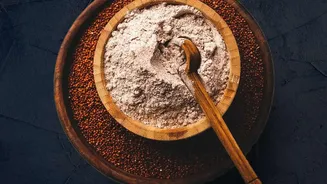
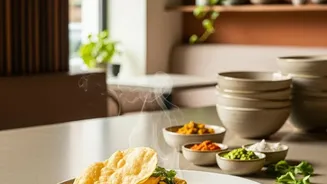
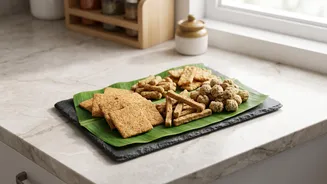
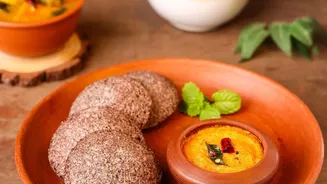
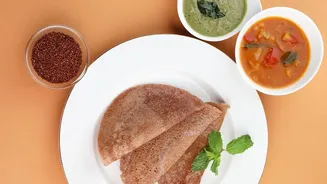
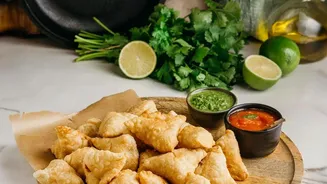
Perhaps the most exciting part of this trend is the sheer culinary versatility of millets. Home cooks are no longer limited to making just roti or porridge. They are experimenting with a vast array of savoury and sweet snacks perfect for teatime. The market has responded with innovative products, from ready-to-use multi-millet flour to baked snacks. Creative home cooks are whipping up everything from baked ragi chaklis and bajra mathris to millet dhoklas, cutlets, and even cookies and crackers. This creative explosion proves that healthy snacking doesn't have to be boring; millet-based treats can be just as crunchy, flavourful, and satisfying as their traditional counterparts.
Convenience is Key for the Modern Cook
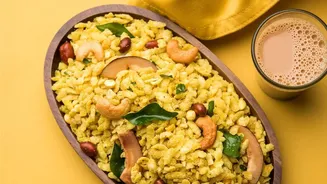
The modern urban lifestyle is hectic, and convenience is non-negotiable. The millet trend has succeeded largely because the food industry has made it easy to adopt. Supermarkets and online stores are now stocked with a wide range of millet flours, instant mixes, and ready-to-eat snacks like millet puffs, chips, and granola bars. This accessibility removes the barrier of complex preparation, allowing busy home cooks to effortlessly incorporate these healthy grains into their evening snack routine without sacrificing time or taste. The availability of these convenient options ensures that the shift towards millets is not just a fleeting trend but a sustainable lifestyle change.