








The Challenge of Urban Flooding
Every year, scenes of waterlogged streets, submerged vehicles, and inundated homes plague major Indian cities. This isn't just a consequence of heavy rain; it's a complex urban planning failure. Rapid, often unplanned, urbanisation has led to the concreting
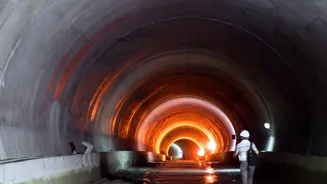
of natural soil and the disappearance of water bodies like lakes and wetlands that once acted as natural sponges. Drains are often choked with silt and solid waste, and existing stormwater infrastructure is frequently overwhelmed by the sheer volume of water from intense, short-duration downpours, a hallmark of our changing climate. This combination creates a perfect storm for flash floods, turning a seasonal monsoon into a recurring urban disaster that disrupts lives and causes significant economic damage.
Enter the Smart Drainage System
Instead of relying solely on reactive measures like clearing drains after they are already clogged, cities are turning to technology for a smarter, more predictive approach. A smart drainage monitoring system is essentially a network of sensors and software designed to watch over a city's drainage network in real-time. Think of it as a nervous system for the city's drains. This network is built on the Internet of Things (IoT), connecting physical devices to a central digital platform. By gathering constant streams of data, these systems allow authorities to see what's happening underground and in the drains before a crisis unfolds on the surface.
How the Technology Works
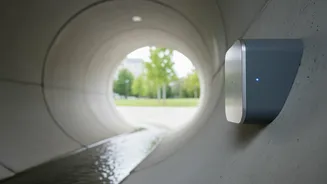
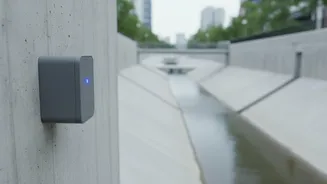
The core of the system lies in various types of sensors. Ultrasonic or radar-based sensors are installed in stormwater drains (rajakaluves) at critical, flood-prone locations. These devices measure the water level continuously. Alongside these are telemetric rain gauges that provide real-time data on rainfall intensity. All this information is transmitted wirelessly to a central control room. In Bengaluru, for instance, this data is sent to the Karnataka State Natural Disaster Monitoring Centre (KSNDMC). Some systems also incorporate IP cameras to visually monitor key points, which can help identify if a blockage is caused by solid waste, triggering an alert for cleanup crews.
From Data to Public Alert
Gathering data is only half the battle; the real value is in turning that data into a timely warning for residents. When sensors detect that water levels in a drain are rising dangerously—for example, reaching 80% of capacity—the system automatically triggers an alert. This alert is sent to various stakeholder departments, such as disaster management teams and municipal officials, so they can mobilise. Crucially, the system also translates this information into public-facing notifications. These can be sent as SMS alerts to residents in vulnerable areas, as push notifications through dedicated mobile apps like Bengaluru's 'Megha Sandesha', or broadcast through public address systems. This gives people critical time to move valuables, secure their homes, or even evacuate if necessary, transforming a sudden disaster into a predictable event.
Implementation Across Indian Cities
Several Indian cities are already deploying these technologies. Bengaluru has been a pioneer, developing a system with the Indian Institute of Science and installing over a hundred water level sensors and cameras across flood-prone areas. Chennai has also launched a comprehensive real-time flood forecasting system, considered the first of its kind for a major Indian metro, which integrates hydrology models and data from hundreds of sensors. Mumbai's 'iFLOWS' system and initiatives in Coimbatore and other cities under the Smart Cities Mission show a growing trend towards using technology to manage this perennial urban problem. However, challenges remain, including the high cost of maintenance and issues like sensor theft or damage, which can affect reliability.