






Visa and Entry: The Latest Rules
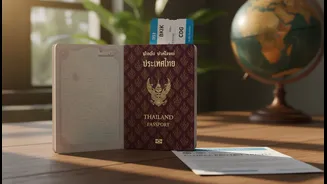
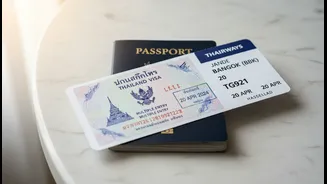
The most crucial part of your Thailand plan is understanding the current visa situation, which has seen recent changes. As of mid-July 2026, Thailand's cabinet has approved a 30-day visa-free entry for Indian passport holders. This decision came after
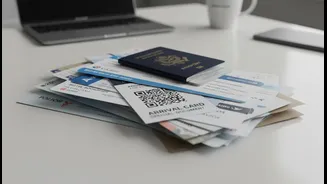
a period of uncertainty where a longer 60-day visa exemption was reviewed and ultimately revised. The new 30-day stay aligns with the typical travel duration for Indian tourists, which averages around seven days, and avoids the more cumbersome Visa on Arrival process. For a smooth entry, all travellers must complete the Thailand Digital Arrival Card (TDAC) online within 72 hours before arrival. This is a mandatory step that replaces the old paper forms and generates a QR code you'll need at immigration.
Your Document Checklist
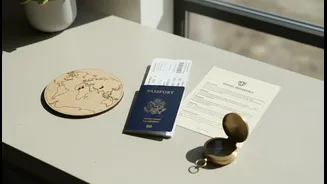
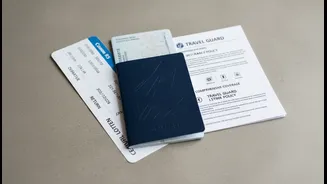
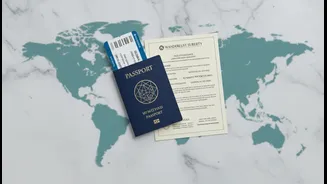
Being prepared with the right documents is non-negotiable. Thai immigration officials are known to conduct random checks, and having your paperwork in order prevents any stress at the border. First, ensure your passport is valid for at least six months from your date of entry. You will also need a confirmed return or onward flight ticket and proof of accommodation for your stay, such as hotel booking confirmations. While visa-free, you may still be asked for proof of sufficient funds. The recommended amount is at least 10,000 THB per person or 20,000 THB per family, which can be in cash or proven via bank statements. It's wise to have this ready. Keep digital and physical copies of all essential documents in a separate, easily accessible folder.
Money Matters: Cash, Cards, and Apps
Thailand’s currency is the Thai Baht (THB), and while the country is modernising, cash remains king, especially at smaller restaurants, street food stalls, and local markets. It is highly recommended to carry a certain amount of cash. While some sources suggest carrying up to 20,000 THB per person, having around 10,000 THB for initial expenses is a good starting point. Credit and debit cards are widely accepted in major hotels, large restaurants, and shopping malls in cities like Bangkok and Phuket. However, be aware of foreign transaction fees. For a balance, use a combination of cash for daily expenses and cards for larger, more secure payments. Enquire about forex cards from your bank before you leave, as they often offer better exchange rates and lower fees.
Health, Safety, and Insurance
Travel insurance is strongly recommended for any international trip, and Thailand is no exception. A good policy should cover medical emergencies, hospitalisation, trip cancellations, and lost baggage. Thailand has excellent private hospitals, but treatment can be expensive without insurance. For general health, ensure your routine vaccinations are up to date. Pack a small first-aid kit with essentials like antiseptic wipes, bandages, pain relievers, and any personal medications with their prescriptions. It's also wise to carry mosquito repellent, particularly if you plan to visit islands or forested areas. Always drink bottled water and be cautious with street food; look for stalls that are busy with locals, as this is often a sign of good hygiene and quality.
Packing Smart for the Tropics
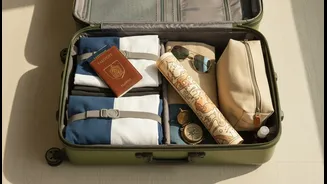
Thailand’s tropical climate demands light, breathable clothing. Cotton and linen fabrics are your best friends. Pack a mix of shorts, t-shirts, and comfortable walking shoes for city exploration. For visiting temples, you must dress modestly, which means covering your shoulders and knees. A sarong or a light scarf is a versatile item to carry for this purpose. Don’t forget your swimwear, reef-safe sunscreen to protect marine life, a hat, and sunglasses. A waterproof bag or dry bag is invaluable for boat trips and island hopping to protect your electronics. Thailand uses Type A, B, and C power outlets, so a universal travel adapter is a must-have item for charging your devices.
Connectivity and Apps
Staying connected is easy in Thailand. You can purchase a local SIM card at the airport upon arrival from providers like AIS, DTAC, or TrueMove H, which offer affordable tourist packages with generous data allowances. Alternatively, if your phone supports it, you can buy an eSIM online before your trip from services like Airalo. Essential apps to download include Google Maps for navigation, Grab (Southeast Asia’s Uber) for booking taxis and food delivery, and Google Translate for communicating with locals. Having these tools on your phone will make navigating the country significantly easier and more enjoyable.