






A Monsoon on the Edge
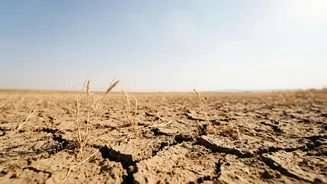
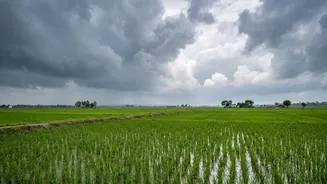
The 2026 monsoon season has been a story of volatility. After a significant deficit in June, rainfall recovered in July only to weaken again in August, which was one of the driest in years. The India Meteorological Department (IMD) has forecast a below-normal
monsoon for September, raising concerns across the agricultural sector. This is happening under the influence of strong El Niño conditions in the Pacific Ocean, a weather pattern often associated with drier monsoons in India. With the country having experienced a cumulative rainfall deficit of nearly 14% between June and August, the performance of the monsoon in its final month is now crucial.
Kharif Crops in the Balance
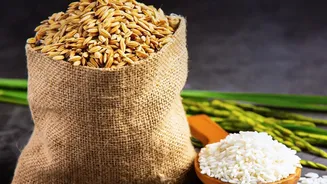
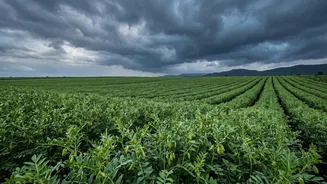
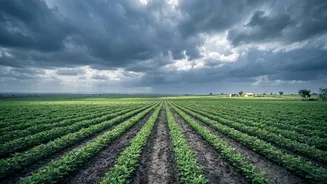
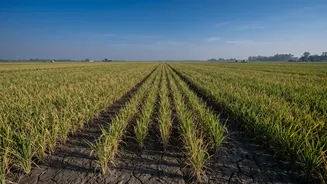
September rainfall is vital for the health of standing Kharif (summer-sown) crops, particularly for their final growth and grain-filling stages. Key staples like rice, pulses, soybeans, and sugarcane are highly dependent on adequate moisture during this period. While sowing has picked up since July, the acreage for critical crops like rice and some pulses was still lagging behind last year's levels as of late August. A dry September could stress these crops, potentially reducing yields. According to the USDA's Foreign Agricultural Service, weak rainfall may cut India's rice production by about 4.5% and corn output by 9.3% this year. This directly threatens to tighten the supply of essential food commodities.
From Field to Kitchen: The Price Connection
Reduced crop output has a direct ripple effect on inflation. Food prices have already been on an upward trend, with food inflation rising to 5.52% in July 2026. This was the highest level recorded this year and a key driver of the overall retail inflation, which hit a 19-month high. A poor harvest due to a weak September monsoon would further squeeze supplies, pushing wholesale prices up. This increase is eventually passed on to consumers in urban and rural markets, impacting household budgets. The finance ministry has already noted that protein-rich items and edible oils are contributing significantly to food price pressures, a trend that could be exacerbated by poor oilseed harvests.
The Reservoir Link to Winter Crops
September's importance extends beyond the Kharif season. The rainfall during this month is critical for replenishing India's reservoirs. These water levels are essential for the upcoming Rabi (winter) sowing season, which relies heavily on irrigation. As of early August, reservoir levels were significantly behind the previous year's figures, with a deficit of about 20 percentage points in comparable dams. While some regions like Maharashtra had healthy storage, key agricultural states in central and southern India faced shortfalls. Insufficient rain in September would mean lower reservoir levels, jeopardizing the water supply for winter crops like wheat and mustard, potentially creating a longer-term inflationary cycle.
Government on High Alert
The government and the Reserve Bank of India are watching the situation closely. With food prices forming a large part of the Consumer Price Index (CPI), any spike poses a risk to overall economic stability. If a weak September monsoon leads to a significant shortfall in agricultural production, the government may need to step in with measures to control prices. These could include releasing stocks from reserves, placing limits on exports of essential commodities like rice, or adjusting import duties to ease domestic supply constraints. In fact, the government has already allowed duty-free sugar imports for the first time in nearly a decade to manage a domestic shortage, signaling its readiness to act.