





The Paralysis of Perfection
In the face of a mounting climate crisis, it’s easy to feel overwhelmed. Many of us are met with a constant stream of advice: go vegan, stop flying, adopt a zero-waste lifestyle, and install solar panels. Social media often showcases images of 'perfect'
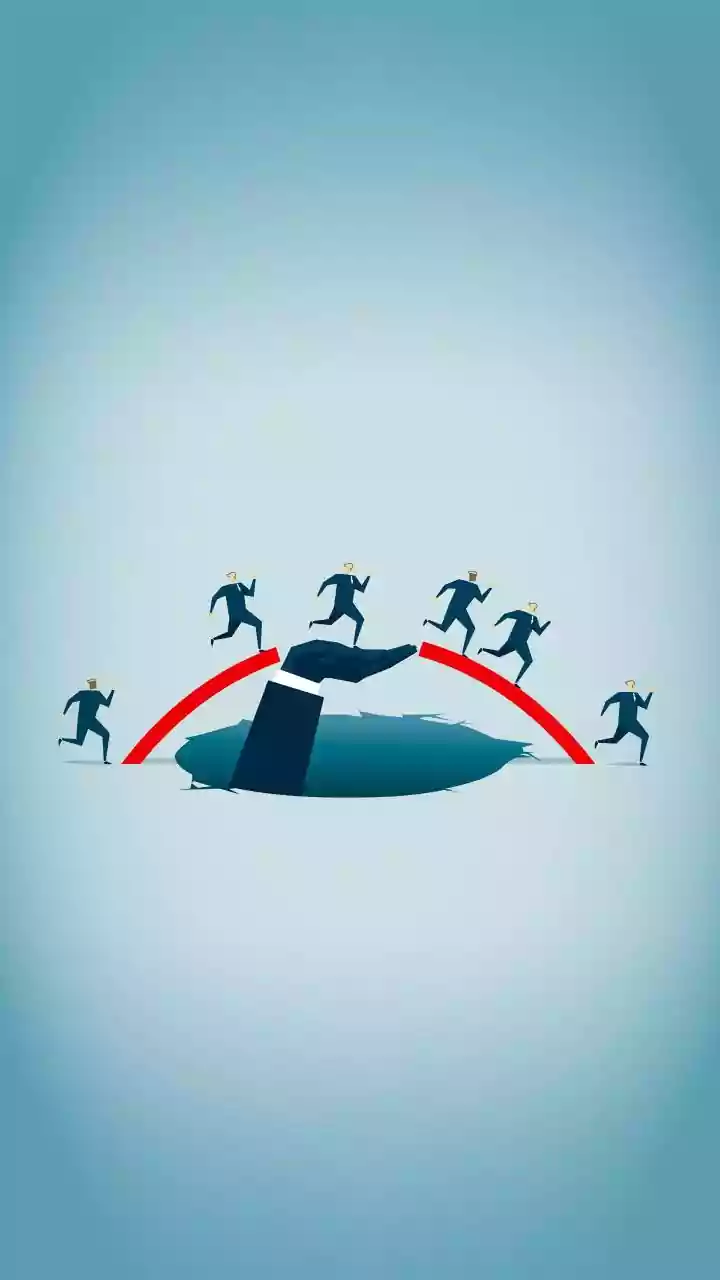
eco-lifestyles, creating an impossibly high standard that feels unattainable for most people juggling work, family, and finances. This creates a phenomenon known as 'eco-perfectionism,' a mindset where anything less than total commitment feels like failure. The result isn't a world of flawless environmentalists; it's often a world of paralysis. When the bar is set too high, many people disengage entirely, believing their small, imperfect efforts are pointless. This guilt and anxiety can be counterproductive, leading to inaction rather than the widespread participation we desperately need.
Embracing 'Good Enough' Action
The antidote to this paralysis is the concept of 'imperfect environmentalism'. This movement champions the idea that we don't need a handful of people doing sustainability perfectly; we need millions doing it imperfectly. It’s about progress, not purity. The principle of 'good enough'—a concept borrowed from engineering and design—argues that a functional solution now is better than a perfect one that never arrives. Applied to climate, this means celebrating the small, cumulative wins. Maybe you can’t afford an electric vehicle, but you can commit to using public transport more often. Perhaps going fully vegan is too difficult, but reducing meat consumption is achievable. These actions, sustained over time by many, create real momentum and build new, more sustainable social norms.
Beyond Individual Guilt to Systemic Change
Critically, an overemphasis on individual choices can distract from a much larger issue: the need for systemic change. While personal habits like recycling are valuable, they cannot substitute for large-scale policy reforms, corporate accountability, and investments in green infrastructure. Shaming someone for using a plastic straw ignores the fact that industries continue to produce billions of them. The debate should not be a false choice between individual and systemic change; the two are deeply connected. Individual actions are powerful signals that drive demand for better systems. When enough people choose sustainable options, it creates political and economic pressure for governments and corporations to provide them at scale. Our role as citizens extends beyond our shopping carts to our voting booths and our voices in community advocacy.
Pragmatism Is the New Perfection
A pragmatic approach accepts that we live in a world not yet built for perfect sustainability. It's about doing what you can, where you are, with what you have. This mindset shifts the focus from moral failure to practical problem-solving. Research from behavioral science shows that people are motivated to act when they believe their actions are effective and part of a larger, successful effort. Instead of getting stuck on what we can't do, we should focus on what we can. This could mean supporting businesses with strong sustainability practices, advocating for better public transit in your city, or simply talking to friends and family about the changes you’re making. Every action, no matter how small, contributes to a ripple effect, normalizing sustainable behaviours and building a culture of environmental consciousness.