

The ‘Superfood’ Overload
The modern wellness conversation is dominated by exotic ingredients. From chia seeds to acai berries, these globally marketed 'superfoods' promise a quick fix for our health woes. While many of these foods are indeed nutritious, their rise has created
a subtle but pervasive myth: that what we've always eaten is somehow less healthy. This push towards international trends often overlooks the immense nutritional power and suitability of the foods our bodies are accustomed to. Nutritionists increasingly recommend eating local produce, as it's often better suited for our bodies and environment. The conversation needs a shift from expensive, imported fads to sustainable, local wisdom.
Millets: The Original Ancient Grains
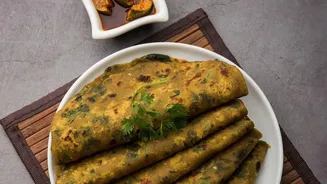
Long before quinoa became a household name, Indian homes were powered by millets like jowar (sorghum), bajra (pearl millet), and ragi (finger millet). These grains are making a major comeback, and for good reason. They are nutritional powerhouses, rich in protein, fibre, and essential minerals like iron and calcium. Jowar, for instance, is excellent for managing blood sugar due to its high fibre content and low glycemic index. Bajra is packed with iron and magnesium, while ragi is one of the best natural sources of calcium. Unlike many imported grains, millets are naturally gluten-free, drought-resistant, and perfectly suited to India's climate, making them a more sustainable choice for both our bodies and the planet.
The Unbeatable Power of Dal and Legumes
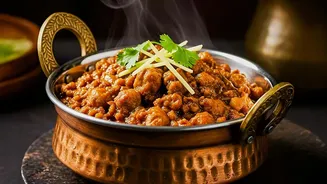
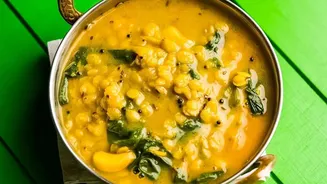
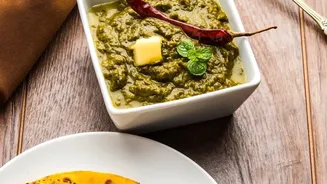
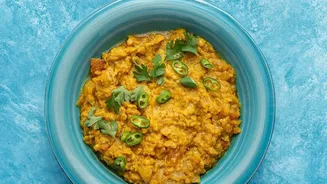
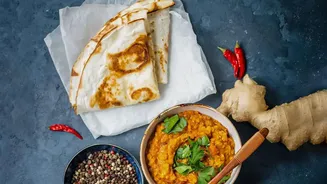
The humble dal is the cornerstone of Indian cuisine and a nutritional masterpiece. A simple meal of dal and rice or roti creates a complete protein, providing all the essential amino acids your body needs. Lentils and legumes like chickpeas (chana) are packed with plant-based protein, dietary fibre, iron, and folate. This high fibre content keeps you feeling full for longer, provides sustained energy, and promotes digestive health. Home-style Indian cooking, which centers around dishes like dal, vegetable sabzis, and yogurt, is a far cry from the heavy, cream-laden versions often found in restaurants. It's a balanced system that has nourished generations.
Ghee: The Good Fat We Got Right
For years, ghee was unfairly villainized. Now, science is catching up to what our grandmothers always knew: pure ghee, when used in moderation, is a healthy fat. Unlike many refined vegetable oils that break down at high temperatures, ghee has a high smoke point, making it a safer and more stable medium for Indian cooking. It is a source of fat-soluble vitamins like A, D, E, and K, which are crucial for immunity and cellular health. Ghee also contains butyric acid, a short-chain fatty acid that supports gut health. While it's important to be mindful of its saturated fat content, incorporating a teaspoon of ghee on your roti or dal can enhance flavour and aid in nutrient absorption.
Your Spice Box is a Pharmacy
Indian spices do more than just add flavour; they are potent medicinal agents. Turmeric contains curcumin, a compound with powerful anti-inflammatory and antioxidant properties. Cumin and coriander aid digestion, while ginger and garlic are known for their immune-boosting benefits. These spices are not mere flavourings but an integral part of a holistic approach to wellness that has been part of Indian food culture for centuries. The traditional use of these spices turns a simple meal into a functional food that supports digestion, fights inflammation, and bolsters the body's natural defenses.