


A Symphony of Bioluminescence
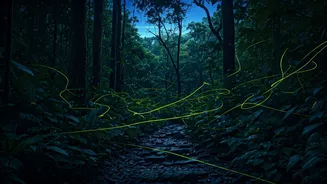
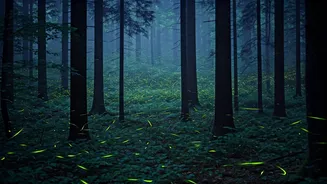
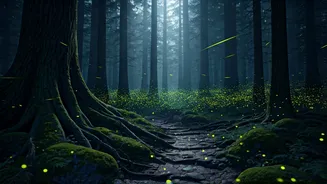
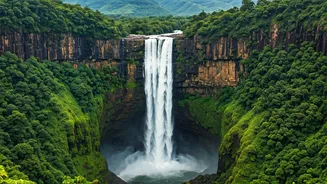
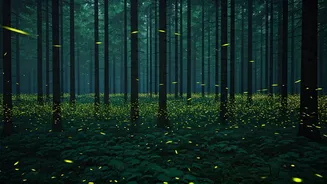
For a few short weeks every year, typically in late May and early June, something extraordinary happens in the rural hills of Maharashtra, a state in western India. Just before the heavy monsoon rains arrive to drench the subcontinent, countless fireflies
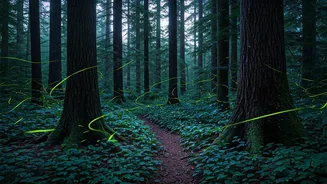
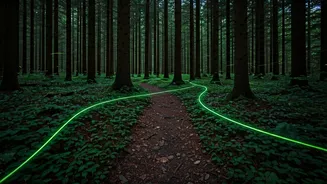
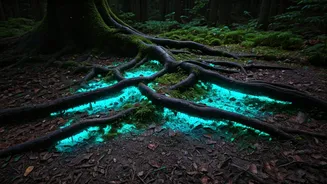
emerge for their brief but spectacular mating season. This isn’t the gentle, sporadic blinking of a few fireflies you might see in a suburban American backyard. This is a synchronized, pulsating performance on a massive scale. Entire trees and forest clearings light up in unison, with thousands of insects flashing their bioluminescent signals to attract mates. The air grows thick with these silent, moving constellations, creating an immersive, almost otherworldly experience. Scientists believe the synchronized flashing helps male fireflies stand out to females, turning the forest into a competitive, yet cooperative, theater of light.
From Local Wonder to Tourist Draw
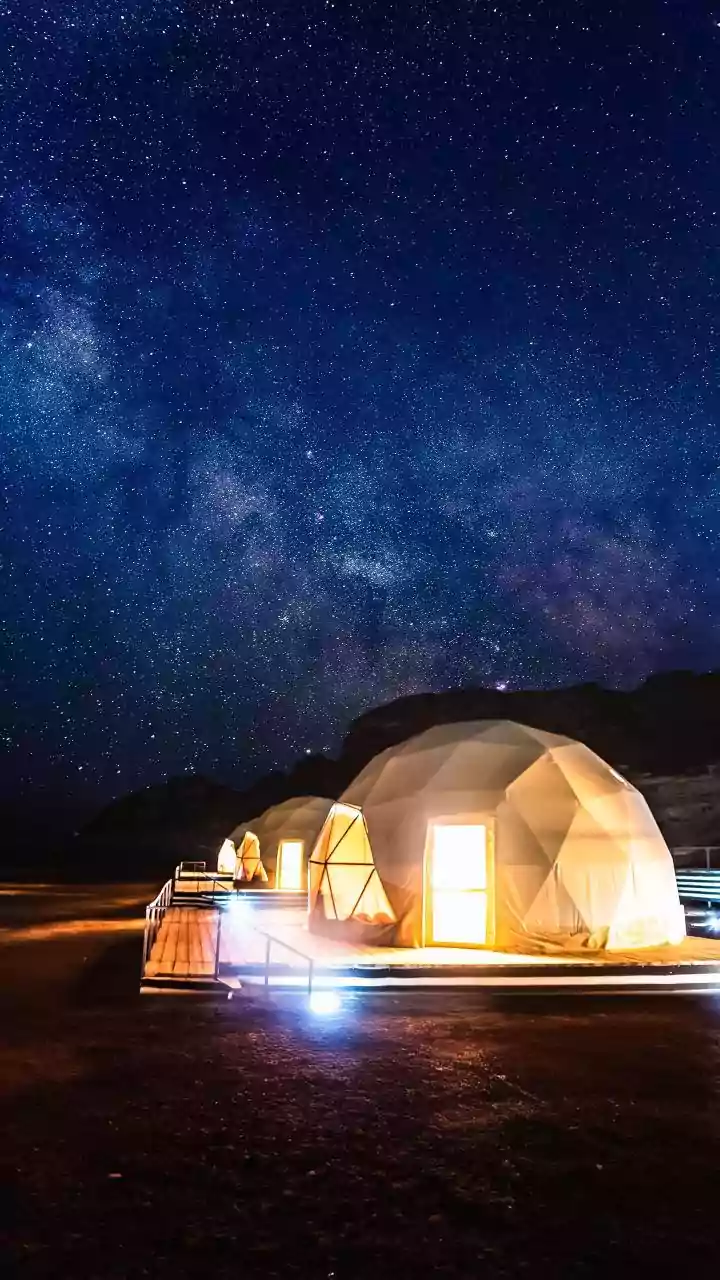
For generations, this pre-monsoon spectacle was a quiet, local secret known to the villagers of remote areas like Purushwadi, Bhandardara, Rajmachi, and the foothills of the Sahyadri mountains. In recent years, however, word has gotten out. What was once a simple natural occurrence has transformed into a series of highly anticipated “Firefly Festivals.” Eco-tourism groups and local village collectives now organize weekend trips, drawing thousands of city dwellers from nearby Mumbai and Pune, as well as international travelers seeking authentic natural wonders. These aren't festivals in the sense of music stages and food trucks. Instead, they offer a rustic, nature-focused experience: guided night treks into the woods, stays in basic campsites or village homestays, and meals consisting of simple, local cuisine. The “sold out” status refers to these organized tours and accommodations, which are often booked weeks in advance as people clamor for a spot under the shimmering canopy.
The Experience Beyond the Lights
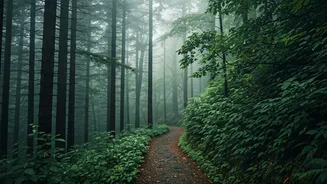
A trip to a firefly festival is about more than just the main event. It’s a journey away from the urban chaos. Visitors often spend their days trekking to old forts, exploring the lush pre-monsoon landscape, and interacting with the host communities. In places like Purushwadi, often called the “Village of Fireflies,” tourism is managed by local cooperatives, ensuring that the profits directly benefit the residents. This model provides an alternative livelihood and encourages the preservation of the local environment, which is the very thing that makes the festival possible. For travelers, it offers a glimpse into a quieter, more traditional way of life, punctuated by the high-tech magic of nature’s own light show after dark.
The Delicate Balance of Wonder and Conservation
The explosion in popularity has, however, raised concerns. The very phenomenon people come to see is fragile. The influx of tourists brings noise, trash, and, most harmfully, artificial light. The flashlights and phone screens that visitors use can disrupt the fireflies’ mating signals, threatening the very cycle that creates the spectacle. Recognizing this, responsible organizers have begun implementing stricter rules. Many tours now enforce a “red light” policy, asking participants to cover their flashlights with red cellophane, as fireflies are less sensitive to this wavelength. Some areas are designated as silent, no-flash-photography zones. It’s a delicate balancing act: leveraging a natural wonder for economic benefit while ensuring it isn’t loved to death. The future of these magical festivals depends on finding a sustainable path that prioritizes the fireflies over the perfect Instagram shot.