







From 'Styled' to 'Safe': A New Mindset
It’s easy to be tempted by a perfectly styled room in a catalogue, complete with plush new furniture and freshly painted walls. But often, that “new” smell is a red flag. Many modern building materials, furnishings, and paints release Volatile Organic
Compounds (VOCs) into the air through a process called off-gassing. Chemicals like formaldehyde, found in pressed-wood furniture, and benzene can cause everything from headaches and dizziness to more serious long-term health issues. A healthy home isn't just one that looks good; it's one that is fundamentally safe to be in. This requires shifting your focus from pure style to substance. Instead of asking, “Does this look good?” start asking, “What is this made of?” and “How will this affect my indoor air?” People spend approximately 90% of their time indoors, where air can be significantly more polluted than outdoors.
Become a Home Detective: Observe Your Air
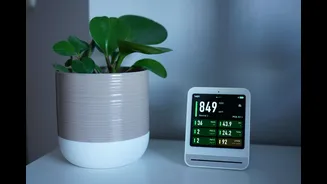
Before investing in expensive purifiers, start by simply observing your home’s air quality. Do you notice dust accumulating quickly? Are there lingering musty odours, especially in bathrooms or basements? Do windows show condensation? These are all signs that your home’s environment needs attention. High humidity can encourage the growth of mould and dust mites, which are common triggers for allergies and asthma. Your first step should be improving ventilation. Open windows daily, even for just 15 minutes, to allow fresh air to circulate and dilute indoor pollutants. Use exhaust fans in kitchens and bathrooms to remove moisture and contaminants at the source. Houseplants like peace lilies and Boston ferns can also act as natural air purifiers, absorbing some common toxins. By paying attention to these subtle clues, you can address the root cause of poor air quality rather than just treating the symptoms.
Look Closely at What You Touch Daily
The surfaces and textiles in our homes are in constant contact with our bodies. When shopping, learn to look beyond colour and texture. For paints, choose options labelled "low-VOC" or "no-VOC" to minimise harmful emissions. When it comes to textiles like bedding, curtains, and upholstery, prioritize natural fibres like organic cotton, linen, hemp, and wool. Synthetic fabrics like polyester and nylon are often derived from petroleum, can trap heat and moisture, and are sometimes treated with chemical finishes. Natural fibres are generally more breathable and less likely to irritate sensitive skin. This is especially important for items you spend a lot of time with, such as your mattress and sheets, which can off-gas chemicals from flame retardants and wrinkle-resistant treatments. Choosing natural, untreated materials is a simple swap that reduces your daily chemical exposure.
Track What You Bring Inside
A healthy home is also about being mindful of the products that cross your threshold. Scented candles, air fresheners, and many common cleaning supplies are major sources of indoor VOCs, releasing chemicals that can irritate the respiratory system. Often, the term "fragrance" on a label can hide a cocktail of undisclosed chemicals. Start observing your shopping habits. Can you swap a synthetic air freshener for an essential oil diffuser? Can you replace a harsh chemical cleaner with a simple solution of vinegar and water? Even your shoes can be a source of pollutants, tracking in pesticides and dirt from outside. Adopting a simple habit like leaving shoes at the door can significantly reduce the contaminants you bring into your living space. This observational approach helps you curate a healthier home by actively choosing what comes in and what stays out.
Listen to Your Body’s Signals
Perhaps the most important observational tool you have is your own body. Do you find yourself getting headaches only when you're at home? Are your allergies or asthma symptoms worse in certain rooms? These physical clues can be direct indicators that something in your environment is amiss. Pay attention to patterns. Maybe you feel fatigued in your home office, where a printer and new furniture could be emitting VOCs. Or perhaps you notice skin irritation after switching to a new laundry detergent. Your body often knows when something is wrong before you can consciously identify the source. By connecting how you feel to where you are, you can pinpoint problem areas and make targeted changes, turning your home into a place that truly supports your health and well-being.