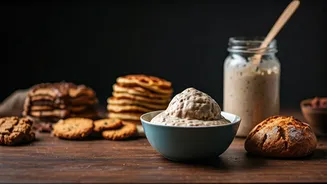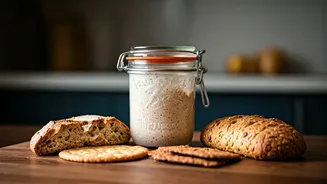



First, What Is Sourdough Discard?
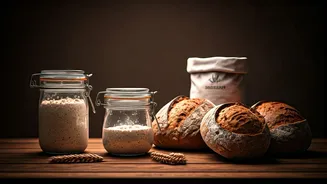
To understand the trend, you first need to know what you’re working with. A sourdough starter is a living culture of wild yeast and bacteria. To keep it healthy and active for baking bread, you have to 'feed' it regularly with fresh flour and water. Before
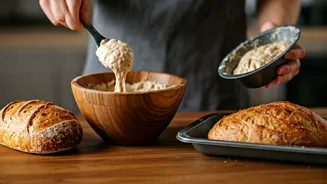
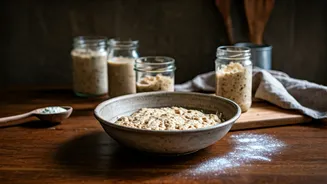
each feeding, you must remove a portion of the existing starter to keep the volume manageable and the culture balanced. That removed portion is called the 'discard'. For years, as the name implies, many bakers simply threw it away. But this isn't waste; it's a flavour-packed ingredient, full of tangy, fermented goodness, just without the leavening power to make a loaf of bread rise on its own.
The Zero-Waste Kitchen Mentality
A major catalyst for the discard craze is the growing movement towards sustainability and reducing food waste. For many home bakers, pouring perfectly good, albeit unfed, starter down the drain felt inherently wasteful. The 'waste-free' ethos encourages finding a purpose for every scrap, and sourdough discard fits perfectly into this philosophy. Using discard is a tangible way to close the loop in the kitchen, turning a byproduct into something delicious and aligning with a more mindful approach to consumption. This shift in mindset transformed the discard from a problem to an opportunity.
A Pandemic Side Effect
The 2020 lockdowns created a new generation of sourdough enthusiasts. As people across India and the world turned to baking for comfort and activity, thousands of new starters were born. Once the novelty of daily bread baking wore off, these new bakers were left with a consistent output of discard. They needed something to do with it. The internet, particularly food blogs and social media, quickly filled the void with an explosion of creative recipes, providing an answer to the question, "What do I do with all this stuff?"
The Social Media Ingredient
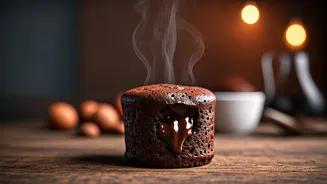
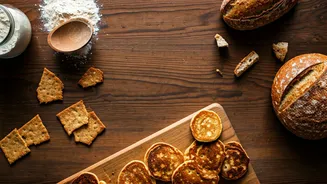
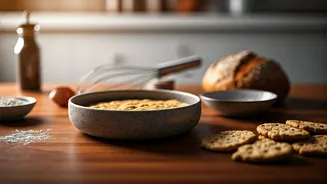
Visually driven platforms like Instagram and TikTok became the perfect showcase for discard's versatility. While a rustic sourdough loaf is beautiful, a stack of fluffy pancakes, a sheet of impossibly thin crackers, or a golden-brown batch of fudgy brownies are arguably more relatable and achievable on a weeknight. Food bloggers and influencers shared endless variations, from sourdough banana bread and biscuits to naan and chocolate chip cookies. This constant stream of accessible, tempting content demystified the discard and inspired millions to see it not as a leftover, but as the star of its own show.
Unlocking a World of Flavour
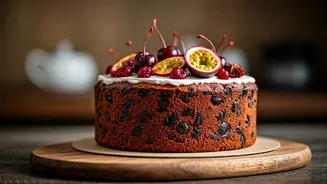
Ultimately, the trend has lasted because the results are delicious. Sourdough discard adds a complex, tangy flavour—think crème fraîche or cultured butter—that enhances both sweet and savory dishes without necessarily making them taste sour. Its acidity also tenderizes baked goods, leading to softer textures and a longer shelf life. Recipes for crackers, pancakes, waffles, muffins, and even pasta have become wildly popular because they are not only a great way to use up discard but also produce a genuinely superior product. This flavour advantage gives bakers a compelling reason to save their discard and keep the trend alive.