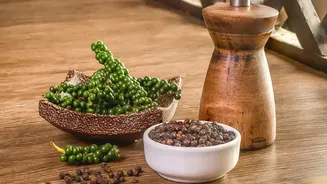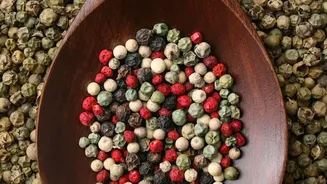

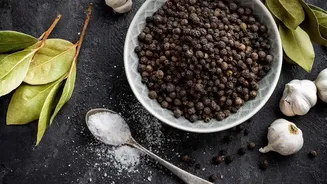
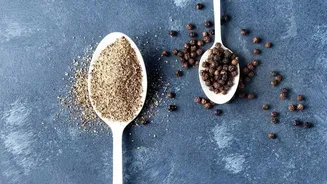
Black pepper, the 'king of spices', is a staple in every Indian kitchen. But its high value makes it a prime target for adulteration with cheaper substitutes that look surprisingly similar, posing potential health risks.
What Are The Common Adulterants?
The most common substance used
to adulterate whole black pepper is dried papaya seeds. They are cheap and, once dried, look remarkably like real peppercorns, making them difficult to spot. Other adulterants can include immature or hollow pepper berries, known as 'light berries', which lack flavour. In some cases, peppercorns are coated with mineral oil to give them a shiny, appealing look. For ground pepper, the problem can be worse, with fillers like sawdust, bran, or starch being mixed in, which are impossible to see. The primary motivation is always economic—to increase the weight and volume of the product for higher profits.
The Health Risks Of Impure Pepper
While you might think a few fake peppercorns are harmless, consuming adulterated spices can lead to several health issues. Adulterants like papaya seeds can cause stomach ailments and liver problems in some individuals. Mineral oil, a petroleum derivative, is not meant for consumption and can lead to gastrointestinal distress and other toxic effects over time. In more hazardous instances, dyes or other chemicals might be used, which can have severe long-term consequences. At its core, adulteration means you are not getting the nutritional or flavour benefits of pure pepper and may be unknowingly consuming harmful substances.
Simple Home Test 1: The Water Float Test
One of the easiest and most reliable ways to check for adulteration, recommended by the FSSAI, is the water test. Simply drop a spoonful of whole peppercorns into a glass of plain water. Pure, dense black peppercorns will sink to the bottom. Adulterants like dried papaya seeds and hollow or immature light berries are less dense and will float on the surface. This quick test immediately helps separate the good from the bad.
Simple Home Test 2: The Visual and Crush Test
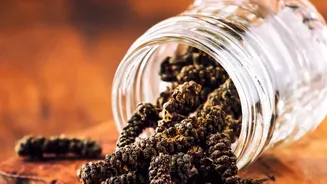
Your senses of sight and touch are powerful tools. Spread some peppercorns on a white plate. Genuine peppercorns have a deeply wrinkled surface and are typically dark brown to black. Papaya seeds, by contrast, are often more oval-shaped and have a smoother, less wrinkled texture. Next, try pressing a few corns with your finger or thumbnail. A pure, good-quality peppercorn is hard and will not crush easily. Adulterants like papaya seeds or light berries are softer and will break or crumble under pressure.
How To Check For Mineral Oil
An unnaturally uniform shine on peppercorns can be a red flag for a mineral oil coating. To check for this, rub a few peppercorns between your palms or on a piece of white paper. If they leave behind a greasy or oily sheen, they have likely been coated. Pure pepper may leave a slight dark residue but should not feel oily. The aroma test is also useful; pure pepper has a strong, pungent, and sharp smell, whereas adulterated pepper often smells weak or musty.
Tips For Buying Pure Black Pepper
The best way to avoid adulteration is to be a smart shopper. Whenever possible, buy whole peppercorns instead of pre-ground powder, as whole spices are harder to fake. Purchase spices from trusted, reliable brands and shops. Always check for proper packaging with an FSSAI license number, a clear manufacturing date, and an expiry date. Be wary of prices that seem too good to be true, as unusually cheap pepper is often a sign of low quality or adulteration. By being vigilant, you can ensure the 'king of spices' in your pantry is pure, potent, and safe.