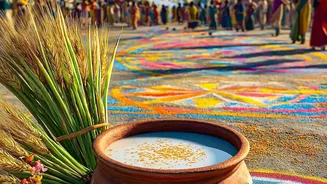


Every November, the quiet desert town of Pushkar transforms into a chaotic, colourful, and unforgettable spectacle. The Pushkar Mela is here, a mesmerising blend of commerce, culture, and spirituality that attracts hundreds of thousands of visitors.
Two Fairs in One
The
Pushkar Mela, scheduled from November 17 to November 24, 2026, is essentially two events layered on top of each other. For generations, it has been one of the world's largest camel and livestock fairs, where herders from across Rajasthan converge to trade thousands of animals. But layered over this ancient commerce is a vibrant cultural festival and an important pilgrimage. The fair's dates are determined by the Hindu lunar calendar, culminating on Kartik Purnima, the auspicious full moon day, which in 2026 falls on November 24. This dual identity is what makes the Mela a unique experience, drawing traders, tourists, and pilgrims alike.
The Heartbeat: Livestock Trading
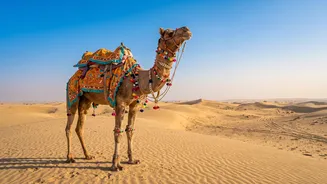
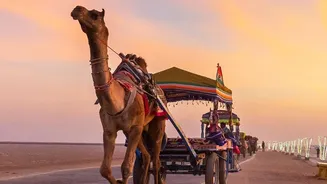
The first half of the fair, roughly from November 17 to November 20, is dedicated to its original purpose: livestock trading. The sand dunes on the outskirts of town become a sprawling marketplace for camels, horses, and cattle. This period is the Mela at its most raw and authentic. Visitors can witness traders negotiating deals, see camels being meticulously decorated with tassels and jewellery, and listen to the sounds of a bustling desert camp. For those wanting to experience the core of the fair's commercial heritage, arriving in these initial days is essential. The herders often start gathering even before the official opening, so the action can begin as early as mid-November.
A Carnival of Culture and Competition
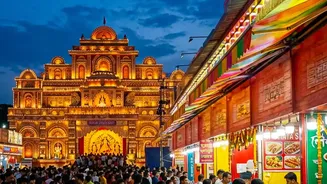
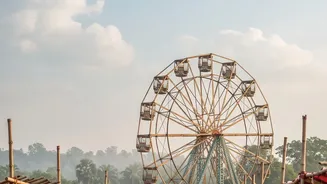
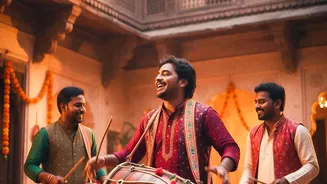
As the livestock trading winds down, the cultural festivities take centre stage from around November 21. This is when Rajasthan Tourism's official programme kicks into high gear, transforming the fairgrounds into a carnival. Crowd-favourite events include the longest moustache competition, turban-tying contests (often with friendly participation from foreign visitors), and traditional sports like 'matka phod' (pot breaking). The stadium hosts camel races, horse dances, and even a 'Lagaan'-style cricket match between locals and tourists. Evenings are filled with the sounds of Rajasthani folk music, with performances by Kalbelia dancers and Langa musicians filling the air.
The Spiritual Climax on Kartik Purnima
The fair's final days are defined by its deep spiritual significance. The event is timed to end on Kartik Purnima, a full moon considered one of the most sacred days in the Hindu calendar. Thousands of pilgrims flock to Pushkar to take a holy dip in the sacred Pushkar Lake, a ritual believed to cleanse sins and bring salvation. The 52 bathing ghats surrounding the lake become a hub of devotion. On the evening of November 23, the 'Maha Aarti' ceremony creates a mesmerising spectacle, with hundreds of flickering oil lamps lighting up the ghats and reflecting in the water, accompanied by chants and prayers. This spiritual dimension offers a profound contrast to the commercial chaos of the animal trading.
Modern Additions to an Ancient Fair
While steeped in tradition, the Pushkar Mela has evolved over the years. One of the most popular recent additions is the hot air balloon festival. At sunrise, weather permitting, dozens of balloons take flight, offering breathtaking aerial views of the sprawling fairgrounds, the sea of camels, and the surrounding Aravalli hills. Another feature is the Shilpgram, a handicrafts bazaar where families can shop for Rajasthani textiles, leather goods, and silver jewellery. These modern touches have broadened the fair's appeal, adding new layers of experience for the more than 200,000 visitors who attend annually.