

In the modern Indian kitchen, the debate between traditional staples and new-age superfoods is constant. At the centre of this discussion are two titans: humble lentils (dal) and trendy quinoa. But this isn't a battle for one to win.
The Protein Power Play
Protein is where the
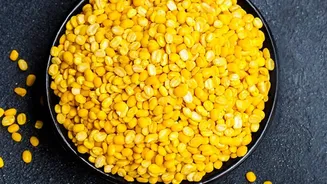
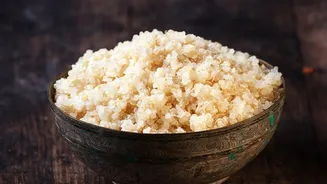
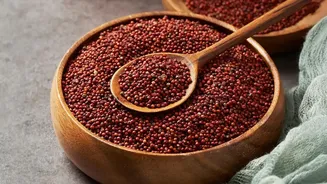
most significant difference lies. Quinoa is famous for being a 'complete protein', meaning it contains all nine essential amino acids our bodies can't make on their own. This is rare for a plant-based food and makes it an excellent all-in-one protein source. Lentils, on the other hand, are protein powerhouses in terms of quantity. A cooked cup of lentils packs almost double the protein of a cooked cup of quinoa. However, lentils are an 'incomplete protein', lacking certain amino acids. This is why Indian food traditions are so brilliant; pairing lentils with rice or roti creates a complete protein profile, perfectly balancing the amino acids.
Fibre and Feeling Full
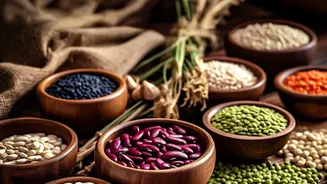
If feeling full and aiding digestion is your priority, lentils are the undisputed champion. Lentils contain significantly more dietary fibre than quinoa, with some estimates suggesting they have nearly three times the amount per serving. This high fibre content is excellent for gut health, helps manage blood sugar levels, and keeps you feeling satisfied for longer, which can aid in weight management. Quinoa still offers a good amount of fibre, but it can't compete with the sheer volume found in lentils.
Vitamins, Minerals, and Glycemic Index
Both foods are rich in essential micronutrients, but they shine in different areas. Lentils are exceptionally high in folate and iron, making them particularly beneficial. One cup of cooked lentils provides a substantial portion of your daily folate needs. Quinoa scores higher in minerals like magnesium, manganese, and phosphorus. When it comes to blood sugar, both are good choices with a low glycemic index (GI), meaning they don't cause sharp spikes. However, lentils generally have a lower GI than quinoa, making them a slightly better option for strict blood sugar control.
In the Indian Kitchen: Cost and Culinary Use
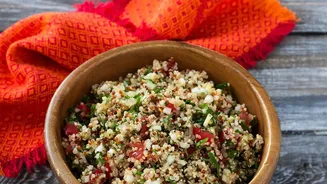
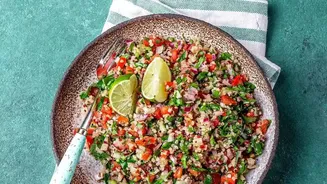
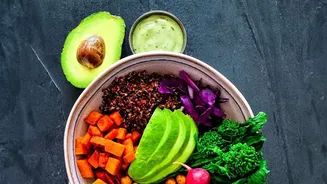
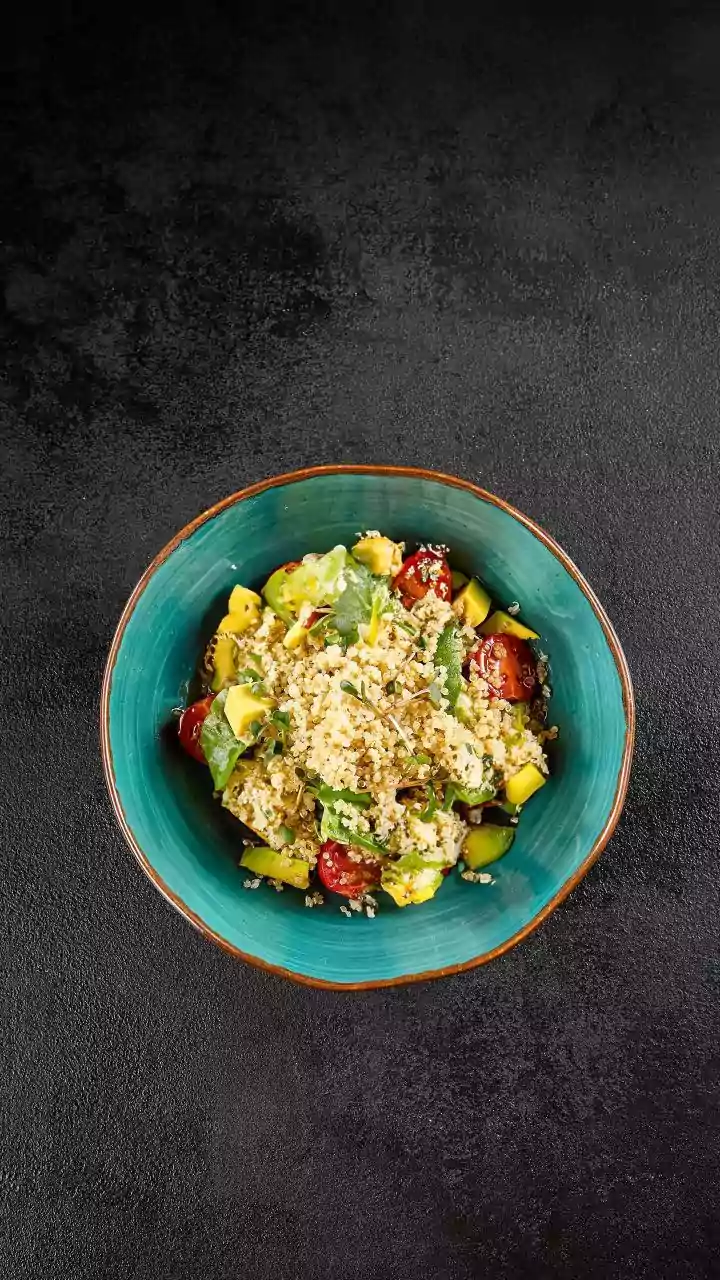
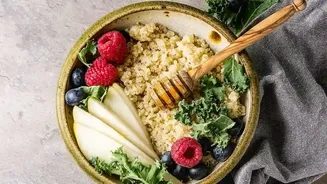
This is where practicality comes in. Lentils are a cornerstone of Indian cuisine, forming the base for countless dals, sambars, and khichdis. They are affordable, widely available, and culturally familiar. Quinoa, while increasingly popular, is more expensive and often seen as a premium health food. Its culinary use is different, too. With its fluffy texture and mild, nutty taste, quinoa works beautifully as a substitute for rice in pulao, as a base for salads, or even in tikkis. It's incredibly versatile, but it serves a different purpose than the creamy, hearty texture of dal. Many recipes now even combine the two, like in a quinoa and lentil soup, to get the best of both worlds.