
Beyond the City: A New Work-Life Blueprint
The era of being chained to a desk in a high-rise is fading. For many young professionals, the flexibility of remote work has unlocked a desire for a better quality of life—one that isn't measured in climbing the corporate ladder but in achieving a sustainable
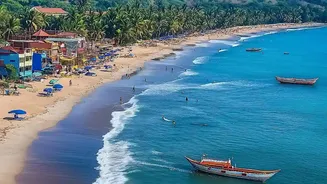
balance. This mindset shift is driving an exodus from the concrete jungles of Bengaluru, Mumbai, and Delhi towards destinations that offer both connectivity and calm. Varkala in Kerala and Gokarna in Karnataka have emerged as the frontrunners in this movement, offering a compelling blend of scenic beauty, modern amenities, and a slower pace of life that city living simply cannot match.
Varkala: Cliffside Cafes and Connected Calm
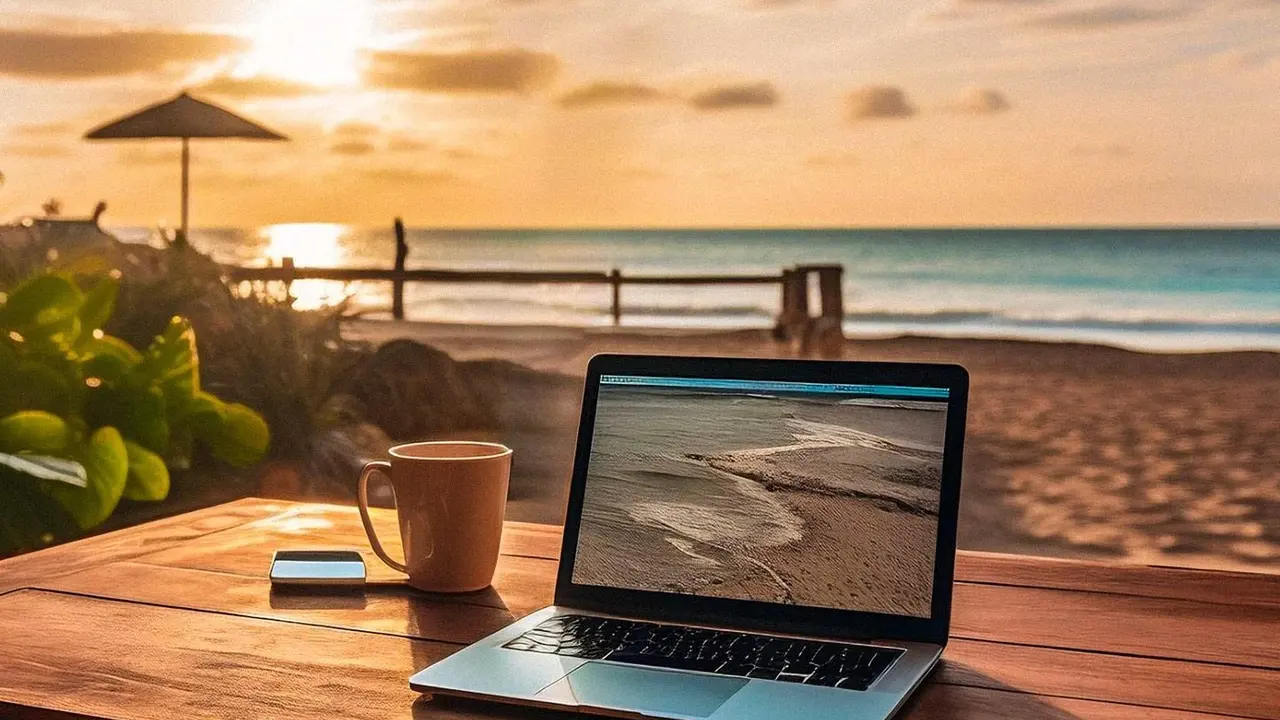
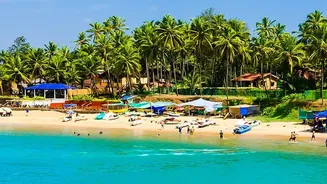
Varkala’s main draw is its dramatic red laterite cliff, perched high above the Arabian Sea. This unique geography has given rise to a vibrant strip of cafes, restaurants, and guesthouses offering breathtaking ocean views. For a remote worker, this translates to an office with an unparalleled backdrop. Imagine taking a client call from a cafe terrace as the sun sets over the water. But it's not just about the view. Varkala has matured into a hub for digital nomads, with many establishments offering reliable, high-speed Wi-Fi, power backup, and dedicated workspaces. The town’s proximity to Thiruvananthapuram also makes it easily accessible, while its established wellness scene, full of yoga and Ayurveda retreats, provides the perfect antidote to a stressful workday.
Gokarna: Rustic Charm and Deep Focus
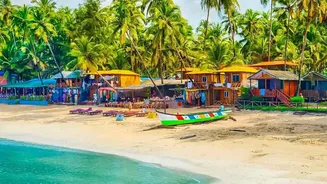
If Varkala is about organised calm, Gokarna offers a more rustic, laid-back alternative. Traditionally a Hindu pilgrimage town, its soul lies in its pristine, relatively untouched beaches like Kudle and Om, which are often connected by scenic trekking paths rather than roads. For professionals seeking deep focus and fewer distractions, Gokarna is ideal. The vibe is less commercial and more communal. Here, the workday might end with a drum circle on the beach or a quiet walk through the town's temple-lined streets. While its internet infrastructure was once a concern, it has improved significantly, with many hostels and homestays now catering specifically to remote workers with reliable connections. It’s the perfect place to disconnect from the noise while staying connected to your work.
The All-Important Digital Nomad Checklist
The romantic idea of working from the beach quickly fades if the Wi-Fi is patchy. Both Varkala and Gokarna have recognized this, leading to a rise in accommodations and cafes that explicitly cater to the digital nomad. Hostels now advertise Wi-Fi speeds and power backup, while an entire ecosystem of 'work-friendly' cafes has emerged. In Varkala, spots like Café Sarwaa and AUM Cafe are known for their strong internet and plug points at every table. In Gokarna, Zostel and other community-led stays provide co-working pavilions with dedicated workbenches and fiber internet connections, ensuring that productivity doesn't suffer. Mobile connectivity from major providers like Jio and Airtel is also generally reliable, offering a solid backup.
Affordability and The Pull of Community
Perhaps the most significant factor is the economics. The cost of living in Varkala and Gokarna for a month is often a fraction of the rent and expenses in a major metropolitan city. A young professional can rent a comfortable room, eat well, and enjoy a vibrant social life for significantly less. This financial freedom reduces burnout and allows for a more sustainable work-life integration. Furthermore, these towns are no longer just for solo backpackers. They now host thriving communities of remote workers, freelancers, and startup founders. This creates invaluable networking opportunities and a sense of belonging, combating the isolation that can sometimes accompany remote work.