


Choose Your Destination Wisely
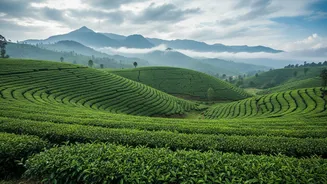
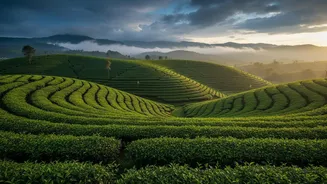
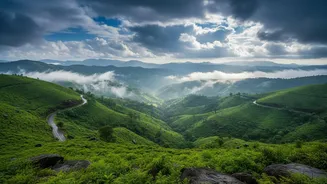
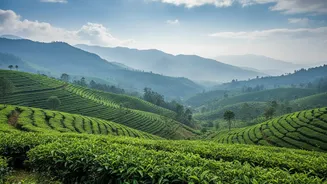
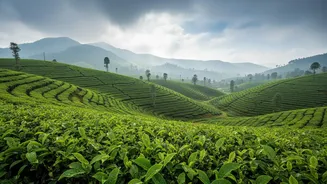
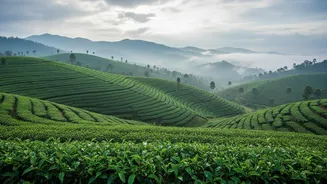
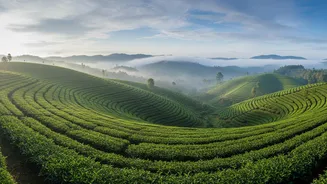
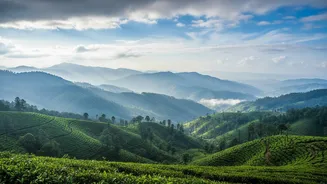
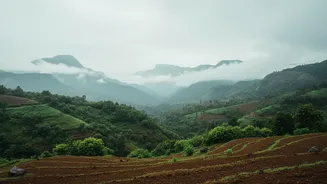
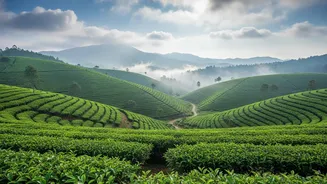
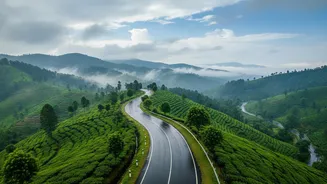
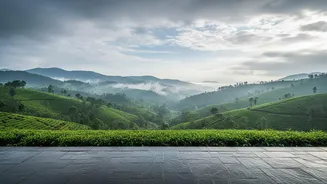
Not all destinations are created equal during the monsoon. While places like Kerala, Coorg, and Munnar come alive with vibrant greenery and gushing waterfalls, other regions can be prone to flooding and landslides. Research your intended location thoroughly,
focusing on accessibility and safety during the specific monsoon months you plan to visit. Some areas, like Rajasthan or Ladakh, receive significantly less rainfall and can be excellent alternatives. Consider destinations with a good mix of indoor and outdoor attractions, such as museums, galleries, and cafes, so a full day of rain doesn't derail your plans. Also, booking accommodation in a central, accessible location can save you from navigating waterlogged streets or dealing with transport issues.
Pack Smart, Not Just More
When it comes to packing, think lightweight, waterproof, and quick-drying. Swap heavy fabrics like denim and cotton for synthetic materials that won't become heavy and uncomfortable when wet. A reliable, lightweight raincoat and a sturdy, wind-resistant umbrella are non-negotiable. Your footwear choice is critical; opt for waterproof sandals or floaters with a good grip to navigate slippery surfaces. Avoid sneakers or canvas shoes that take forever to dry. To protect your valuables, use waterproof pouches or resealable plastic bags for your phone, passport, wallet, and chargers. A waterproof cover for your main backpack is also a wise investment to keep your clothes and other belongings dry.
Prioritise Health and Hygiene
The rainy season can increase the risk of water-borne and mosquito-borne illnesses. Mosquitoes are at their peak, so a strong insect repellent is essential. Wear long-sleeved shirts and trousers, especially during dawn and dusk, to minimise bites. Be cautious about food and water. Avoid street food that has been left in the open and drink only bottled or boiled water to prevent stomach infections. It’s also crucial to pack a basic first-aid kit containing essentials like antiseptic wipes, band-aids, and any personal medications you need, as finding a pharmacy can be difficult in an emergency, especially in remote areas. If you get drenched, change out of wet clothes as soon as possible to prevent fungal infections.
Plan for Delays and Disruptions
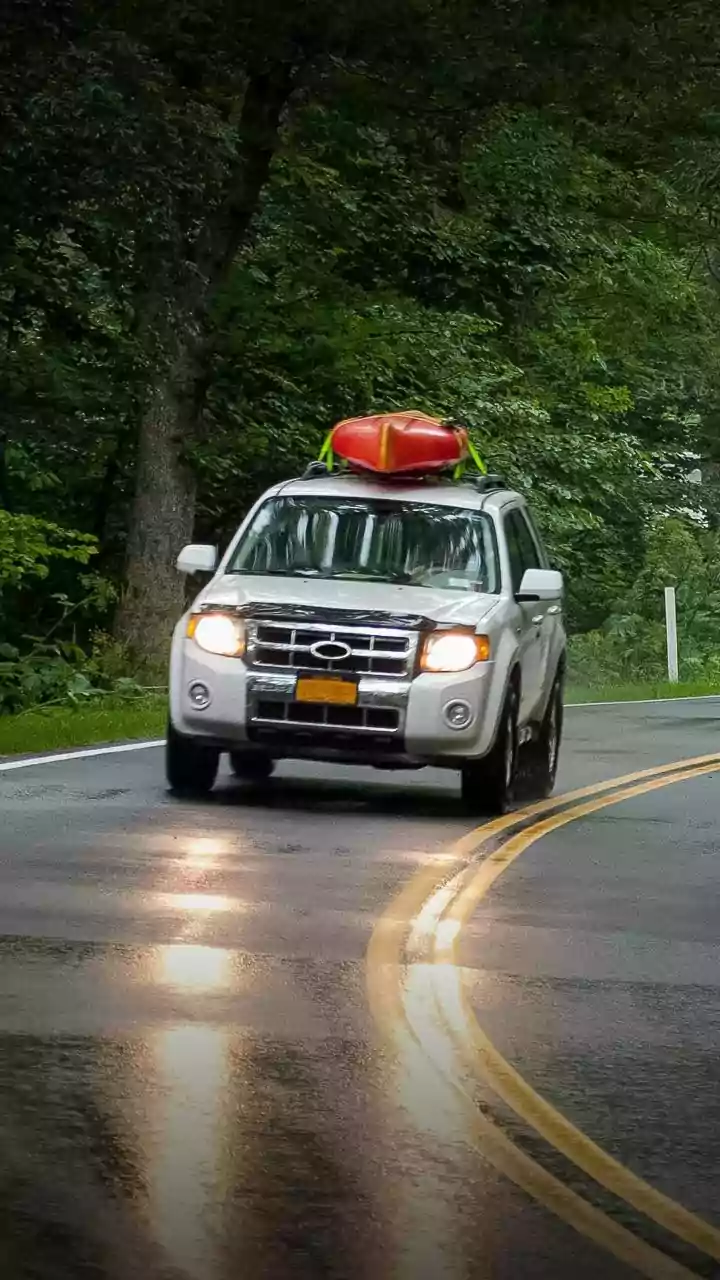
Weather is a leading cause of travel delays, and the monsoon season is no exception. Heavy rains can lead to slippery roads, traffic jams, waterlogging, and even flight or train cancellations. The key is to build flexibility into your itinerary. Add buffer days to your schedule, especially if you have connecting flights or trains. It's often safer to travel during the day when visibility is better. Before booking, look into travel insurance that covers trip cancellations and delays due to severe weather. Make sure you purchase it before any weather warnings are issued for your destination, as it won't be covered otherwise.
Embrace the Slower Pace
A rainy-season holiday offers a different kind of experience. The crowds are thinner, allowing for a more peaceful visit to popular landmarks. Accommodation and flight prices are often lower, making it a budget-friendly time to travel. Instead of rushing from one sight to another, the weather might encourage you to slow down. Enjoy the lush landscapes, find a cozy cafe to read a book, or indulge in indoor cultural activities. Many resorts, particularly in Kerala, consider the monsoon the best time for Ayurvedic treatments. By embracing the rain and the unhurried pace it brings, you can discover a unique and rejuvenating side of travel that you might otherwise miss.