





The Annual Digital Stampede
On August 1, 2026, when advance bookings opened for the popular October to December tourist season, the system saw an unprecedented flood of traffic. Within just two hours, nearly 40,000 people registered for a safari, a testament to Ranthambore's immense
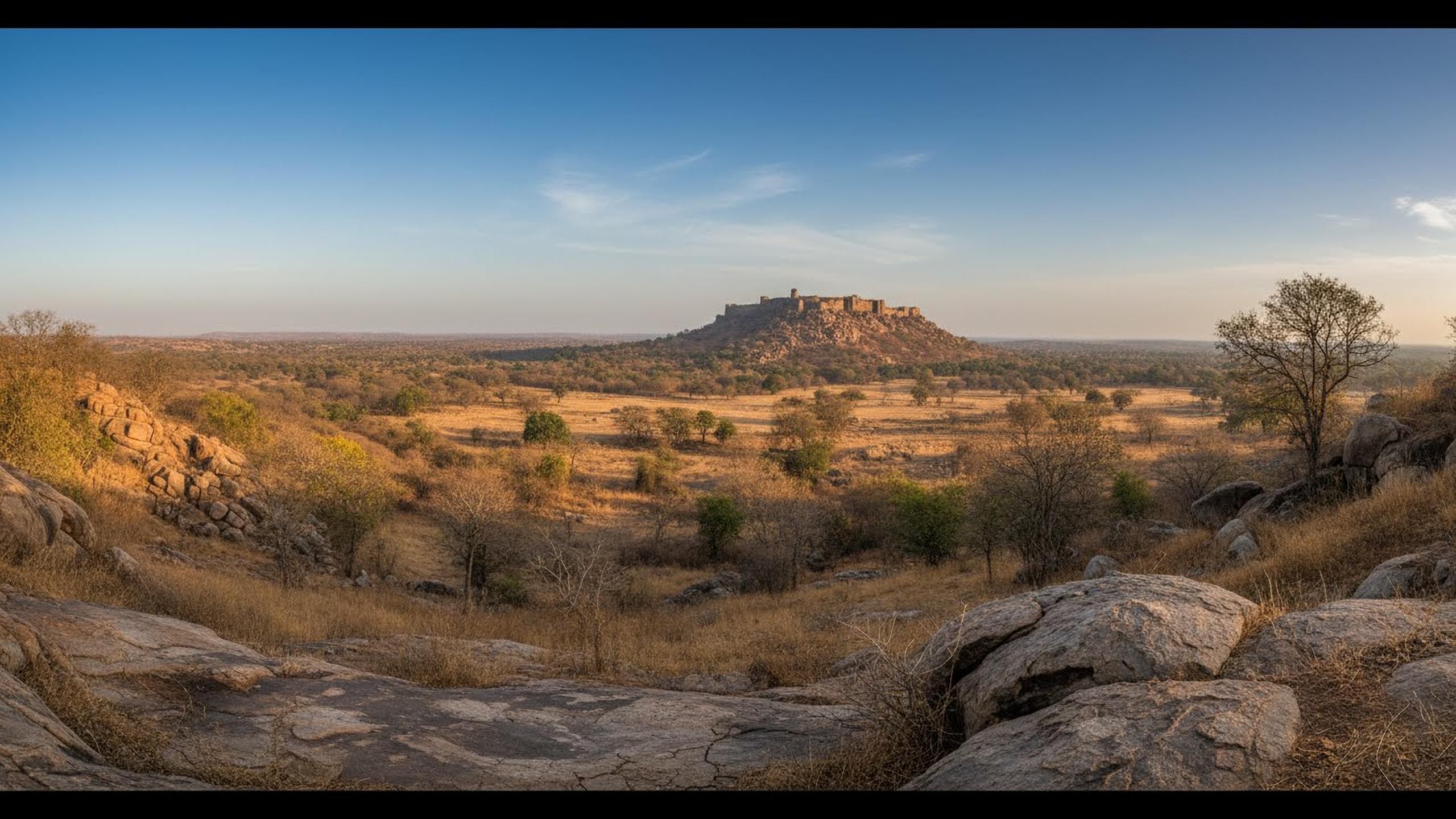
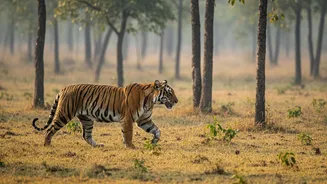
popularity. This massive surge, which included around 14,000 registrations from international tourists, highlights the fierce competition for a limited number of seats and why planning is more critical than ever. The park remains one of India's most celebrated tiger reserves, where the dry, open landscape offers a higher probability of sightings compared to denser forests.
Official Portal: Success Story or User Struggle?
According to the Ranthambore administration, the newly upgraded booking portal was a resounding success. Officials reported that the system handled the intense traffic smoothly and successfully blocked millions of suspicious cyber-attack attempts and fake requests from bots. They noted that even after the initial two-hour rush, seats remained available, making the process more transparent and user-friendly. However, the on-the-ground experience for some users painted a more complicated picture. Potential visitors reported significant usability issues during the high-pressure booking window. Frustrations included disabled copy-paste functions for entering lengthy ID numbers, a requirement for JPEG-only ID uploads without clear on-screen instructions, and the need to solve a new math CAPTCHA at every step, adding friction to an already frantic race against time.
Decoding Your Safari Options
Before you even attempt to book, you need to make two key decisions. The first is your vehicle. The park offers two types: the 6-seater open jeep (Gypsy) and the 20-seater open-top bus (Canter). Gypsies are smaller, more nimble, and preferred by photographers and small families for a more intimate experience. Canters are a more budget-friendly option suitable for larger groups. The second decision is the zone. The park is divided into 10 zones. Zones 1 through 5 are considered the 'core' area and are in the highest demand due to a reputation for frequent tiger sightings. Zones 6 through 10 are buffer areas that can also offer excellent wildlife viewing but are often easier to book.
A Practical Game Plan for Booking
Success in booking a Ranthambore safari often comes down to preparation. The booking window typically opens 90 days in advance, and you must be ready the moment it does. First, ensure you are on the correct government website, which is operated by the Rajasthan Forest Department. Before the booking time arrives, gather all necessary information for every person in your group: full name, age, gender, and a valid photo ID number (like an Aadhaar or passport). Crucially, have a scanned copy of each ID saved as a JPEG file under 2MB, as this specific format has been a stumbling block for unprepared users. When booking opens, act fast. If your preferred zone and vehicle are sold out, be flexible. Trying for a Canter instead of a Gypsy, or selecting a buffer zone, can significantly increase your chances of securing a permit.
What If You Can't Get a Booking?
If you miss out during the advance booking rush, don't lose hope entirely. A limited number of permits are often released under a 'Tatkal' (last-minute) quota, typically a few days before the safari date, which includes new slots and cancellations. These also disappear quickly but are worth trying for. Another common, albeit more expensive, strategy is to book through your hotel or a reputable local travel agent. These operators are well-versed in the system and sometimes hold their own quotas, but you can expect to pay a significant premium for the convenience. While booking directly on the official portal is the most cost-effective method, these alternatives provide a fallback for those determined to visit.