





The Foundation: DGCA's Passenger Charter
Every air traveller in India is protected by a set of rules laid out by the Directorate General of Civil Aviation (DGCA). These regulations, specifically the Civil Aviation Requirement (CAR) Section 3, Series M, Part IV, form the basis of the Passenger
Charter. This charter is not just a guideline; it is a legally binding obligation on all airlines operating to, from, and within India, regardless of their nationality. It details what airlines must do in cases of flight delays, cancellations, and denied boarding due to overbooking. The key takeaway is that assistance and compensation are not matters of airline goodwill but are your enforceable rights.
Delays: When Does the Clock Start?
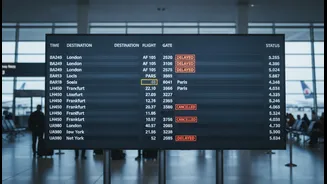
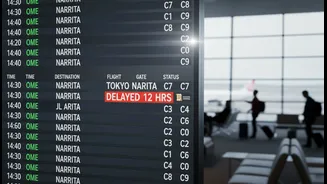
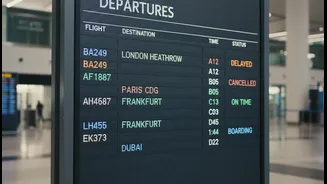
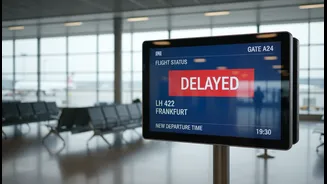
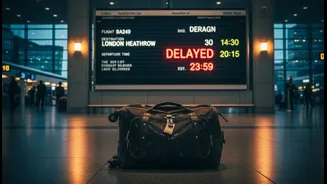
For flight delays, compensation is not about cash but about care, and it is entirely dependent on the length of the delay. Airlines must provide meals and refreshments for delays of two hours or more. If a delay extends beyond six hours, passengers are entitled to choose between a rescheduled flight or a full refund. For overnight delays, typically defined as those stretching more than six or eight hours and requiring a long wait, airlines are obligated to provide hotel accommodation and transfers. However, there is a crucial point: these rules generally apply to disruptions within the airline's control. While care obligations like meals may still apply, cash compensation for cancellations or denied boarding is often waived for 'extraordinary circumstances'.
Cancellations: The Critical 24-Hour Window
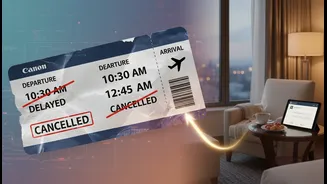
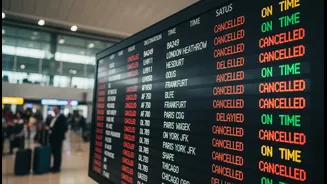
Your rights in case of a flight cancellation hinge on when the airline informs you. If the airline cancels a flight with less than two weeks' notice and fails to arrange an alternate flight, you are entitled to a full refund and may be eligible for compensation. The rules become much stronger if the cancellation notice is given less than 24 hours before departure. In this scenario, besides getting an alternate flight or a full refund, you are also entitled to financial compensation. This compensation can range from ₹5,000 to ₹10,000 depending on the flight's block time. If you have already reached the airport when the cancellation happens, the airline must also provide meals and refreshments while you wait.
The 'Extraordinary Circumstances' Escape Clause
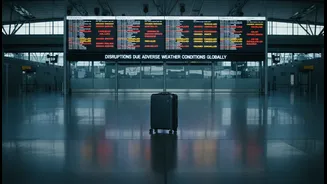
This is the most important condition for travellers to understand. Airlines are not obligated to pay financial compensation if the disruption is caused by circumstances beyond their control. These events, often termed 'force majeure', include bad weather, air traffic control restrictions, security risks, and political instability. It is vital to note that even in these situations, your right to a full refund or an alternate flight remains intact if the flight is cancelled. Furthermore, the airline’s ‘duty of care,’ which includes providing meals and hotel stays for stranded passengers, often still applies regardless of the reason for the delay.
Denied Boarding: When Overbooking Hits Home
Airlines are legally permitted to overbook flights, but if you are involuntarily denied boarding on a flight for which you have a confirmed ticket and checked in on time, you are entitled to significant compensation. Airlines must first ask for volunteers to give up their seats in exchange for benefits. If no one volunteers, bumped passengers are owed compensation of up to 400% of their one-way base fare plus fuel charge, capped at a maximum of ₹20,000. This is in addition to being offered an alternate flight or a full refund.
How to Claim Your Dues
Knowledge is useless without action. If you face a disruption, first approach the airline's staff at the airport or their customer service. Politely but firmly state your rights based on the situation. If your claim is denied or you receive an unsatisfactory response, document everything—keep your boarding pass, tickets, receipts for expenses, and records of all communication. You can then escalate the matter by filing a formal grievance on the government's AirSewa portal (airsewa.gov.in), a dedicated platform for passenger complaints.