

The latest social media skincare hack has landed: DIY retinol ice cubes. Proponents claim they combine the anti-aging power of retinol with the de-puffing magic of cold therapy. But is this viral trend a brilliant innovation or a recipe for disaster?
The Trend: A Frosty Facial Fix
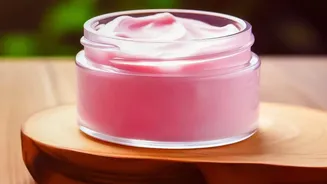
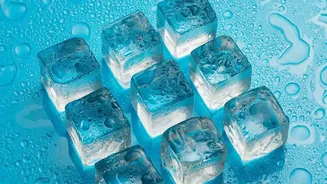
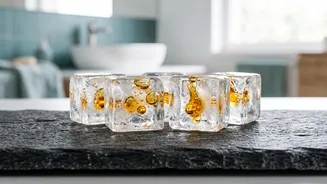
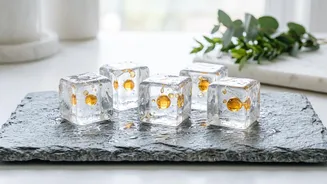
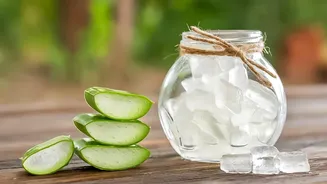
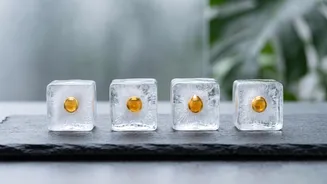
Scroll through beauty-focused social media feeds and you might see videos of people rubbing frozen cubes on their faces. This practice, often called 'skin icing' or a 'cryo facial at home', has been popular for a while. The cold temperature is said to constrict blood vessels, which can temporarily reduce puffiness and inflammation, giving skin a tighter, brighter appearance. The latest twist on this trend involves freezing homemade concoctions, most notably 'retinol ice cubes'. The idea is to merge the proven benefits of retinol—a powerhouse vitamin A derivative known for boosting cell turnover and collagen production—with the soothing, de-puffing effects of ice. Recipes often involve blending ingredients like cucumber, aloe vera, and potato juice (which contain natural forms of Vitamin A) or, more concerningly, adding drops of a commercial retinol serum into water before freezing.
The Problem with Potency
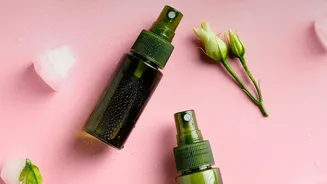
The first major issue with this DIY hack is the nature of retinol itself. Retinol is a notoriously unstable molecule. Cosmetic chemists go to great lengths to protect it from its three biggest enemies: air, light, and heat. This is why you'll often find retinol products in opaque, airless pump packaging. Exposure to these elements causes retinol to degrade, rendering it less effective and potentially more irritating. While freezing might seem like a good way to preserve something, it can be detrimental to a complex skincare formula. Some sources suggest that freezing can irreversibly destroy the potency of retinoids. While pure retinol in a lab setting can be stable when frozen at extremely low temperatures (think -20°C to -80°C), a typical home freezer and a DIY water-based mixture don't offer the same controlled environment. The freeze-thaw cycle, along with the other ingredients you might mix in, can destabilize the formula, meaning you might be applying a less potent, or completely inactive, product to your face.
The Dangers of DIY Formulations
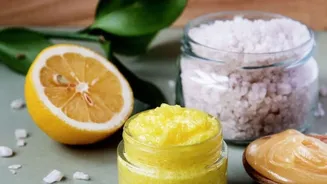
Beyond the question of potency, creating skincare at home is a risky business. Professionally formulated products are made in sterile environments and contain precise preservative systems to prevent the growth of bacteria, mould, and fungi. Your kitchen is not a sterile lab, and your DIY mixture, especially if it contains water-based ingredients like aloe or fruit juices, can become a breeding ground for microbes. Rubbing bacteria-laden ice on your face is a shortcut to breakouts and skin infections. Furthermore, homemade recipes lack the sophisticated chemistry needed for a safe and effective product. Dermatologists warn that common DIY ingredients like citrus juices can alter the skin's pH, causing irritation, burns, and increased sun sensitivity. Without understanding how ingredients interact, you risk creating a mixture that does more harm than good.
Safer Alternatives Recommended by Experts
So, should you give up on the benefits of icing and retinol? Not at all—you just need to separate the two. Most dermatologists agree that skin icing can be beneficial if done correctly. Use ice cubes made from plain filtered water or brewed green tea (known for its antioxidant properties). Always wrap the ice cube in a soft cloth to protect your skin from ice burn or frostbite, and keep it moving in gentle, circular motions for no more than a few minutes. As for retinol, stick to professionally formulated products from trusted brands. These have been subjected to rigorous stability testing to ensure the retinol remains effective from the first drop to the last. They are created by cosmetic chemists who understand how to buffer the ingredient to make it effective without being overly irritating. Store your retinol product in a cool, dark place like a cabinet—not your humid bathroom counter and definitely not your freezer. This will protect the delicate formula and ensure you get the results you're paying for.