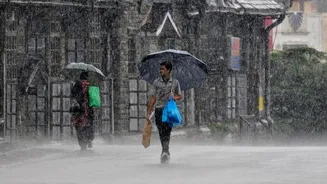







Which Regions Are on High Alert?
The IMD's latest bulletins highlight a particularly active monsoon spell. A depression over the Bay of Bengal is expected to bring intense rainfall to Eastern and Central India. Odisha is under the highest level of concern, with forecasts for extremely
heavy rainfall. Red and orange alerts have also been issued for parts of Maharashtra, especially the Vidarbha region, including Nagpur, Chandrapur, and Gadchiroli, which are bracing for very heavy downpours. In North India, Uttarakhand is under an 'Orange Alert' due to predictions of heavy rain, leading authorities to suspend the Char Dham Yatra as a precaution. Similarly, parts of Assam, Meghalaya, Gujarat, and Madhya Pradesh are also expected to see significant rainfall, increasing the risk of flooding and travel chaos.
Impact on Air Travel
Heavy rain and thunderstorms are notorious for causing flight disruptions. Major airports, including those in Delhi and Mumbai, have already experienced the effects of adverse weather this season, with numerous delays, diversions, and cancellations. Airlines like IndiGo, Akasa Air, and Air India have issued advisories, urging passengers to check their flight status before heading to the airport. Poor visibility, strong winds, and waterlogging on runways can force temporary airport shutdowns, leading to a domino effect of delays across the national network. If you have a flight scheduled, it is crucial to stay updated via the airline’s app or website and allow for extra travel time to the airport, as waterlogged roads can cause significant traffic congestion.
Navigating Treacherous Roads
Road travel during the monsoon requires extreme caution. The IMD has warned that heavy downpours could lead to waterlogging in low-lying urban areas, reduced visibility, and damage to vulnerable roads. In hilly regions like Uttarakhand and Himachal Pradesh, the risk is even greater, with frequent landslides and rockfalls blocking major highways and pilgrimage routes. The Yamunotri and Gangotri National Highways have faced repeated disruptions. Even on plains and expressways, heavy rain has led to severe waterlogging and traffic jams in cities like Delhi, Mumbai, and Surat, rendering arterial roads dysfunctional. Before starting a road trip, it is essential to check the real-time status of your route and avoid travelling at night in hilly areas.
Your Safety Checklist Before You Go
If travel is unavoidable, preparation is key to staying safe. First, check the latest district-level IMD alerts for your destination and the entire route, not just a general state forecast. Inform your family or friends about your itinerary and keep them updated. Pack a travel kit with essentials like a first-aid box, necessary medications, a powerful torch, a fully charged power bank, and some dry food and water. Ensure your vehicle is in good condition, with functional wipers, headlights, and well-treaded tyres. It is also wise to have flexible bookings for hotels that allow for last-minute cancellations or changes. Most importantly, never attempt to drive through heavily waterlogged streets or cross overflowing streams and bridges; water levels can rise with dangerous speed.
When to Postpone Your Trip
While the monsoon can make landscapes beautiful, safety must always come first. Authorities strongly advise against non-essential travel into areas under red or orange alerts. The situation on the ground can change rapidly; a clear road in the morning can become impassable by afternoon. If your weekend plan involves trekking, riverside camping, or visiting remote hill stations, this is a particularly risky time. The suspension of the Char Dham Yatra in Uttarakhand serves as a serious reminder of the potential dangers. If your travel plans are flexible, consider rescheduling for a safer time. A delayed holiday is always better than a journey that puts you and your loved ones at risk. Stay informed, be patient, and prioritize safety over adventure.