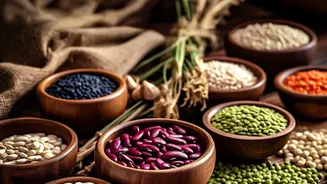


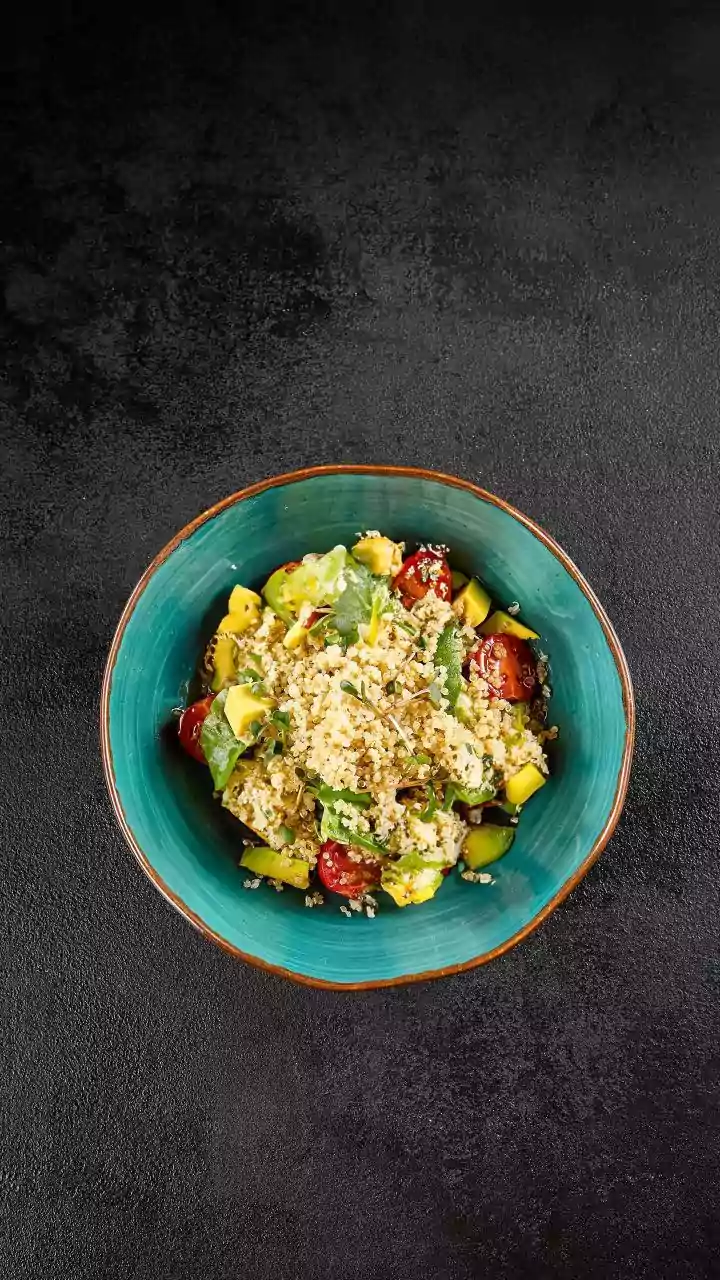
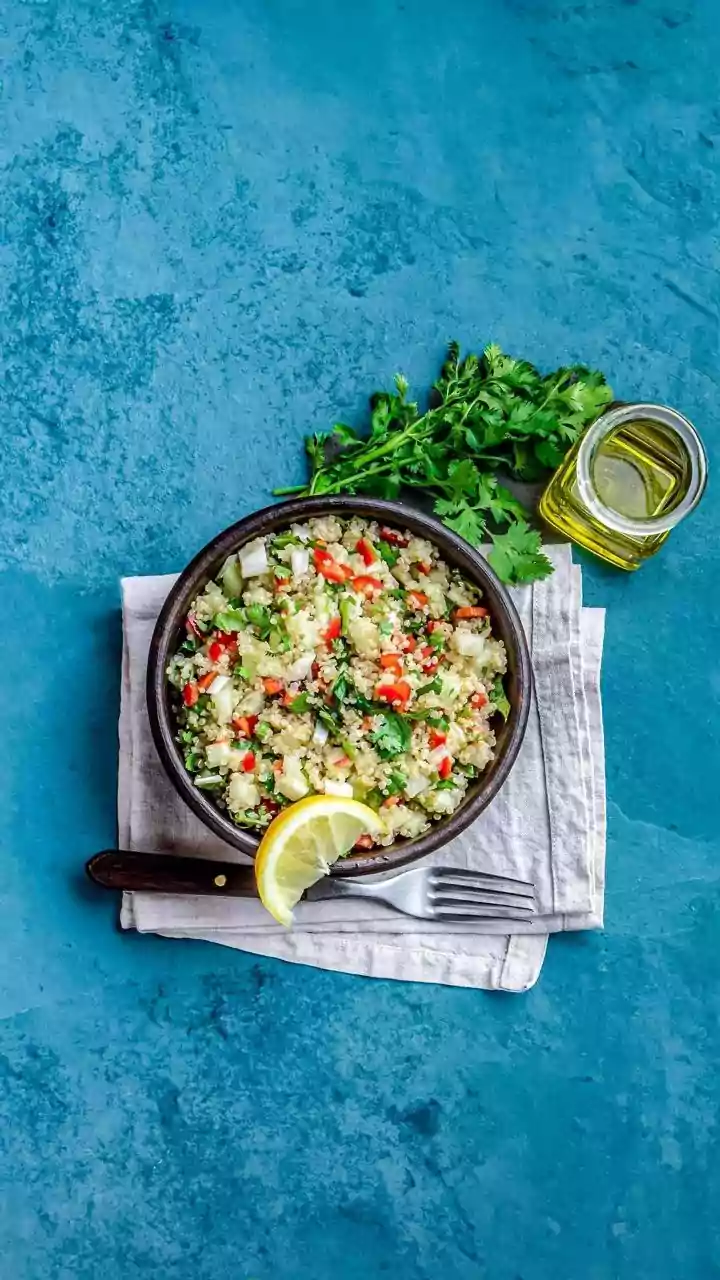

In the world of healthy eating, quinoa and lentils are pantry superstars. Both are praised for their nutritional benefits, but how do they really stack up against each other? We break down their profiles to see which one wins in this superfood showdown.
The Protein and Fibre Face-Off
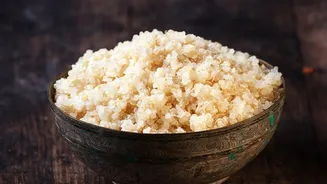
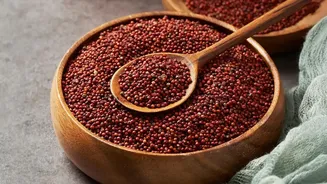
When it comes to the building blocks of a healthy meal, protein and fibre are king. On this front, lentils take a commanding lead. A 100-gram serving of cooked lentils packs about 9 grams of protein, more than double the 4.4 grams found in cooked quinoa. Lentils also dominate in dietary fibre, offering a hefty 7.9 grams compared to quinoa’s 2.8 grams. This high fibre content makes lentils excellent for digestive health and promoting a feeling of fullness. However, quinoa has a unique advantage: it's a 'complete protein'. This means it contains all nine essential amino acids our bodies can't produce on their own, a rare trait for a plant-based food. Lentils are an 'incomplete protein', so they are best paired with a whole grain like rice to provide a full amino acid profile.
The Micronutrient Deep Dive: Iron vs. Magnesium
This is where the battle gets interesting. If your goal is to boost iron intake, lentils are the clear winner. A 100g serving of cooked lentils contains around 3.3 mg of iron, more than twice the 1.5 mg in the same amount of quinoa. This makes lentils a fantastic choice for those on plant-based diets who need to be mindful of their iron levels. However, it's important to remember this is non-heme iron, which is less easily absorbed than the heme iron from animal products. On the other hand, quinoa shines when it comes to magnesium. Cooked quinoa provides roughly 64 mg of magnesium per 100g, significantly more than the 36 mg in lentils. Magnesium is vital for muscle function, nerve health, and blood sugar control, making quinoa a great option if that mineral is your focus.
A Closer Look at Other Key Vitamins
Beyond the headline minerals, both foods offer a host of other essential vitamins. Lentils are a powerhouse of folate, with a single cup providing a substantial portion of the recommended daily intake. They are also a good source of B vitamins like B1 and B6. Quinoa holds its own with notable amounts of manganese, phosphorus, and copper. Some studies show quinoa coming out ahead in vitamin B2 (riboflavin) and vitamin E, while lentils are richer in folate and vitamin B1. Ultimately, both are nutrient-dense choices, but lentils often have a slight edge in the overall vitamin and mineral department, particularly with folate and iron.
Glycemic Index and Blood Sugar Impact
For individuals managing blood sugar levels, the glycemic index (GI) is a crucial factor. Both quinoa and lentils are considered low-GI foods, meaning they cause a slower, more gradual rise in blood sugar. However, lentils have a distinct advantage here. While cooked quinoa has a GI of around 50-53, lentils score much lower, typically around 32-37. This makes lentils a particularly smart choice for maintaining stable energy levels and for those with insulin resistance or diabetes. A meal combining both, such as a fermented quinoa and lentil cake, can have a GI of around 45, making it a balanced, low-GI option.
Versatility in the Indian Kitchen
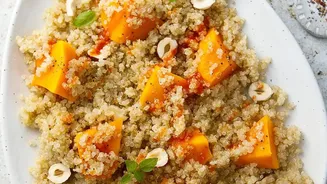
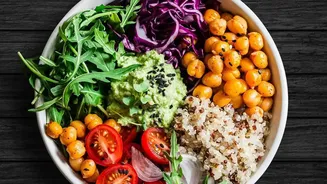
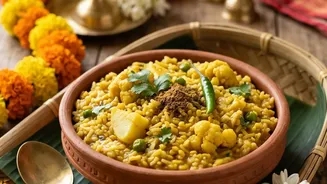
In India, lentils (dal) are a culinary cornerstone, forming the base of countless curries, soups, and stews. Quinoa, though a newer entrant, has proven incredibly versatile. Its neutral, nutty flavour allows it to be used as a substitute for rice in dishes like pulao and biryani, or even in traditional preparations like khichdi and sambar sadham. Its fluffy texture also makes it a great addition to salads and tikkis. While lentils are a staple in classic comfort foods, quinoa offers a gluten free high protein alternative that seamlessly adapts to a wide range of Indian flavours and cooking styles.