





The Force of Running
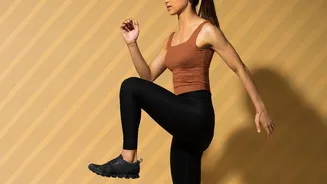
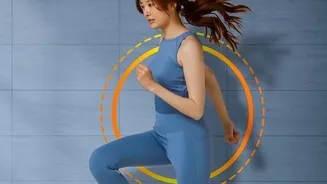
Running is a masterclass in efficiency. It is a linear, forward-motion activity that provides a phenomenal cardiovascular workout. However, this efficiency comes at a cost: high impact. With every stride, your body absorbs a force equivalent to several
times your body weight, primarily through the joints of the legs and hips. This repetitive pounding is why running is often associated with overuse injuries. While some studies suggest that running can strengthen bones and cartilage over time, poor form or ramping up mileage too quickly can lead to issues like runner's knee, shin splints, and stress fractures. The impact is direct and recurring, making proper footwear and running surfaces critical considerations for any aspiring runner.
The Varied Impact of Dancing
Dancing is far less predictable than running, and that is one of its greatest strengths. Instead of a single, repetitive motion, dance involves moving in multiple directions: side-to-side, rotational, and vertical. This variety means that impact forces are distributed more dynamically across the body. Some styles, like ballroom, are low-impact, focusing on smooth, controlled movements that are gentle on the joints. Others, such as hip-hop or high-energy contemporary dance, can involve significant jumping and be considered high-impact. However, even in these styles, the movement is rarely as repetitive as running, engaging a wider range of muscles to support and stabilize the joints.
A Tale of Two Injury Profiles
Both activities carry their own risk of injury, largely dictated by the nature of their movements. Running injuries are often chronic and related to overuse from repetitive stress on the lower body. Think Achilles tendinopathy, plantar fasciitis, and IT band syndrome. Dance injuries, on the other hand, can be more diverse. Overuse injuries like stress fractures and tendonitis are common, particularly in the feet and ankles, but so are acute injuries from complex movements. Ankle sprains are the most common traumatic injury in dancers, often resulting from improper landings or twists. Hip issues can also arise from the extreme ranges of motion required in styles like ballet.
Beyond the Joints: Holistic Benefits
The conversation shouldn't end at joint impact. Running is a powerful tool for building cardiovascular endurance. But dancing offers a more holistic set of benefits. It is a full-body workout that enhances coordination, balance, and spatial awareness—skills that running does not prioritize. Learning choreography also provides a significant cognitive challenge, which studies have linked to improved brain health and a reduced risk of dementia. Furthermore, the social and expressive nature of dance can offer mental health benefits that go beyond the 'runner's high', with some research showing it can reduce fatigue and improve emotional state.
Making the Right Choice for You
So, which should you choose? The best exercise is always the one you enjoy enough to do consistently. If you love the meditative rhythm of a long run, don't let the fear of joint impact stop you. Instead, focus on mitigating the risks. If the thought of running on a treadmill feels like a chore, but you love music and movement, dance could be your ideal workout. There is no need to be a purist; a hybrid approach can be highly effective. Incorporating dance can help a runner build stabilizer muscles and coordination, while a runner's endurance can be a huge asset in a high-energy dance class.
Protect Your Joints, No Matter What
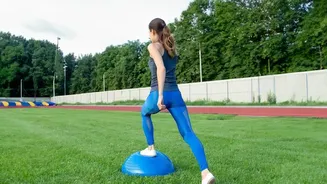
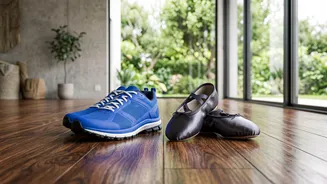
Whichever activity you lean towards, protecting your joints is paramount. For both running and dancing, a proper warm-up is non-negotiable to prepare muscles and joints for activity. Investing in the right footwear is also crucial; shoes designed for running provide forward-motion support, while dance sneakers are built for rotational and lateral movements. Strengthening the muscles that support your joints—especially the core, glutes, and legs—will take a significant load off the joints themselves. Finally, listen to your body. Pain that persists or worsens with activity is a sign you need to rest and possibly consult a professional.