






The Great Divide in Canine Lifespans
Anyone who has shared their life with dogs knows the unofficial rule: small dogs like Chihuahuas can live for 15 years or more, while many giant breeds are considered seniors by age six and may only live to be eight or ten. For a long time, the simple
explanation was that their rapid growth puts a greater 'wear and tear' on their bodies. While there's truth to that, scientists have been digging deeper, looking for a more precise answer written in their very DNA. Interestingly, across the animal kingdom, larger species like elephants and whales typically outlive smaller ones like mice. Dogs are a curious exception to this rule, which has made them a perfect model for scientists studying the complexities of aging.
A New Clue: Unruly 'Jumping Genes'
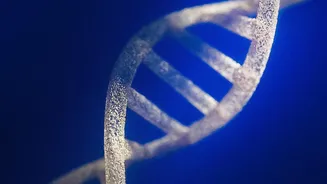
A recent large-scale study from the Dog Aging Project provides one of the clearest molecular explanations to date. The research, published in the journal 'Science', analysed the DNA of nearly 900 dogs and focused on epigenetics—the chemical marks on DNA that control which genes are turned on or off without changing the genetic code itself. Think of it as the software that tells the body’s genetic hardware what to do. The study found that as dogs age, the regulation of certain genes begins to break down. Specifically, they looked at 'transposable elements', often called 'jumping genes'. These are stretches of DNA that can copy themselves and move to new locations in the genome. Cells normally keep these jumpers under control with chemical tags known as methylation.
The Price of Rapid Growth
The study revealed that as dogs get older, they lose some of these crucial methylation tags, potentially allowing the jumping genes to become active and cause instability or damage to the DNA. This process is linked to inflammation and a higher risk of diseases like cancer, which are hallmarks of aging. The crucial discovery is that this breakdown happens much faster in larger dogs. According to the research, giant breeds lost about 35% more of these regulatory tags on a key family of jumping genes (called LINE1s) each year compared to small breeds. In essence, the 'live fast, die young' lifestyle of big dogs is not just a metaphor; it appears to be happening at a molecular level. Their accelerated growth from puppyhood seems to kickstart a faster rate of epigenetic aging.
An 'Epigenetic Clock' for Dogs
To track this, researchers developed an 'epigenetic clock' that measures a dog's biological age based on these DNA methylation patterns. They found that the clock ticks faster for bigger dogs. In fact, dogs whose epigenetic age was higher than their actual chronological age had a greater risk of mortality in the near future. This doesn't just explain why large dogs have shorter lives; it suggests they are genuinely aging more rapidly throughout their lives. The study also found some differences in how male and female dogs age, with distinct patterns appearing on the X chromosome, suggesting size and sex influence aging through slightly different pathways.
What This Means for Our Best Friends
For the average dog owner, this new research doesn't change the day-to-day advice on how to care for a large-breed dog: a high-quality diet, maintaining a healthy weight to reduce stress on joints and organs, and regular veterinary check-ups remain essential. However, it provides a profound new layer of understanding. It's not just that their bodies are bigger; their entire aging process is fundamentally accelerated. While scientists stress that this study shows a strong association rather than proving direct causation, it opens up new avenues for research. By understanding the specific molecular pathways of aging, future studies might explore interventions that could one day help slow this process down, not just for dogs, but potentially for humans as well.