






Understanding the Price Hike
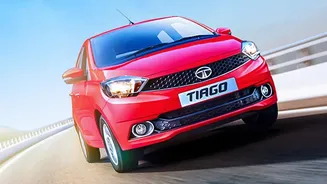
Before you adjust your budget, it’s helpful to know why prices are increasing. Several major car manufacturers, including Tata Motors and Hyundai, have confirmed price revisions starting September 1, 2026. The primary reasons cited are rising input and commodity
costs, such as steel and aluminum, along with higher operational expenses. Automakers state they are absorbing some of the pressure but have to pass a portion of the increased costs to customers. This isn't a flat increase across all models; the hikes are variable, with Tata announcing increases of up to ₹25,000 and Hyundai up to 1%, depending on the specific car and variant.
Redefine Your True Car Budget
A smart car-buying journey begins with a realistic budget that goes beyond the ex-showroom price. Financial experts often recommend the 20/4/10 rule: a 20% down payment, a loan tenure no longer than four years, and total monthly car expenses (EMI, fuel, insurance, maintenance) not exceeding 10% of your monthly income. Another simple guideline is to ensure the car's on-road price is not more than 50% of your annual salary. For instance, if you earn ₹12 lakh annually, your car budget should ideally be around ₹6 lakh. Remember to calculate the total cost of ownership, which includes insurance, registration fees, potential accessories, and future running costs, not just the sticker price.
Act Fast on Existing Inventory
A price hike is typically applicable to newly manufactured vehicles or those invoiced after a specific date. This creates a window of opportunity for savvy buyers. Contact dealerships now to inquire about their current inventory of the model you want. Vehicles that are already in stock or in transit may still be available at the pre-hike price. Acting before September 1st could save you from the revised pricing. However, be mindful that as the deadline approaches, inventory of popular models and colours may become limited, so it’s wise to move quickly if you have made a decision.
Consider the Pre-Owned Market
When new car prices climb, the used car market becomes an even more attractive alternative. You can often find a well-maintained, nearly new vehicle for a fraction of the price of a brand-new model. The festive season often sees a spike in demand for used cars as well, so prices can be firm, but the overall cost is still significantly lower. This route allows you to get a car from a higher segment or with more features than your new-car budget might permit. Ensure you get the vehicle thoroughly inspected and verify its service history before making a commitment.
Master the Art of Negotiation
Even with a fixed ex-showroom price, there are several areas where you can negotiate to lower your overall cost. While dealers may have less room to move on the vehicle's base price, especially for popular models, you can negotiate on other components. Ask for competitive quotes for car insurance, as the dealer's default option is often more expensive. You can also bargain on the cost of accessories, extended warranties, and handling charges. The festive season often comes with its own set of offers, like exchange bonuses or corporate discounts, which can be stacked to bring down the final on-road price.
Secure Smart Financing
Don’t automatically accept the first loan offer you receive from a dealership. It's crucial to get pre-approved for a car loan from your own bank or another financial institution before you start shopping. This gives you a clear understanding of the interest rate you qualify for and serves as a powerful negotiation tool. You can ask the dealership to beat the rate you have in hand. Comparing interest rates, processing fees, and loan tenures from multiple lenders can save you a substantial amount of money over the life of the loan. A shorter tenure, while resulting in a higher EMI, will reduce the total interest you pay.